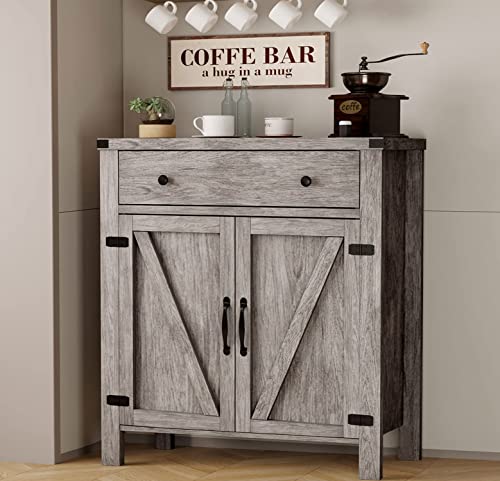
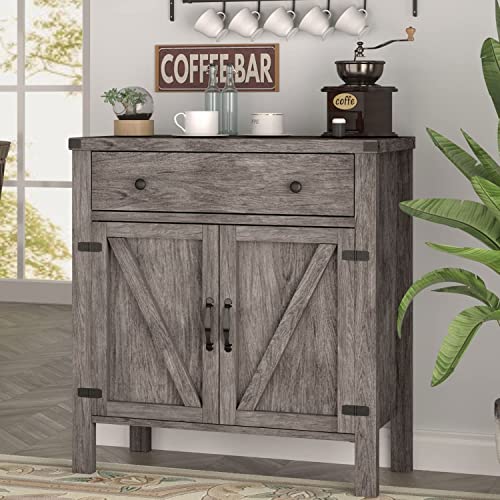
Prioritize Material Integrity and Surface Durability
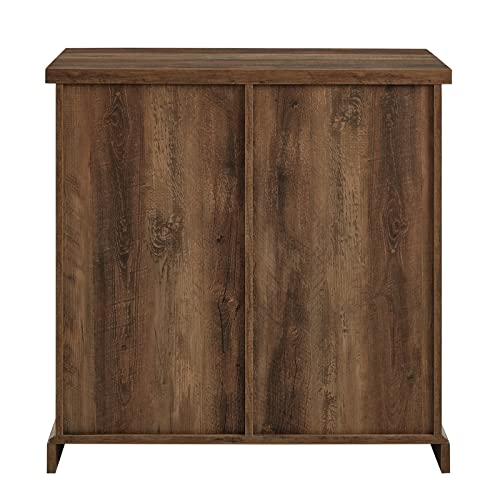
The most critical decision factor for any sideboard is the material used for the carcass and the tabletop. High-quality sideboards often utilize solid hardwoods or thick wood veneers over a stable substrate. If you plan to use the top surface for heavy buffet service—placing hot serving dishes or heavy beverage dispensers—look for finishes that are resistant to heat and moisture. While engineered woods like MDF can be used in budget-friendly models, they are more susceptible to swelling if water spills are not wiped up immediately. For a piece that will anchor a room for decades, prioritize solid wood construction or high-grade veneers that offer the warmth of natural grain with the structural stability required to prevent warping over time.
Evaluate Storage Configuration and Internal Ergonomics
A sideboard is only as useful as its internal organization. Before purchasing, analyze how you intend to use the storage space. If you are storing large ceramic platters or bulky serving bowls, look for wide, adjustable shelving that can accommodate varying heights. If your goal is to organize fine silverware and napkins, a combination of deep drawers and cabinets is ideal. Pay close attention to the hardware: soft-close drawer glides and heavy-duty hinges are non-negotiable for a premium experience. They prevent the jarring impact of slamming doors and ensure that the moving parts do not loosen or misalign after a few months of daily use.
Scale, Proportion, and Spatial Flow
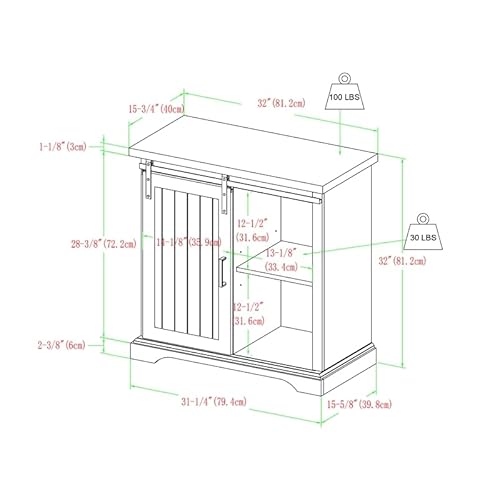
One of the most common mistakes in furniture shopping is selecting a piece that overwhelms the room or feels undersized. A sideboard should feel intentional within its environment. Measure your wall space carefully, leaving enough 'breathing room' on either side so the piece doesn't look cramped. Consider the height of your dining chairs. The sideboard should be tall enough to act as a visual anchor but low enough that it doesn't create a physical barrier in the room's flow. Furthermore, consider the depth. In narrower dining rooms, a slimmer profile is necessary to maintain clear walking paths, whereas a larger, deeper sideboard works beautifully in expansive, open-concept living areas.
Style Consistency and Design Details
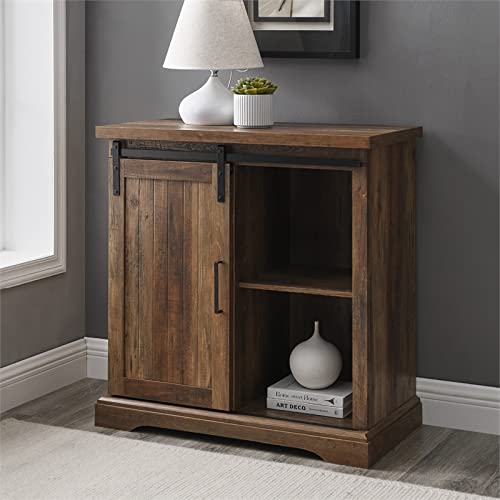
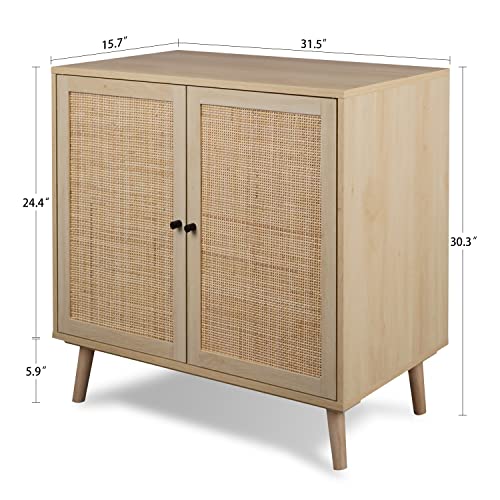
Finally, consider the design language of the piece. Whether you are aiming for a mid-century modern aesthetic with tapered legs, a rustic look with reclaimed textures, or a contemporary vibe with sleek, handle-less cabinetry, the sideboard should complement your existing decor without being a carbon copy. Look at the fine details: the quality of the joinery, the texture of the wood grain, and the style of the hardware. These small elements are what elevate a standard storage unit into a statement piece of furniture that defines the character of your home.