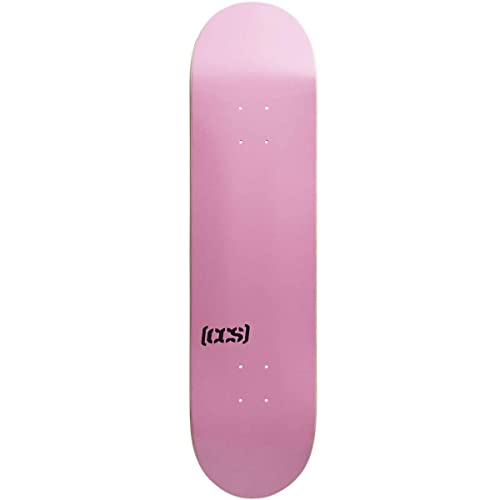
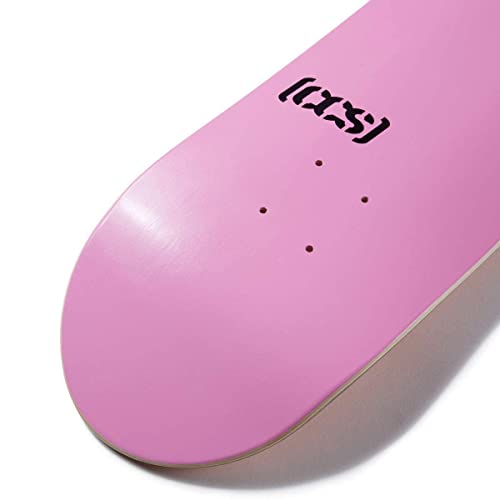
Understanding Width and Shape
The most significant decision you will make is choosing the width of your deck, typically measured in inches. Width dictates your platform stability and maneuverability. For technical street skating—flips, manuals, and ledge tricks—a narrower deck (usually between 7.75 and 8.25 inches) is often preferred. The narrower profile reduces weight and makes it easier to initiate quick rotations. Conversely, if you prefer pool riding, transition, or large-scale cruising, you should look toward wider decks (8.5 inches and above). The extra surface area provides a more stable base, allowing you to maintain balance while navigating steep banks and high speeds.
Concave and Pop Dynamics
Concave refers to the longitudinal curve of the deck from the edges toward the center. This isn't just about comfort. It is a functional tool for control. A 'mellow' concave is flatter, providing a larger surface area that feels predictable and stable, which is excellent for beginners or cruisers. A 'steep' or aggressive concave provides more leverage for your feet, allowing you to 'flick' the board more effectively during tricks and offering more grip during turns. When testing a deck, consider how much you want the board to 'wrap' around your feet. Higher concave generally leads to better pop and more precise control during technical maneuvers, but it requires more foot strength to manage.
Material Composition and Durability
Most high-quality decks are constructed from 7-ply Canadian Maple. This wood is favored for its consistent grain and ability to retain 'pop'—the springiness of the board when you jump. When shopping, pay attention to the construction quality. High-end decks often use cross-grain technology or specialized hydraulic pressing to ensure the layers are fused perfectly, preventing the board from developing 'dead spots' or losing its snap over time. If you are a heavier rider or tend to land hard, look for decks that emphasize structural integrity and high-density maple to prevent premature snapping or delamination.
Nose and Tail Profiles
The shape of the nose and tail significantly impacts how the board reacts to your weight distribution. Some decks feature a more symmetrical shape, which is ideal for switch riding (skating with your non-dominant foot forward). Other decks have a more pronounced, longer nose or a steeper kick in the tail, which can provide more leverage for ollies and power pops. If you are a beginner, a more traditional, balanced shape is recommended to help you develop a sense of where your center of gravity lies. For advanced skaters, specialized shapes can be used to fine-tune specific trick styles.
Matching Deck to Riding Style
To make your final decision, categorize your riding style. For Street/Park: Focus on a medium width (8.0 to 8.25) with aggressive concave for maximum flick. For Transition/Vert: Prioritize width (8.5+) and a stable, predictable concave. For Cruising/Commuting: Look for slightly wider, mellower decks that offer stability over uneven pavement. By aligning these technical specs with your actual skating habits, you ensure your deck remains a reliable tool rather than a hindrance to your progression.