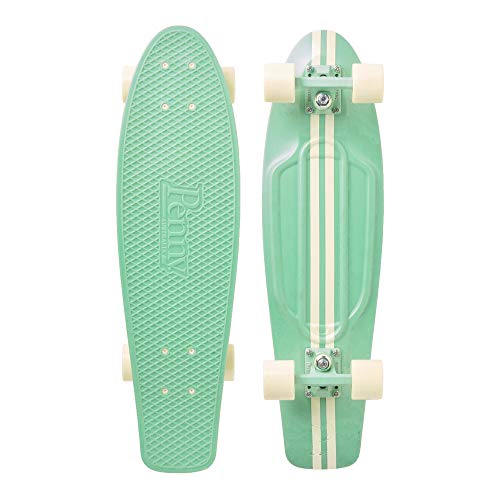
Understanding Deck Material and Size
The defining feature of a Penny-style board is the high-quality plastic deck. Unlike wooden decks that can crack or water-log, these thermoplastic cruisers are incredibly resilient against the elements. However, size is your most critical decision factor. Smaller boards, typically in the 22-inch range, are the ultimate in portability. They can slip into a backpack or be carried easily under an arm, making them perfect for students or commuters who need to hop on and off public transport. If you are looking for more stability, look for slightly larger cruiser decks. A longer wheelbase provides a more stable platform, which is helpful if you are a heavier rider or if you plan to travel longer distances on uneven pavement.
Wheel Composition and Ride Quality
Because these boards are designed for cruising, the wheels are the heart of the experience. You want to look for high-rebound polyurethane wheels. In the Australian context, where many sidewalks can be gritty or textured, soft wheels are non-negotiable. Soft wheels (measured by a lower durometer rating) absorb vibrations from cracks and pebbles, providing a much smoother ride. If you choose wheels that are too hard, you will feel every single bump in the road, which can be jarring and even dangerous at speed. For the best 'flow' through urban environments, prioritize wheels that offer a balance of grip and roll speed.
Bearing Performance and Maintenance
Bearings determine how long your board will coast after a single push. When selecting a cruiser, look for high-quality ABEC-rated bearings. While you don't need professional-grade longboard bearings, you do want something that resists salt air and dust—factors that are highly relevant in coastal Australian climates. A board that rolls smoothly with minimal effort will make your commute much more enjoyable. Keep in mind that because these boards are often used in sandy or dusty environments, you should look for models that are easy to disassemble so you can clean the bearings periodically.
Trucks and Maneuverability
The trucks (the metal T-shaped components that hold the wheels) dictate how much the board leans. For a Penny-style cruiser, you want a setup that allows for deep, carving turns. This 'surfy' feel is what makes these boards fun. Look for trucks that are lightweight to maintain the board's overall portability, but sturdy enough to handle the lateral pressure of carving. If the trucks are too stiff, the board will feel twitchy and difficult to control in tight spaces. If they are too loose, you might feel unstable when standing still.
Final Recommendation Logic
When making your final choice, match the board to your primary use case. If you are a student navigating a campus, prioritize the smallest, most portable deck available. If you are a coastal cruiser looking to ride along the beach, prioritize soft wheels and a slightly larger deck for stability against wind and uneven sand-dusted paths. Always consider the weight. A cruiser's greatest strength is its ability to be carried, so avoid overly heavy metal components if portability is your goal.