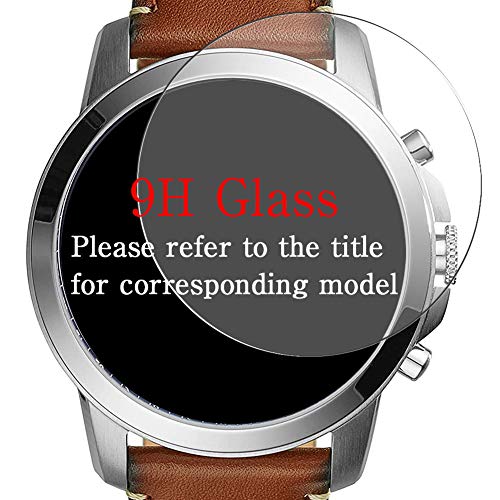
Material Composition: Tempered Glass vs. TPU Film
The most fundamental decision you will make is selecting the material. Tempered glass is the gold standard for impact protection. It mimics the feel of your actual screen, offering high clarity and a premium tactile experience. If you frequently engage in high-impact activities like rock climbing or contact sports, tempered glass is non-negotiable because it absorbs the energy of a direct hit, often cracking itself to save the underlying display. On the other hand, TPU (Thermoplastic Polyurethane) films are ultra-thin and flexible. These are ideal for smartwatches with curved edges or 'waterfall' displays where rigid glass might struggle to adhere perfectly. While TPU offers superior scratch resistance and a seamless look, it provides significantly less protection against heavy drops compared to glass.
Clarity and Optical Transparency
A smartwatch screen is small, making pixel density and brightness crucial. When browsing protectors, look for terms like 'High Transparency' or '99% Optical Clarity.' Low-quality protectors can introduce a slight tint—often a bluish or yellowish hue—that distorts colors and makes reading text in direct sunlight difficult. For those who rely on Always-On Displays (AOD), ensure the protector does not interfere with the light sensors or the brightness levels of the device. A high-quality protector should be virtually invisible once applied, maintaining the vibrancy of your watch face.
Touch Sensitivity and Oleophobic Coatings
Nothing is more frustrating than a smartwatch that requires aggressive tapping to register a command. Premium protectors feature high-grade adhesive layers that ensure seamless touch conductivity. Additionally, look for an 'Oleophobic Coating.' This is a chemical layer that repels oils from your skin. Since smartwatches are in constant contact with your wrists, they are prone to fingerprint smudges and grease buildup. An effective oleophobic coating makes the screen easier to wipe clean and keeps the display looking sharp throughout the day.
Installation Kits and Ease of Use
Even the best protector is useless if it is applied with dust particles trapped underneath or if it ends up crooked. When selecting a protector, prioritize kits that include an alignment frame or a specialized application tool. These tools take the guesswork out of centering the protector over the small, often circular or rounded-rectangle screens of modern smartwatches. A comprehensive kit should also include an alcohol prep pad, a microfiber cloth, and a dust-removal sticker. These components are essential for creating the sterile environment required for a bubble-free finish.
Edge-to-Edge Coverage
Check whether the protector is designed for 'Full Coverage' or 'Case Friendly' fitment. Full coverage protectors extend to the very edge of the glass, providing maximum surface area protection. However, if you use a rugged, heavy-duty protective case, a full-coverage screen protector might be pushed up by the case's rim, causing it to peel. If you are a heavy case user, opt for a slightly smaller 'case-friendly' protector to ensure compatibility between your two layers of defense.