Understanding Conductor Material: Copper vs. Silver
The most fundamental decision you will make is the material used for the core conductors. Most high-quality cables utilize Oxygen-Free Copper (OFC) or Single Crystal Copper (OCC). OFC is a standard in the industry, offering significantly higher purity than standard copper by removing oxygen that can cause oxidation and signal loss. For those seeking the absolute pinnacle of performance, OCC copper is the gold standard. Its molecular structure is continuous, meaning there are fewer 'grain boundaries' to impede the flow of electricity. Some premium cables incorporate silver plating or pure silver conductors. Silver is more conductive than copper, often providing a perceived increase in 'brightness,' detail, and high-frequency extension. However, if your system already sounds overly sharp or clinical, sticking with high-purity copper is often the safer, more musical choice.
The Importance of Wire Gauge (AWG)
When looking at technical specifications, you will encounter the term AWG (American Wire Gauge). This measures the thickness of the wire. It is important to remember that in the AWG system, a lower number indicates a thicker wire. The thickness of your cable is critical for managing electrical resistance, especially over long distances. If you are running cables from a dedicated amplifier room to a separate listening room, you will need a thicker gauge (lower AWG) to prevent signal attenuation. For short runs (under 10 feet) in a compact setup, a medium gauge is usually sufficient. If your speakers are power-hungry or your amplifier has a low damping factor, opting for thicker conductors will help maintain control over the woofer movement, resulting in tighter, more accurate bass.
Cable Construction and Geometry
How the wires are arranged inside the jacket is just as important as what they are made of. You will often see cables described as 'stranded' or 'solid core.' Stranded cables offer much better flexibility, making them easier to route around corners and through furniture, and they are less prone to breakage from repeated movement. Geometry refers to how the positive and negative conductors are twisted or laid out. Advanced twisting patterns (often called Litz wire or helical winding) are designed to minimize the 'skin effect' and reduce electromagnetic interference. This ensures that the signal remains coherent and that the magnetic fields generated by the current do not interfere with other nearby electronic components.
Terminations and Connectivity
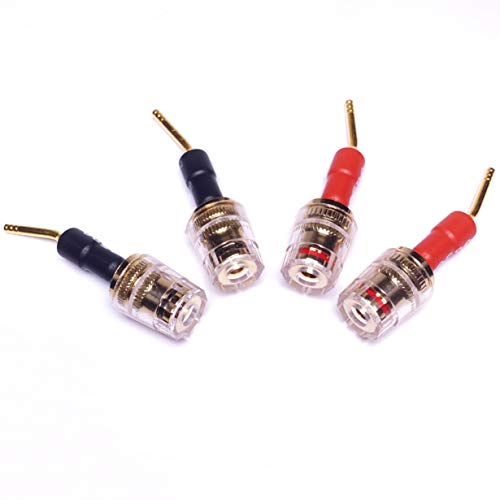
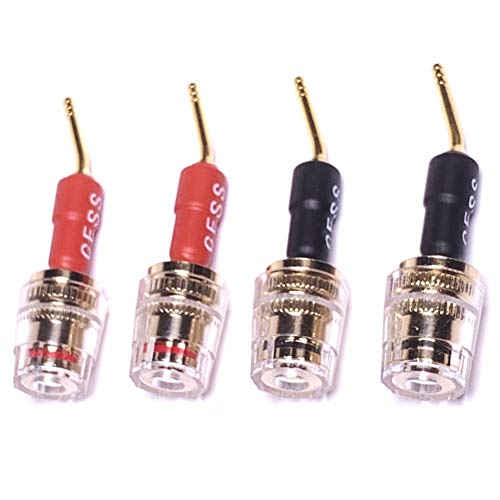
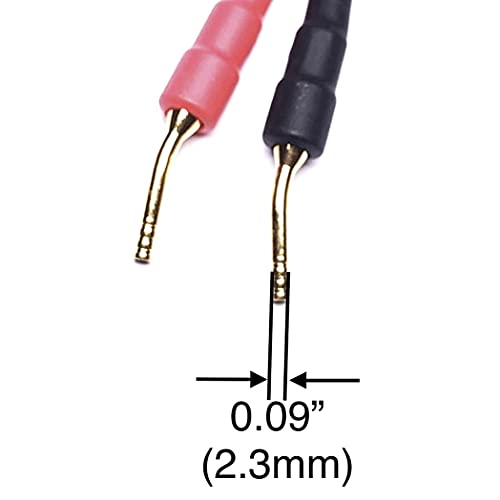
A cable is only as good as its connection point. High-quality cables should come with robust terminations, typically in the form of banana plugs, spade lugs, or bare wire options. Banana plugs are the most user-friendly, allowing for quick insertion and removal, while spade lugs provide a larger surface area for contact, which some purists argue offers a more secure electrical connection. Ensure that the termination method matches your speaker terminals and amplifier binding posts. A poor connection—whether it's a loose spade or a corroded plug—will introduce impedance and can lead to audible distortion or even hardware damage.
Final Recommendation Logic
To choose the right cable, first audit your system. If you are using entry-level bookshelf speakers, do not overspend on silver-plated OCC cables. A decent OFC cable is plenty. If you are building a high-end home theater or a dedicated audiophile listening room with large floor-standing speakers, prioritize thicker gauge (lower AWG) and high-purity OCC copper to ensure the amplifier maintains total control over the drivers. Always match the cable's 'sonic character' to your room: use copper for warmth and silver for detail.