Determine Your Impact Level
The most critical decision factor in selecting a sports bra is matching the level of support to the intensity of your activity. Sports bras are generally categorized into three tiers: low, medium, and high impact. For low-impact activities like Pilates, walking, or stretching, you should prioritize flexibility and breathability. In these scenarios, a compressive fit that feels like a 'second skin' is ideal, allowing for a full range of motion without restricting your breathing. For medium-impact activities such as weightlifting or cycling, you need a hybrid approach—enough compression to minimize bounce while maintaining enough stretch to prevent chafing. High-impact activities, such as HIIT, sprinting, or long-distance running, require maximum encapsulation or heavy compression to stabilize breast tissue and prevent discomfort or long-term ligament strain. Always choose one level higher than you think you need if you are prone to movement-related discomfort.
Analyze Fabric Composition and Breathability
The material of your sports bra determines how long you can train before heat and moisture become a hindrance. Look for advanced moisture-wicking synthetic blends, typically involving nylon or polyester mixed with high percentages of elastane or spandex. These fabrics are engineered to pull sweat away from the skin to the surface of the garment where it can evaporate quickly. If you tend to overheat, prioritize 'seamless' construction or laser-cut perforations which increase airflow. Furthermore, consider the 'hand-feel' of the fabric. A brushed, buttery texture is excellent for comfort during long sessions, whereas a smoother, tighter knit often provides better structural support for high-intensity movement. Avoid heavy cotton blends, as they absorb moisture and become heavy and abrasive when wet.
Focus on Structural Design and Straps
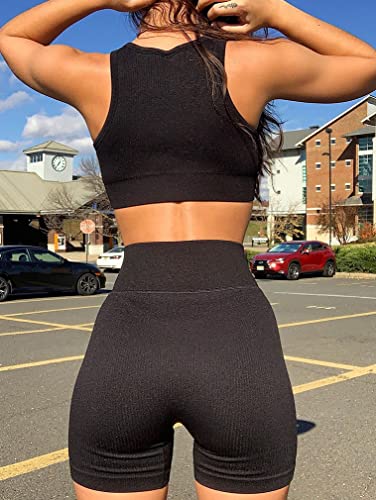
The architecture of the bra—specifically the strap design and back closure—dictates both the support and the ease of use. Racerback designs are a staple for a reason: they provide excellent stability by pulling the straps toward the center of the back, preventing them from slipping off the shoulders during lateral movements. If you have broader shoulders or require more customization, look for adjustable straps that allow you to fine-tune the tension. Additionally, pay attention to the underband. A wide, elasticated band is essential for distributing pressure evenly around the ribcage, preventing the 'digging' sensation that thinner bands often cause. For those who prioritize ease of transition, consider whether you prefer a pullover style for maximum compression or a hook-and-eye closure for easier removal after a sweaty session.
Fit and Compression Logic
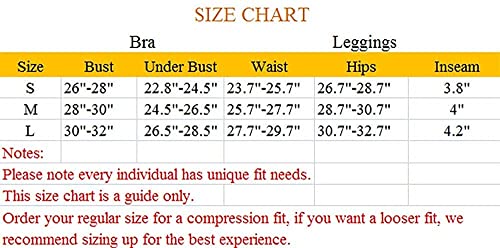
A common mistake is sizing down too aggressively in an attempt to gain more support. While compression is necessary, a bra that is too tight will restrict your lung capacity and cause skin irritation. A proper fit should feel snug but should not cause the fabric to roll at the edges or create deep indentations in the skin. When testing the fit, perform a 'jump test': if there is significant vertical or lateral movement, the cup size or band tension is insufficient. If you feel the fabric straining across the chest, you likely need a larger cup or a different silhouette. The goal is a secure, locked-in sensation that moves with your body rather than against it.