Understanding Drive Size and Compatibility
The most critical decision when purchasing a square drive socket is matching the drive size to your existing ratchet or power tool. Square drives are standardized into specific dimensions, typically measured in inches. The most common sizes you will encounter are 1/4-inch, 3/8-inch, 1/2-inch, and occasionally 3/4-inch for heavy-duty industrial applications. A 1/4-inch drive is ideal for precision work and small electronics, while a 1/2-inch drive provides the leverage necessary for lug nuts and heavy suspension components. Before purchasing, audit your current collection of ratchets and extensions. Attempting to use an adapter to bridge a mismatched drive size can introduce 'slop' or play into the connection, which increases the risk of rounding off the corners of your fasteners.
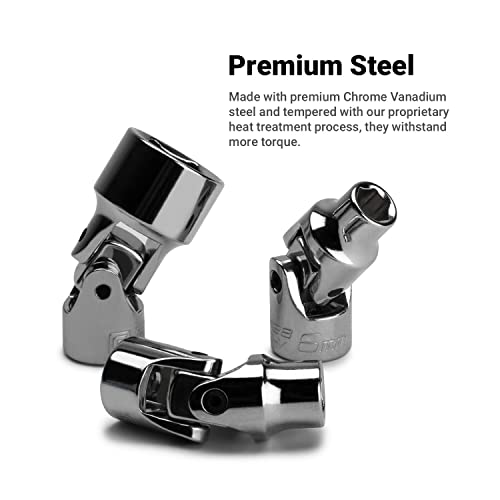
One of the most frequent mistakes DIYers and professionals make is using a chrome-finished hand socket with an impact wrench. This is a safety hazard. Hand sockets are typically made of Chrome Vanadium (Cr-V), which is hard and polished for aesthetics and corrosion resistance, but it can be brittle. Under the rapid, heavy hammering of an impact driver, a chrome socket can shatter. Conversely, impact sockets are made from Chrome Molybdenum (Cr-Mo). This material is more ductile, meaning it can absorb the shock of an impact tool without cracking. Impact sockets are also usually finished in a matte, black phosphate coating to reduce glare and provide better grip in oily environments. If your workflow involves pneumatic or cordless impact tools, you must prioritize Cr-Mo construction.
Socket Geometry and Specialized Profiles
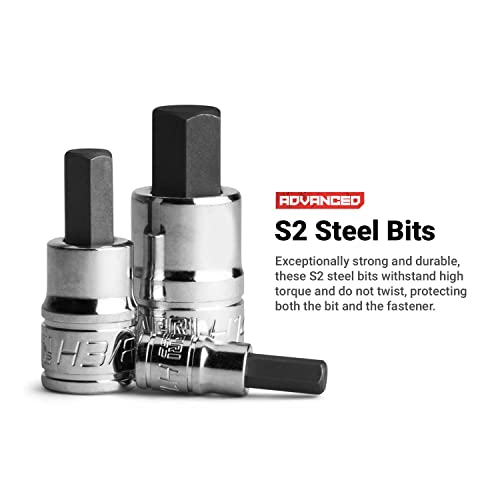
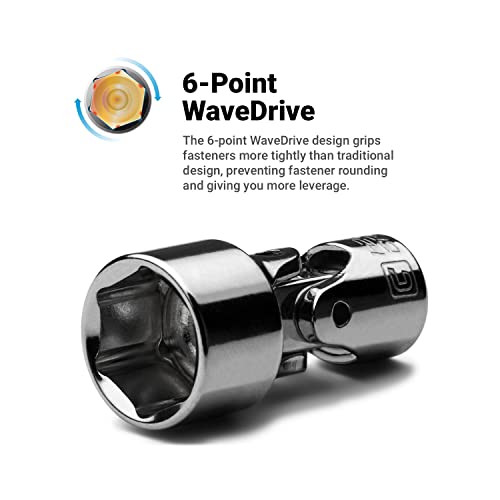
Beyond the drive size, consider the interface between the socket and the fastener. Standard 6-point sockets are the industry standard for most applications because they grip the flat sides of a bolt rather than the corners, significantly reducing the chance of stripping. However, some specialized tasks may require 12-point sockets for quicker engagement in tight spaces, though these are generally less suited for high-torque applications. Furthermore, look for features like deep-well designs, which are essential when you need to reach nuts on long threaded studs, or thin-wall designs for accessing recessed fasteners in modern automotive engine compartments. If you frequently work on specialized hardware, you might also look for specialized bit-socket combinations that integrate square drives with Torx, Hex, or Robertson heads.
Durability and Ergonomic Features
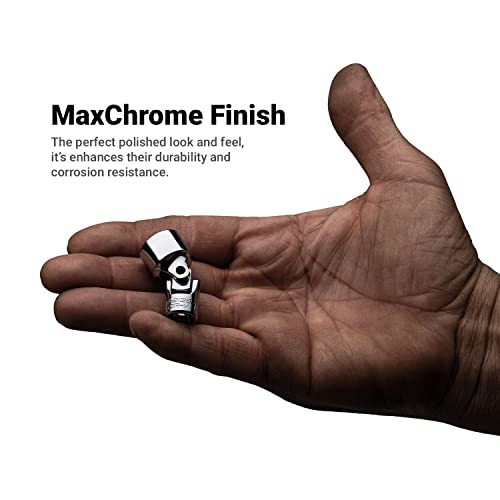
High-quality square drive sockets should feature precision-machined tolerances. This ensures that there is minimal movement between the drive and the ratchet, providing a 'snug' feel that improves tactile feedback. Look for sockets with etched markings. Laser-etched sizing is much more durable than stamped markings, which can wear away over years of heavy use. Additionally, consider the finish of the socket. While matte finishes are better for impact work, a high-polish chrome finish is superior for hand tools used in clean environments, as it is much easier to wipe clean of grease and prevents oxidation in humid toolboxes.