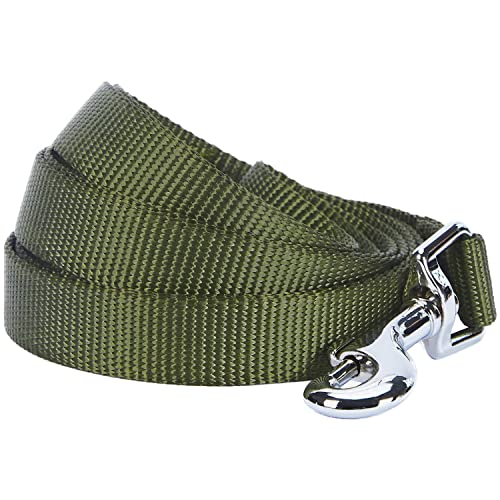
Material Durability and Tactile Comfort
The first decision factor in selecting a standard leash is the material. Most high-quality leashes fall into three categories: nylon, leather, or biothane. Nylon is the most common for standard leashes because it is lightweight, inexpensive, and comes in a vast array of vibrant patterns—including various shades of blue and blueberry tones. It is highly resistant to fraying, though it can sometimes feel slightly abrasive on human hands if the weave is coarse.
Leather offers a premium feel and develops a beautiful patina over time, providing a classic look that complements a sophisticated pet aesthetic. However, leather requires more maintenance to prevent cracking. If you are looking for something virtually indestructible and waterproof, consider biothane-coated webbing. This material mimics the feel of leather but is easy to wipe clean, making it ideal for dogs that love mud or frequent trips to the water.
Length and Control Dynamics
Standard leashes typically range from four to six feet. Understanding how much space your dog needs is crucial for safety and comfort. A four-foot leash is excellent for city dwellers or owners of dogs that tend to pull, as it keeps the pet close to your side in crowded environments. This provides maximum control and prevents accidental collisions with pedestrians or other animals.
A six-foot leash is the industry standard for most recreational walks. It allows your dog a bit more freedom to sniff and explore while still keeping them within a manageable radius. When choosing a length, consider your dog's energy level and training progress. If your dog is still learning leash manners, a shorter, more restrictive length is often the better tactical choice during the training phase.
Hardware Integrity and Attachment Points
The weakest link in any leash is almost always the hardware. When evaluating a leash, examine the clasp (the bolt snap or trigger snap) and the D-ring where the leash connects to the collar. Look for heavy-duty metal components like solid brass, stainless steel, or zinc alloy. Avoid leashes with plastic clips, as these can snap under the sudden tension of a lunging dog.
A high-quality leash should feature reinforced stitching at the stress points—specifically where the hardware meets the webbing. Double or triple stitching ensures that the leash won't unravel under pressure. Additionally, consider the handle design. An ergonomic, padded handle can prevent 'leash burn' if your dog suddenly pulls, making long walks much more enjoyable for you.
Matching Lifestyle to Functionality
Ultimately, your choice should reflect your lifestyle. If you are an urban walker, prioritize a slim, lightweight nylon leash that is easy to stow. If you are an adventurer who takes your dog hiking through brush and rain, prioritize a waterproof, heavy-duty material with high-visibility colors. By weighing the material's weather resistance against the hardware's strength, you can ensure your blueberry pet standard leash is a reliable tool for years of companionship.