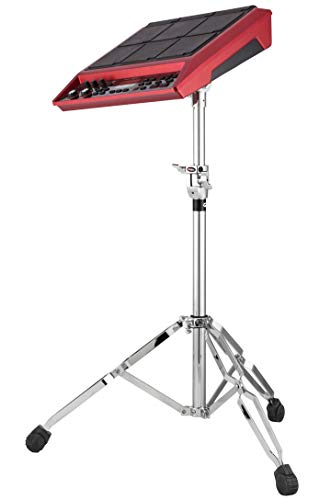
Understanding the Hardware Ecosystem
Gibraltar hardware is unique because of its modular nature. Unlike many brands that sell highly specialized, single-purpose stands, much of Gibraltar's strength lies in its ability to be customized. When shopping, you must decide between purpose-built stands—such as dedicated hi-hat stands or snare stands—and their versatile mounting systems. If you are building a custom percussion rig, you might look into their mounting arms and clamps rather than traditional tripod stands. Understanding whether you need a complete unit or a component to expand an existing setup is the first step in your purchasing journey.
Stability vs. Portability: The Weight Factor
One of the most critical decision factors is the trade-off between weight and stability. For heavy-duty setups, such as large crash cymbals or heavy orchestral percussion, you should prioritize stands with heavy-duty tripod bases and large diameter tubing. These provide a lower center of gravity, preventing the 'wobble' that occurs during aggressive playing. However, if you are a gigging musician who carries your own gear, you must consider the weight of the hardware. Gibraltar offers various tiers of thickness in their tubing. Thicker tubing offers unmatched stability but adds significant weight to your load-in. Look for a balance: heavy-duty enough to support your heaviest instrument, but streamlined enough to remain portable.
Clamping Mechanisms and Memory Locks
The quality of a stand is often determined by its joints. When reviewing options, pay close attention to the tightening mechanisms. High-quality stands utilize memory locks, which allow you to set the height and angle of a component and return it to that exact position every time you assemble your kit. This is a lifesaver for consistent ergonomics. Furthermore, look for wing nuts or lever-style locks that are easy to manipulate even with sweaty hands or in low-light stage conditions. A stand that requires excessive force to tighten is not just frustrating. It is prone to stripping threads over time.
The footprint of your stand dictates how much space you have on stage and how much movement is transferred to the floor. Tripod bases are the most common and offer the best stability on uneven surfaces. However, if you are playing in tight spaces, you might consider round-base stands which have a more predictable footprint. For those playing on stages with cable clutter, flat-foot designs can sometimes be easier to tuck under a kit, though they generally offer less lateral stability than a wide-set tripod. Always match the base type to your playing environment and the specific instrument's center of gravity.
Recommendation Logic: How to Choose
To make your final selection, follow this logic: First, identify the instrument. A snare stand requires a different tensioning system than a cymbal stand. Second, assess your mobility. If you move every week, prioritize lightweight, high-tensile materials. Third, evaluate your kit's weight. If you use oversized, heavy cymbals, skip the entry-level options and move straight to the heavy-duty, double-braced series. By matching the specific mechanical requirements of your instrument to the structural capacity of the stand, you ensure a setup that remains rock-solid through every beat.