Understanding Torque and Rotational Inertia
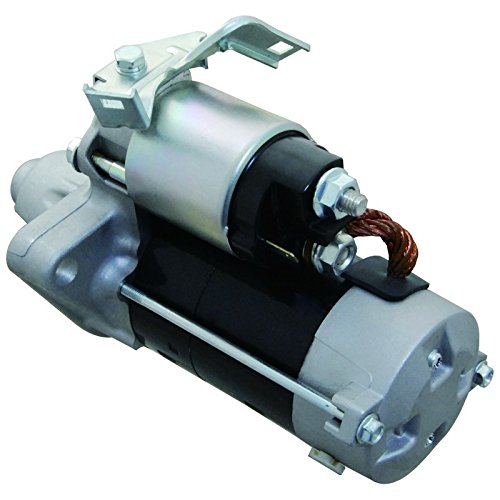
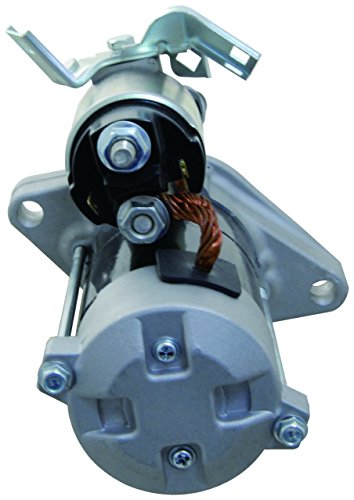
The most critical specification when evaluating a premier gear starter is the torque output. Unlike standard consumer-grade motors, a premier starter must overcome significant static friction and rotational inertia to get a system moving. When browsing options, look specifically at the 'starting torque' rating rather than just the continuous power rating. You need a unit that provides a massive burst of energy to break the initial resistance of the gear train. If the torque is insufficient, the starter will overheat or fail to reach the necessary RPMs to engage the secondary drive systems, leading to a cycle of failed starts and premature component wear.
Gear Mesh and Material Durability
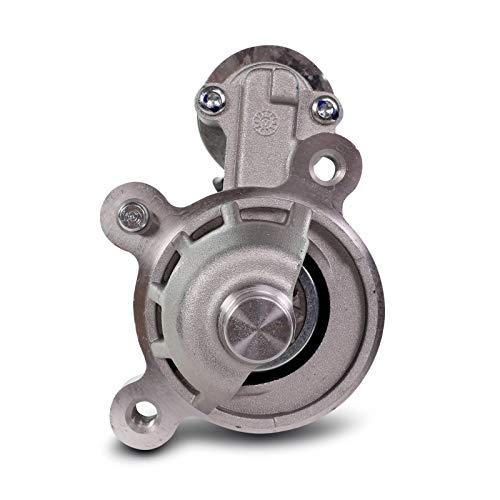
The interface between the starter pinion and the primary gear ring is where most mechanical failures occur. High-quality starters utilize hardened steel alloys for the pinion gear to prevent tooth shearing under high load. When selecting your unit, consider the gear profile. Helical gears often provide smoother engagement and quieter operation, whereas straight-cut gears are sometimes preferred in heavy-duty industrial settings for their ability to handle extreme shock loads. Avoid units that use plastic or composite components in the primary drive path unless they are specifically rated for high-impact, low-heat environments. For premier applications, metal-on-metal engagement with precision machining is the gold standard.
Electrical Compatibility and Draw Profiles
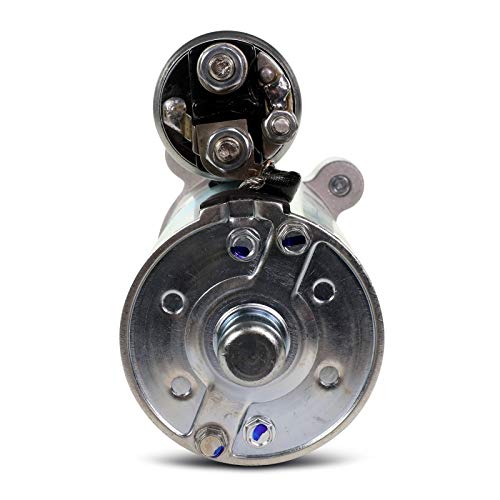
A starter is only as good as the power it can draw. You must match the starter's electrical requirements with your existing power supply or battery system. Pay close attention to the 'inrush current'—the massive spike in amperage required at the exact moment of engagement. If your power source cannot handle this spike, you will experience voltage drops that can reset control boards or damage sensitive electronics in the system. Look for starters that feature optimized brush designs or brushless motor technology. Brushless options offer significantly higher efficiency, longer lifespans, and much more consistent torque delivery across varying temperature ranges.
Environmental Sealing and Duty Cycles
Where will this gear starter live? If it is exposed to dust, moisture, or chemical runoff, an IP-rated (Ingress Protection) enclosure is non-negotiable. A premier starter should feature high-quality seals around the shaft and housing to prevent contaminants from entering the internal windings or the gear mesh. Furthermore, consider the 'duty cycle'—the ratio of operating time to rest time. Some starters are designed for intermittent use (start-stop-start), while others are built for continuous high-frequency cycling. Selecting a starter with a duty cycle that exceeds your actual operational requirements will significantly extend the mean time between failures (MTBF).
Recommendation Logic: How to Decide
To make your final decision, follow this hierarchy: First, define your peak load requirement to establish your minimum torque threshold. Second, audit your power source to ensure it can meet the inrush current demands of the unit. Third, assess the environment to determine the necessary level of sealing. If you are working in a clean, controlled environment, prioritize high-speed efficiency and precision. If you are in a rugged, industrial setting, prioritize material hardness, torque density, and environmental protection over pure speed.