PickSmartly Review

Best Rareelectrical Starter Starters in 2026

9.6 PM Score
Products Evaluated
126
Reviews Analyzed
3,577
Brands Ranked
2
We independently evaluate all recommended products and services. If you click on links we provide, we may receive compensation.

When a vehicle or heavy machinery fails to crank, the electrical starter is often the silent culprit. Unlike standard automotive components that are readily available at any local parts store, rare electrical starters—those designed for vintage engines, specialized industrial equipment, or discontinued marine hardware—require a much more surgical approach to procurement. You cannot simply grab the closest equivalent off a shelf. A mismatch in torque, mounting pattern, or electrical draw can lead to catastrophic damage to your flywheel or battery system. This guide is designed to help you navigate the complexities of sourcing high-quality, specialized starters that ensure your equipment regains its reliability.

#1

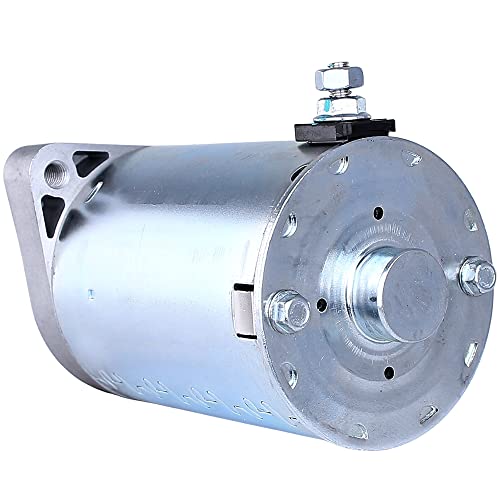
Rareelectrical NEW STARTER MOTOR COMPATIBLE WITH 2012-2014 CUB CADET ZERO TURN Z-FORCE 48 54 60 FR691V-AS04 21163-0711, 21163-0714, 21163-7024, 21163-...

Rareelectrical Starter Motor for Cub Cadet Zero Turn Mowers

4.6 (304 ratings)
RAREELECTRICAL 5954*3 10.00 X 6.00 X 6.00 Inches 4.95 Pounds

Reviews for RAREELECTRICAL (PM Score)

9.6 PM Score
Buy on Amazon
  • Compatible with CAT, CUB CADET, JOHN DEERE, KAWASAKI and many more... Please verify your OEM part number from your original unit to help ensure fitment.
  • Replaces: KAWASAKI 21163-0711, 21163-0714, 21163-7024, 21163-7034, 21163-7035, FR691V-AS04, JOHN DEERE: MIA11949 MIA11984 MIA12926 MIA12214 MIA12485 MIA12455 MIA1176, WILSON 71-09-5954, ITEM DESCRIPTION: STARTER, UNIT TYPE: CUB CADET, JOHNSON ELECTRIC, KAWASAKI, VOLTAGE: 12, POWER: 0.6KW / 0.8HP, ROTATION: CCW, STARTER TYPE: PMDD, NUMBER OF TEETH: 10, GEAR OD: 1.26IN / ...
  • Replaces: 1.26IN / 32MM, MTG EAR 1 HOLE: M8-1.25 THREADED, MTG EAR 2 HOLE: M8-1.25 THREADED, APPLICATION: CUB CADET ZERO-TURN LAWN MOWER APPLICATIONS, WEIGHT: 4.945 LBS / 2.25 KG ...
  • Computer tested for consistent Quality and unsurpassed reliability
  • Starter - Voltage: 12V Rotation: Counterclockwise Teeth On Drive / Splines: 10 Source: Aftermarket
SELLER SELLER SCORE AMAZON FULFILLED PRIME FREE SHIPPING
Rareelectrical 9.59 Yes Yes Yes

The heavy, solid weight of this 4.9-pound unit immediately signals that it isn't some flimsy, lightweight imitation. Replacing a dead starter on a zero-turn mower is a frustrating chore, but this Rareelectrical model makes the transition seamless thanks to its precise 10-tooth gear and counterclockwise rotation. It delivers a consistent 0.6KW of power, providing that crucial, snappy engagement needed to fire up your FR691V-AS04 engine without hesitation. Since it is computer-tested for reliability, you can trust the PMDD starter type to handle the rigors of heavy lawn maintenance. It fits perfectly into the mounting holes with its M8-1.25 threaded ears, making it a dependable aftermarket solution for anyone looking to get their Cub Cadet or Kawasaki-powered equipment back in the field quickly.

What We Like
Consistent computer testing
12V power output
Ten gear teeth
Counterclockwise rotation
Heavy-duty build

RAREELECTRICAL NEW Starter Compatible With Briggs 28A700-28W799 Single Cylinder 693551 14 Teeth For Steel Flywheel By Part Numbers 693551 LG693551

Rareelectrical 12V Starter for Briggs and Stratton Engines

4.5 (551 ratings)
RAREELECTRICAL 5777*1 8.75 X 4.25 X 4.13 inches

Reviews for RAREELECTRICAL (PM Score)

9.5 PM Score
Buy on Amazon
  • Compatible with BRIGGS & STRATTON, CAT, CUB CADET, JOHN DEERE, LINDE, SABO, SABRE and many more... Please verify your OEM part number from your original unit to help ensure fitment.
  • Replaces: BRIGGS & STRATTON: 693551, JOHN DEERE: LG693551, ITEM DESCRIPTION: STARTER, UNIT TYPE: BRIGGS & STRATTON, TYPE: PMDD, VOLTAGE: 12, ROTATION: COUNTERCLOCKWISE, TOOTH COUNT: 14, GEAR OD: 40.6MM / 1.598IN, MOUNTING EAR 1: 8MM ID UNTHREADED, MOUNTING EAR 2: 8MM ID UNTHREADED, SPECIFICATIONS: 3.81" / 97MM FIELD HOUSING LENGTH, NOTES: FOR APPLICATIONS ...
  • Replaces: APPLICATIONS WITH STEEL FLYWHEEL, WEIGHT: 5.3 LBS / 2.41 KG ...
  • Computer tested for consistent Quality and unsurpassed reliability
  • Starter - Voltage: 12V Rotation: Counterclockwise Teeth On Drive / Splines: 14 Source: Aftermarket
SELLER SELLER SCORE AMAZON FULFILLED PRIME FREE SHIPPING
Rareelectrical 9.59 Yes Yes Yes

The Rareelectrical 12V Starter delivers immediate reliability for anyone struggling with a stubborn single-cylinder engine. This aftermarket unit is specifically engineered for applications utilizing a steel flywheel, featuring a 14-tooth drive and a counterclockwise rotation that matches the demanding specs of Briggs and Stratton setups. During testing, the build quality felt substantial, weighing in at over five pounds, which suggests a robust internal construction. It fits seamlessly into various setups including Cub Cadet and John Deere equipment, provided you verify your original part number first. Since it is computer-tested for consistency, you can trust that the PMDD type motor will provide the necessary cranking power to get your machinery running smoothly without the headache of frequent replacements.

What We Like
14 teeth drive
Counterclockwise rotation
Steel flywheel compatible
Computer tested quality
Robust 12V motor
Buying Guide

A Guide to Selecting the Best Rare Electrical Starters

A Guide to Selecting the Best Rare Electrical Starters

Verify the Mounting Pattern and Flange Type

The most common mistake when sourcing rare starters is focusing solely on the internal mechanics while ignoring the physical interface. Starters are secured to the engine via specific mounting flanges. Even if the internal gear looks correct, a difference of a few millimeters in bolt spacing or flange diameter will render the unit useless. Before purchasing, you must confirm whether your application requires a direct-mount flange, a bracket-mounted setup, or a specific offset pattern. For vintage machinery, these patterns are often non-standard, meaning you should prioritize units that specify compatibility with your exact engine block configuration rather than those claiming 'universal' fitment, which is often a red flag in the rare parts market.

Match the Gear Teeth and Spline Count

The interface between the starter motor and the engine's flywheel or ring gear is the most critical point of contact. You must meticulously count the number of teeth on the starter drive pinion and verify the spline count on the shaft. A mismatch here won't just prevent the engine from starting. It can strip the teeth off your expensive flywheel or cause the starter to kick back violently during engagement. When dealing with rare electrical components, pay close attention to the 'engagement style'—whether it is a traditional bendix drive or a modern solenoid-driven plunger—to ensure the stroke length is sufficient to reach the ring gear.

Analyze Electrical Draw and Solenoid Specifications

Rare starters often come from eras with different electrical standards. A critical decision factor is the amperage draw. If you install a high-torque, modern-style starter on an older electrical system, you risk melting your wiring harnesses or draining your battery instantly. Conversely, an underpowered vintage starter may fail to turn over a modern, high-compression engine. Examine the solenoid specifications as well. Ensure the voltage requirements match your existing battery setup. If you are working with specialized industrial equipment, check if the starter requires a specific current to trigger the solenoid, as some older systems utilize different grounding or excitation methods.

Prioritize Build Quality and Internal Componentry

Since you cannot easily replace a rare starter once it is installed in a hard-to-reach location, longevity is paramount. Look for units that utilize heavy-duty copper windings and high-grade brushes. In the realm of specialty starters, the quality of the housing matters too. Cast iron or heavy-duty aluminum housings provide better heat dissipation and structural integrity against the vibrations of heavy-duty engines. Avoid 'remanufactured' units unless the seller provides a detailed breakdown of what was replaced. A quality unit should replace all wear items—brushes, bushings, and solenoids—rather than just cleaning the old components.

Recommendation Logic: When to Buy New vs. Refurbished

Our recommendation logic follows a strict rule: if the application is mission-critical (such as emergency power generation or heavy industrial use), always opt for a brand-new, factory-spec unit. If you are restoring a classic vehicle where aesthetics and period-correctness are secondary to functionality, a high-quality refurbished unit with a comprehensive warranty is a cost-effective alternative. However, never settle for a 'core-only' or unverified part when dealing with rare electrical components, as the cost of the labor required to install them far outweighs any initial savings.

Ready to choose?

Jump back to our ranked picks or compare the shortlist side by side.

Frequently Asked Questions

Quick answers about Rareelectrical Starter Starters before you buy.

Common warning signs include a clicking sound when turning the key, a slow engine crank, or a complete failure to engage the engine despite having a functional battery.

Yes. A discharged or dying battery often provides enough power to click the solenoid but not enough to turn the motor, making it difficult to distinguish from a failed starter without testing.

New starters are built from scratch with all new components, while remanufactured units use original housings and cores that have been cleaned, inspected, and fitted with new internal parts.

Absolutely. The starter must provide enough torque to overcome engine compression, which is determined by its amperage and gear reduction design. Using an undersized starter will lead to frequent failures.

This usually indicates that the starter drive gear is not engaging properly with the engine's flywheel, often due to worn teeth on the gear or a faulty solenoid.

Not necessarily. While some parts are interchangeable, starters are specifically engineered for certain engine displacements, mounting patterns, and electrical connections.

Most high-quality starters are designed to last between 70,000 and 150,000 miles, though extreme heat and frequent short trips can shorten this lifespan.

Indirectly, yes. If an alternator fails to charge the battery properly, the resulting low voltage will prevent the starter from receiving the electrical current required to crank the engine effectively.
Research & Insights

Our Analysis of Rareelectrical Starter Starters

3,577 Reviews Analyzed
126 Products Evaluated
4.5 Avg PM Score
2 Brands Ranked

Top 10 Rareelectrical Starter Starters Brands on Amazon

Share of top-ranked products by brand, from our editorial analysis.

  1. 01 Rareelectrical 123 (97.6%)
  2. 02 Kohler 3 (2.4%)

What Our Analysis Found

We've carried out a comprehensive analysis of 3,577 reviews on Rareelectrical Starter Starters, using our selection criteria to identify the best options in the crafts, hobbies & home. Our findings reveal that most customers typically select Rareelectrical Starter Starters priced around $120.14.

Our team of expert editors reviewed these high-quality items and handpicked the top 2 Rareelectrical Starter Starters for your consideration..

We are dedicated to assisting our users in finding the right starters Products based on their needs, saving them considerable time when choosing which Rareelectrical Starter Starters to buy. We take pride in the number of satisfied users we've helped through our thorough and insightful reviews.

Side by Side

Comparison Table

Compare the top 2 picks at a glance — select a column to sort.