Understanding Torque and Rotation Requirements
The primary function of any starter is to provide enough cranking torque to spin the flywheel or gear assembly to the required RPM for combustion or mechanical engagement. When selecting a premier-tier unit, you must look closely at the torque rating. High-performance engines or heavy-duty machinery often require higher rotational force to overcome internal resistance. A starter that is underpowered will result in sluggish cranking, which can lead to overheating the solenoid or damaging the battery. Conversely, ensure the rotation direction (clockwise vs. counter-clockwise) matches your specific gear configuration, as installing a unit with the wrong rotation will result in zero engagement or immediate mechanical failure.
Gear Material and Durability
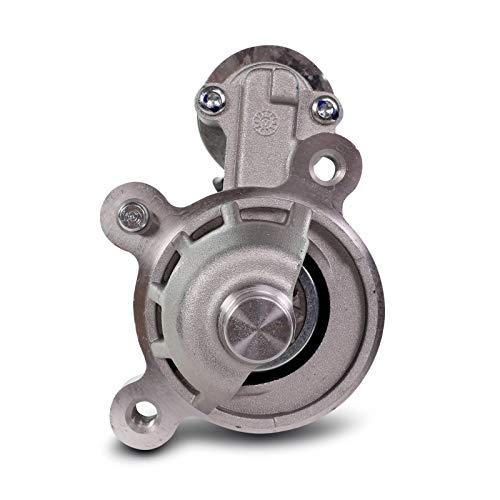
The interface between the starter motor and the engine is the drive pinion gear. In premium starters, this gear is often constructed from high-strength alloys or hardened steel to resist stripping and tooth wear. If you are working in an environment with high vibration or frequent start-stop cycles, prioritize units that feature reinforced pinion assemblies. Look for designs that utilize advanced metallurgy to prevent 'pitting'—the small indentations that occur over time due to metal fatigue. A high-quality gear set ensures that the engagement is smooth and that the teeth remain intact even under extreme load.
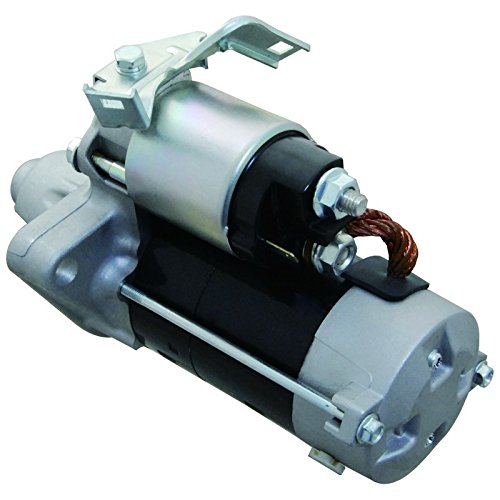
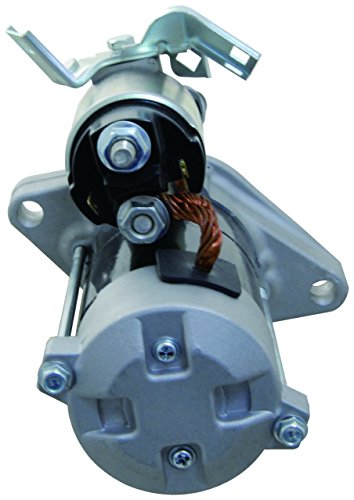
The solenoid is the heart of the starter's engagement mechanism. It acts as the bridge between your electrical input and the mechanical movement of the drive gear. Premier starters utilize high-conductivity copper windings and robust solenoid housings to minimize voltage drop. If a starter has poor electrical efficiency, much of the energy from your battery is lost as heat rather than being converted into mechanical motion. When evaluating options, consider the build quality of the internal brushes and the commutator. High-end units often use premium carbon brushes that provide better contact and a longer lifespan, reducing the likelihood of intermittent starting issues.
Environmental Sealing and Housing Construction
Starters are often located in harsh environments, exposed to moisture, oil, dust, and extreme temperature fluctuations. A 'premier' starter should feature a sealed or semi-sealed housing to protect the internal windings and electrical contacts from contamination. Contaminants like road salt or engine oil can cause short circuits or premature degradation of the internal components. Look for heavy-duty cast housings rather than thin-walled alternatives. A thicker housing provides better heat dissipation and protects the internal components from physical impacts and vibration-induced fatigue.
Recommendation Logic: How to Choose
To make the final decision, follow this hierarchy: First, verify the exact physical fitment and gear teeth count to ensure compatibility. Second, prioritize torque specifications that exceed your baseline requirements to provide a safety margin for cold-weather starts or heavy loads. Third, weigh the cost against the expected duty cycle. If the machine is used daily in demanding conditions, the premium for a heavy-duty, sealed unit is a necessary insurance policy against downtime. Avoid the temptation of budget-tier units that lack specific metallurgical certifications, as the cost of a failed starter far outweighs the initial savings.