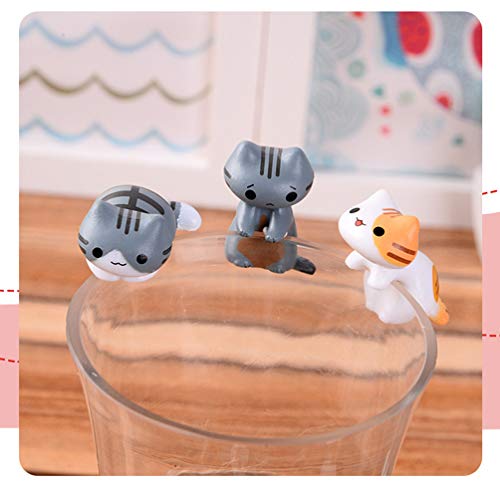
Materiality and Weight Distribution
The most critical factor in selecting a portable statue is the material composition. Because these pieces are intended to be moved, you must consider the relationship between durability and heft. Resin and polyresin are popular choices for portable decor because they can be molded to mimic more expensive materials like bronze, marble, or weathered stone while remaining relatively lightweight. This makes them ideal for shelving where weight limits are a concern.
If you prefer a more premium feel, solid stone or heavy metals like brass offer a sense of permanence and luxury. However, be cautious with high-density materials. A heavy marble statue might be difficult to reposition without risking damage to your furniture or your hands. If you opt for metal, look for pieces with a stable, wide base to prevent tipping when moved frequently.
Scale and Proportional Harmony
A common mistake in decor shopping is selecting a statue that is either swallowed by its environment or overwhelms the surface it sits on. When shopping for portable statues, always visualize the 'negative space' around the object. A small, intricate figurine works beautifully in a cluster on a coffee table, whereas a single, larger-scale bust requires a more isolated setting to command attention.
Measure your intended surfaces before purchasing. A statue that is too tall may interfere with the clearance of a bookshelf, while one that is too short may look lost on a wide dining sideboard. Aim for a piece that provides a vertical or sculptural contrast to the flat surfaces of your home.
Style and Narrative Cohesion
Statues are inherently storytelling objects. They carry stylistic weight that can shift the entire mood of a room. Classical or Greco-Roman styles evoke a sense of timelessness, intellectualism, and tradition. In contrast, abstract or mid-century modern sculptures focus on form, texture, and line, making them better suited for minimalist or industrial aesthetics.
When selecting a piece, decide if you want the statue to blend in or stand out. If your room is highly patterned or colorful, a monochromatic, minimalist statue can provide a necessary visual rest. If your decor is neutral and subdued, a highly detailed or textured statue can serve as the much-needed 'soul' of the room.
Finish and Light Interaction
Because portable statues are often moved to different areas of a home, how they interact with light is paramount. A matte-finished ceramic statue will look soft and organic in a sunlit window, whereas a polished metallic or glass statue will create dynamic highlights and shadows throughout the day. Consider the lighting in your space: if you plan to place the statue in a dimly lit corner, a piece with reflective properties or high-contrast textures will ensure it remains visible and impactful rather than fading into the shadows.