Material Composition and Weight
One of the most defining characteristics of high-quality Veronese-style statues is their perceived weight. Most premium pieces are crafted using cold-cast resins infused with metallic powders or stone dust. This technique allows the statue to possess a density that feels authentic to the eye and the touch. When selecting a piece, consider the 'heft' factor. A statue that feels hollow or lightweight often lacks the intricate surface detail and structural integrity required for long-term display. Look for descriptions that emphasize high-density resins, as these provide the most lifelike texture and ensure the statue remains stable on bookshelves or pedestals without tipping.
Evaluating Surface Finish and Patina
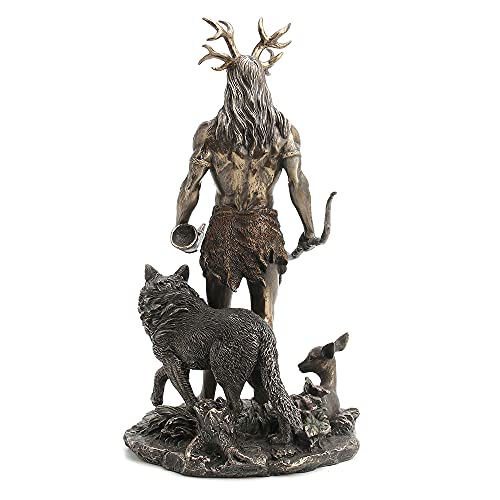
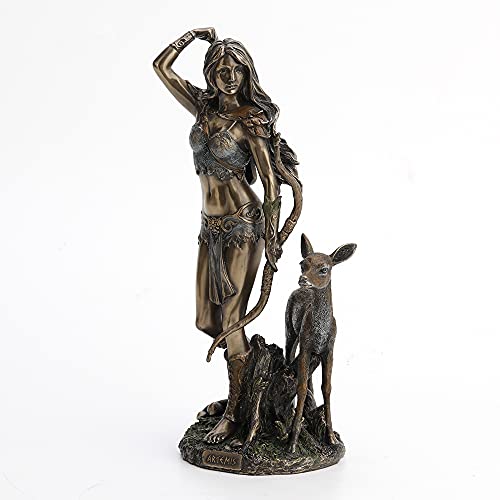
The beauty of a Veronese design lies in its finish. Because these statues are often designed to replicate ancient artifacts, the application of patina is critical. A superior statue will feature multi-layered coloring that highlights the deep crevices and raised edges of the sculpture. For example, a bronze-finished statue should not look like a uniform coat of gold paint. Instead, it should show darker tones in the recesses to simulate natural oxidation and aging. If you are aiming for a classical look, seek out 'antique' or 'weathered' finishes. If your decor is more contemporary, look for polished marble or smooth alabaster effects that emphasize clean lines and luminous surfaces.
Thematic Consistency and Scale
Before committing to a purchase, evaluate how the statue's theme interacts with your existing interior design. Veronese designs often lean toward mythological, historical, or fine-art motifs. A collection of Roman deities works beautifully in a formal study, whereas more abstract or neoclassical figures might suit a modern living room. Scale is equally vital. A common mistake is purchasing a statue that is too small for its intended surface, making it look like an afterthought, or too large, which can overwhelm a mantle. Measure your intended display area and look for statues that occupy a significant visual volume without obstructing movement or light.
Detailing and Artistic Fidelity
Examine the 'sharpness' of the sculpture. High-end Veronese designs are characterized by fine details—the fold of a toga, the musculature of a figure, or the intricate texture of a pedestal. Avoid pieces where the features appear 'soft' or blurred, as this is often a sign of a low-quality mold. The most impressive statues capture the nuance of human expression and the complexity of drapery, providing a sense of movement even in a static object. A well-executed statue should serve as a conversation piece, drawing the eye in to inspect the craftsmanship of its smallest elements.