Material Composition and Durability
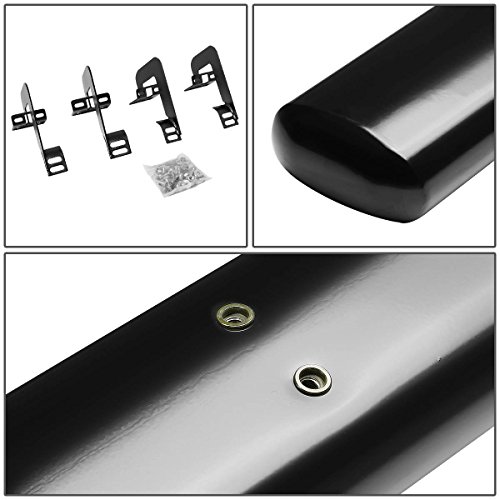
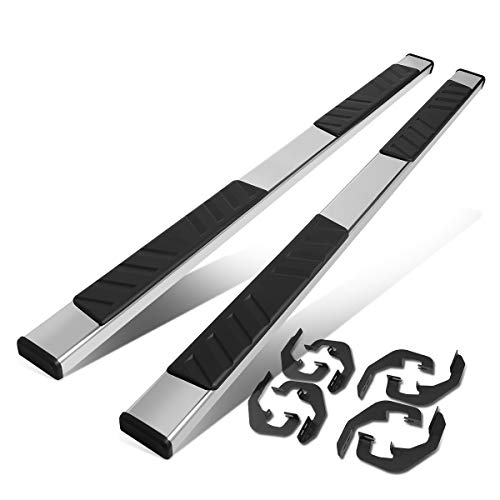
The foundation of any high-quality step rail lies in its core material. Most premium boards utilize a heavy-duty aluminum or stainless steel construction. Aluminum is favored for its high strength-to-weight ratio and its natural resistance to corrosion, making it an excellent choice for vehicles frequently exposed to salt, mud, or coastal air. Stainless steel, while heavier, offers unparalleled ruggedness and a high-end polished finish that resists denting. When evaluating boards, look beyond the surface. Ensure the mounting brackets are made of thick-gauge steel to prevent flexing when a heavy passenger steps on the rail. A rail that bows under weight is not only a safety hazard but a sign of inferior structural integrity.
Traction and Surface Texture
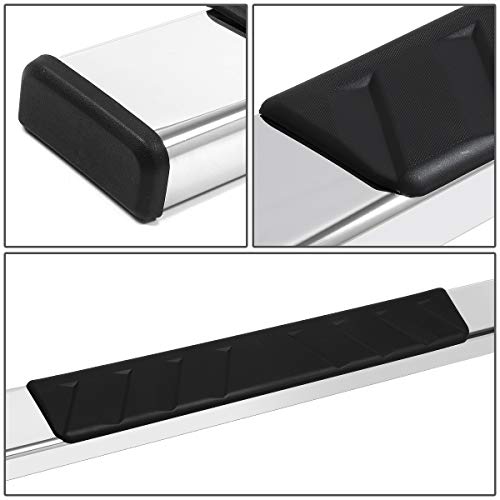
Because step rails are designed to be stepped on in varying weather conditions, the surface texture is a critical safety feature. Avoid smooth-finish boards, which become incredibly slippery when wet or covered in frost. Instead, prioritize boards that feature integrated non-slip patterns, such as extruded rubber inserts, knurled metal surfaces, or aggressive grit coatings. The best designs often incorporate a 'drainage' element—small channels or gaps that allow water, mud, or snow to shed off the surface rather than pooling on the step, which maintains consistent grip during inclement weather.
Width and Step Ergonomics
The 'footprint' of the board dictates how comfortable it will be for daily use. Wide-body boards provide a more stable platform, making them ideal for children, elderly passengers, or those wearing heavy boots. However, excessively wide boards can sometimes protrude too far from the vehicle, potentially creating a snag hazard or interfering with door clearance. On the other hand, slim-profile rails offer a more integrated, 'tucked' look that preserves the vehicle's original lines but may feel less substantial underfoot. Consider your primary use case: if you prioritize ease of entry for family members, go wider. If you want a sleek, off-road aesthetic, opt for a narrower, more streamlined design.
Installation and Fitment Precision
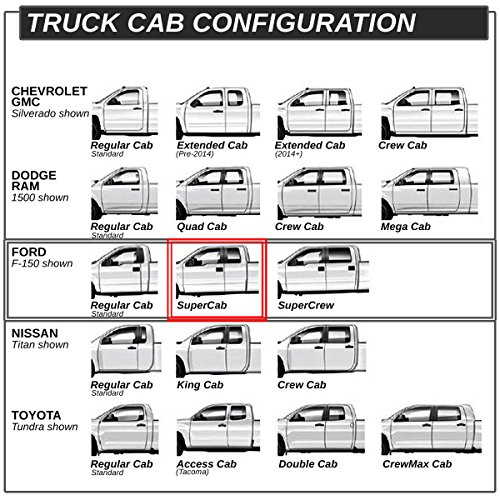
Not all step rails are created equal when it comes to mounting. There are two primary styles: universal fit and vehicle-specific fit. While universal rails are often cheaper, they frequently require drilling into your vehicle's frame, which can compromise structural integrity and create rust points. We strongly recommend vehicle-specific rails that utilize existing factory mounting points. These 'bolt-on' systems provide a seamless fit, ensuring the rails sit at the correct height and angle relative to your doors. Always check if the kit includes all necessary hardware and mounting brackets, as sourcing custom bolts later can be a frustrating and costly endeavor.
Aesthetic Integration
Finally, consider how the rails complement your vehicle's trim package. If your truck features chrome accents, polished stainless steel rails will create a cohesive, premium look. For vehicles with blacked-out trim or matte finishes, powder-coated black rails offer a rugged, stealthy appearance that blends into the chassis. The goal is to ensure the rails look like an intentional part of the vehicle's design rather than an afterthought.