Define the Primary Function and Room Placement
The first step in selecting a Baxton Studio cabinet is determining exactly what you intend to store and where it will live. A cabinet intended for a dining room serves a different purpose than one destined for an entryway or a bedroom. If you are looking for a dining sideboard, prioritize width and surface area for displaying decor or serving buffet-style meals. For entryways, look for slimmer profiles that provide storage for keys and mail without obstructing foot traffic. If the cabinet is intended for media storage, ensure the shelving is deep enough for AV equipment and check if the design allows for cable management to prevent a cluttered look.
Evaluate Material Composition and Durability
Baxton Studio utilizes a variety of materials, primarily focusing on engineered wood, MDF, and metal accents. When reviewing options, pay close attention to the finish. High-quality veneers or textured laminates can mimic the look of solid wood while offering better resistance to scratches and moisture—a vital factor if the cabinet is placed in a high-traffic area or near a kitchen. For those seeking an industrial aesthetic, look for models that incorporate metal framing or hardware, as these tend to be more robust and provide a striking visual contrast to the wood elements.
Assess Storage Configuration and Accessibility
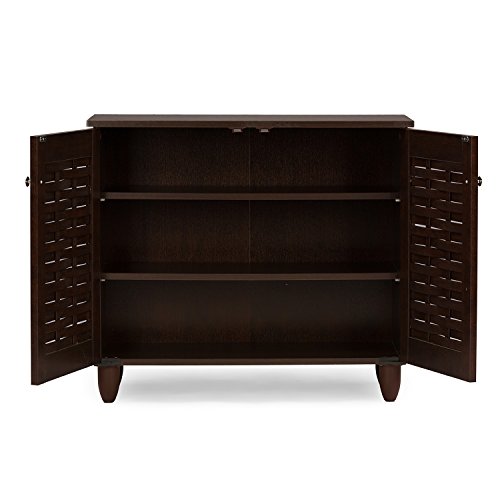
Not all cabinets are created equal when it comes to internal organization. Some models feature adjustable shelving, which is a massive advantage if you need to store items of varying heights, such as tall vases or stacks of board games. Others rely on fixed shelving, which offers a more streamlined look but less versatility. Additionally, consider the door mechanism. Soft-close hinges are a premium feature often found in higher-end Baxton Studio pieces. They prevent slamming and extend the lifespan of the cabinet doors. If you prefer an open-concept look, consider cabinets with glass-front doors, which are excellent for displaying fine china or collectibles while keeping them protected from dust.
Consider Scale and Visual Weight
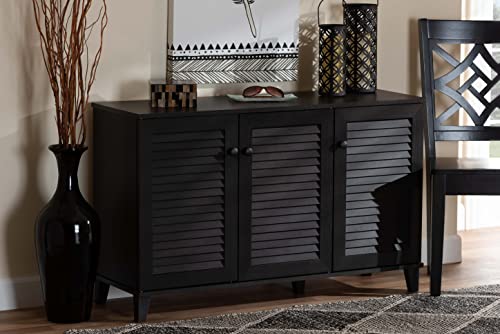
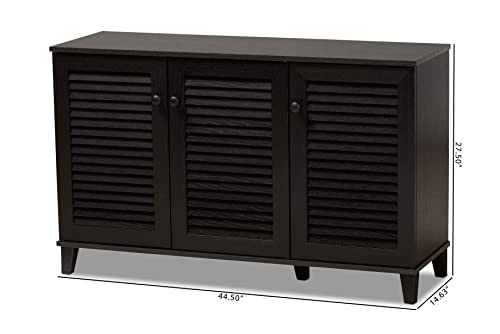
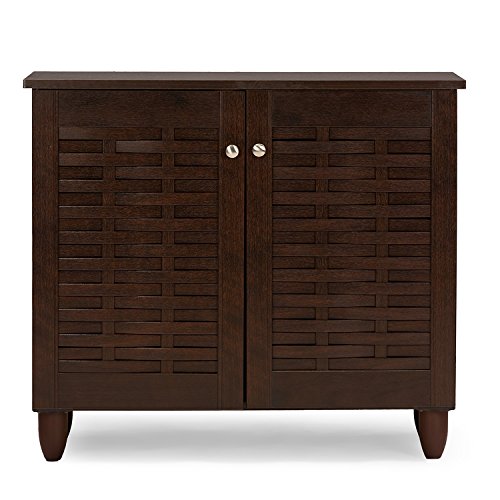
Because many Baxton Studio designs feature bold silhouettes—such as tapered legs or geometric patterns—the 'visual weight' of the piece is a critical factor. A cabinet with tall, slender legs creates a sense of openness and makes a small room feel larger because more floor space is visible. Conversely, a solid-base cabinet feels more grounded and substantial, making it a great anchor for a large, expansive living room. Always measure your intended space twice, accounting not just for the cabinet's footprint, but also for the clearance needed to fully open the doors or drawers without hitting walls or other furniture.
Style Alignment and Cohesion
Finally, ensure the cabinet complements your existing decor. Baxton Studio excels at specific themes: Mid-Century Modern (look for warm wood tones and organic curves), Industrial (look for dark metals and distressed finishes), and Contemporary (look for high-gloss or monochromatic palettes). Rather than trying to match your furniture perfectly, aim for a complementary style that adds character to the room without clashing with your current color scheme.