Understanding Connector Quality and Durability
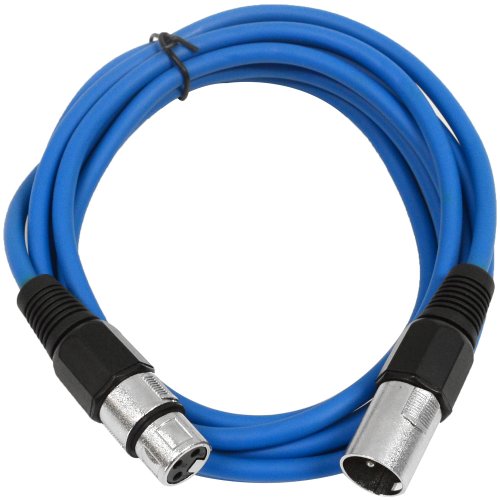
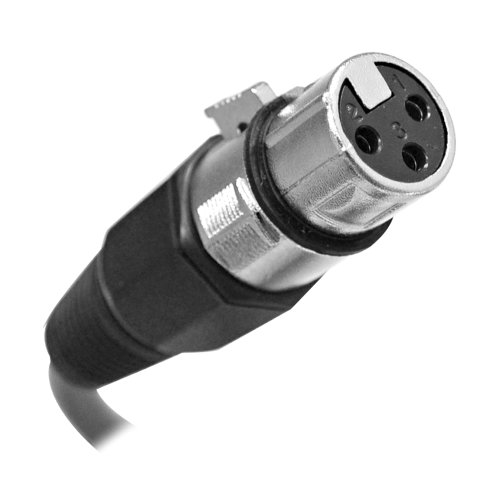
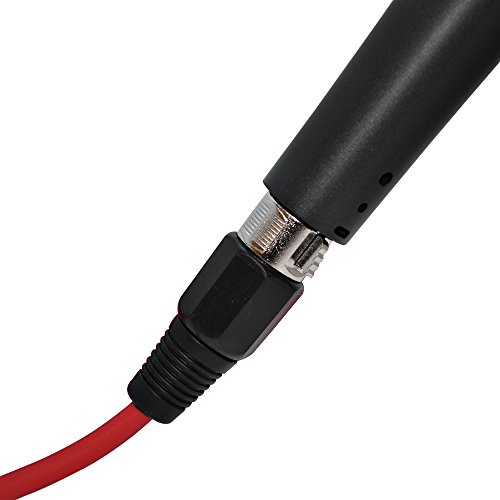
The most frequent point of failure in any studio patch bay is the physical connection point. When evaluating seismic audio patch cables, pay close attention to the construction of the jack and plug. High-quality cables utilize gold-plated connectors to resist oxidation and corrosion, which are the primary causes of signal jitter and crackling over time. Beyond plating, look for robust strain relief at the junction where the cable meets the connector. In a busy studio where cables are constantly being plugged, unplugged, and stepped on, a reinforced housing prevents the internal copper from fraying, ensuring the cable survives years of heavy rotation.
Shielding and Interference Mitigation
Studio environments are often filled with electromagnetic interference (EMI) from power supplies, lighting rigs, and computer monitors. A low-quality patch cable acts like an antenna, picking up this noise and injecting it directly into your mix. When selecting your cables, prioritize those with high-density braided shielding. Effective shielding wraps the internal conductors in a protective layer that drains away induced currents. This is particularly critical when you are running long patch runs across a studio floor or routing signals near high-voltage power strips. The goal is a 'silent' cable that preserves the dynamic range of your instruments without adding a layer of electronic hiss.
Gauge and Conductor Material
The thickness of the conductor, measured in AWG (American Wire Gauge), dictates how much signal loss occurs over the length of the cable. For short-distance patch bay connections, a standard gauge is usually sufficient. However, for longer runs used in live recording or complex routing, a thicker conductor helps maintain signal integrity. Additionally, look for oxygen-free copper (OFC) construction. Oxygen-free copper provides superior conductivity and longevity compared to standard copper, which can oxidize internally and impede the signal. This material choice is a key indicator of whether a cable is designed for professional-grade audio fidelity or merely for basic connectivity.
Flexibility vs. Cable Management
In a patch bay, cable management is a logistical nightmare if your cables are too stiff. A cable that is too rigid will put physical stress on your patch bay ports, potentially damaging the internal solder joints of your equipment. Conversely, a cable that is too thin may be prone to kinking. The ideal seismic audio patch cable strikes a balance: it should be supple enough to be routed neatly through cable combs and organizers, yet heavy enough to feel substantial and resist tangling. When choosing your set, consider the density of your patch bay. If you are filling a 48-point bay, flexibility becomes a primary requirement for maintaining a clean workspace.
Final Decision Logic
To make the best purchase, start by auditing your current signal path. If you are experiencing hum, prioritize cables with superior shielding. If your current cables feel flimsy or the jacks feel loose, prioritize reinforced connector housings and gold plating. For most studio setups, purchasing cables in bulk packs is the most cost-effective way to ensure uniformity across your entire signal path, which helps maintain a consistent impedance and sonic profile throughout your routing matrix.