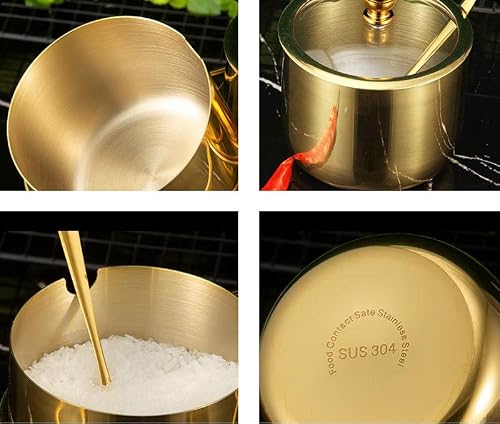
Material and Durability
The material of your sugar bowl dictates both its visual weight and its maintenance requirements. Most premium options fall into two categories: high-fired ceramics and fine bone china. Ceramic bowls offer a more robust, artisanal feel, often featuring thicker walls that provide excellent thermal stability. This is particularly useful if you prefer to store brown sugar that might benefit from a slightly warmer environment to prevent clumping. On the other hand, bone china provides a translucent, delicate elegance that is ideal for formal settings. When choosing, consider your lifestyle: if you have a high-traffic kitchen with frequent use, a sturdy stoneware or ceramic mozacona bowl will resist chipping better than more fragile alternatives.
Capacity and Serving Style
One of the most overlooked decision factors is the volume of the bowl relative to your household size. A small, two-person tea set requires a compact bowl to avoid cluttering a tight table setting. However, if you are hosting larger brunch gatherings, a larger capacity bowl is essential to prevent constant trips to the pantry. Beyond volume, consider the serving style. Some designs feature a wide mouth for easy access with a spoon, while others are more tapered. Look for a bowl that offers enough clearance between the rim and the sugar level so that you can scoop without spilling over the sides. Additionally, ensure the accompanying spoon—if included—is sized appropriately for the bowl's depth.
Lid Functionality and Seal
The primary purpose of a lid is to protect your sugar from humidity and airborne particles. A well-designed mozacona sugar bowl should have a lid that sits securely without being difficult to remove. Pay close attention to the fit. A loose-fitting lid can allow moisture to enter, leading to hard, unworkable sugar clumps. Some high-end models feature a slight weight to the lid or a precision-molded rim to create a more effective barrier. If you live in a particularly humid climate, prioritizing a lid with a snug, well-fitted profile is non-negotiable for maintaining the texture of your sweeteners.
Aesthetic Integration and Design Language
Your sugar bowl should not exist in a vacuum. It must speak the same design language as your teapots, creamers, and plates. If your current collection is minimalist and modern, opt for smooth, unadorned surfaces and geometric silhouettes. If your aesthetic is more traditional or bohemian, look for textured glazes, embossed patterns, or hand-painted motifs. Consider the finish as well—matte finishes offer a contemporary, tactile feel, while high-gloss glazes reflect light and add a sense of luxury to the table. The goal is to find a piece that feels like a natural extension of your dining ritual rather than an afterthought.
Maintenance and Care Requirements
Before finalizing your purchase, clarify whether the bowl is dishwasher safe. While many modern ceramics are resilient, hand-washing is often recommended for pieces with delicate gold or silver gilding to prevent the metallic accents from fading over time. If you plan to use the bowl daily, the ease of cleaning is a significant factor in its long-term utility. A smooth interior glaze is preferable, as it prevents sugar residue from sticking to the sides, making the cleaning process much more efficient.