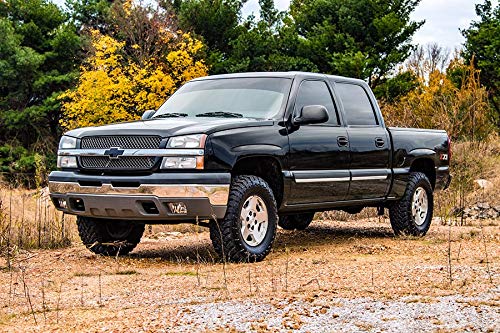
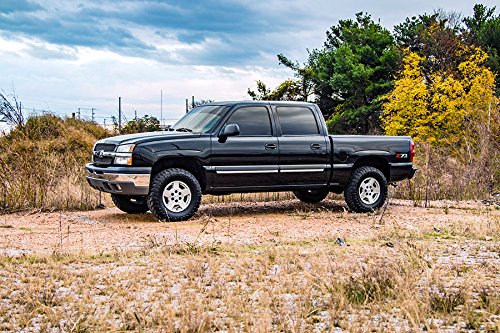
Understanding the Three Pillars: Suspension, Body, and Chassis
Before browsing, you must distinguish between the three primary methods of lifting a vehicle. A suspension lift works by replacing or modifying components like struts, coil springs, and leaf springs to increase the distance between the frame and the axles. This is the gold standard for off-roading because it provides actual travel and improved articulation. A body lift uses spacers between the frame and the body to raise the cab, which is a cost-effective way to fit larger tires without altering the suspension geometry. Finally, a chassis lift involves structural modifications to the frame itself. Most high-quality kits are hybrid solutions, combining body spacers with suspension components to achieve a cohesive, balanced look and feel.
Determining Your Lift Height and Intended Use
The most common mistake enthusiasts make is over-lifting for their driving style. If your goal is 'overlanding'—long-distance travel on moderate trails—a modest 2-to-3-inch suspension lift is often the sweet spot. This provides enough clearance for larger all-terrain tires while maintaining a manageable center of gravity for highway stability. If you are building a dedicated rock crawler, you might look toward 6-inch kits or higher. However, be aware that as the lift height increases, the mechanical stress on your ball joints, tie rods, and CV axles increases exponentially. Always match your lift height to the intensity of the terrain you plan to conquer.
Tire Clearance and Drivetrain Geometry
A lift kit is only half of the equation. The other half is the rubber. When selecting a kit, you must consider the maximum tire diameter the kit can accommodate without excessive rubbing against the wheel wells or frame. A kit that allows for 35-inch tires will require different considerations than one designed for 37s. Furthermore, pay close attention to how the kit affects your drivetrain. High-clearance lifts can cause driveshafts to operate at extreme angles, which may lead to vibration or premature failure. Look for kits that include dropped pitman arms, extended brake lines, or corrected steering geometry to mitigate these issues.
Installation Complexity and Component Quality
Rough Country kits vary significantly in complexity. Some are 'bolt-on' solutions designed for the DIY enthusiast, while more aggressive kits may require welding or precision machining. When evaluating a kit, check the material composition of the components. Forged steel components are generally superior to stamped steel for high-stress applications like lift blocks or control arms. Additionally, consider whether the kit is a 'complete' package. A kit that includes everything from leveling spacers to heavy-duty shocks will save you the headache of sourcing individual parts later, ensuring that all components are engineered to work in unison.
Final Recommendation Logic
To make the right choice, follow this hierarchy: First, define your budget and your primary driving environment. Second, choose your target tire size, as this dictates the necessary lift height. Third, prioritize kits that offer integrated solutions—meaning they address steering geometry and brake line extensions alongside the lift itself. If you want a daily driver that looks aggressive, lean toward suspension-heavy hybrid kits. If you are on a strict budget and just want a taller stance, a body lift is your best entry point.