Understanding Tread Patterns and Compound Stiffness
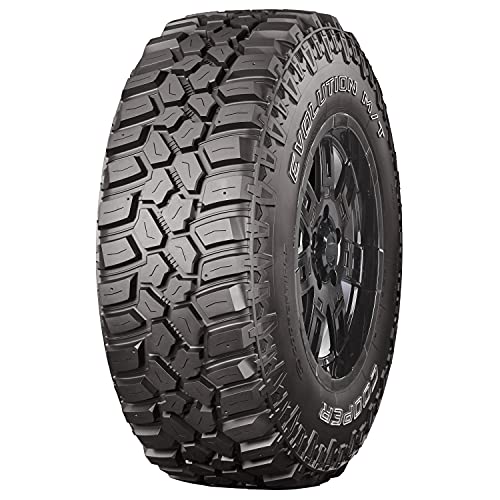
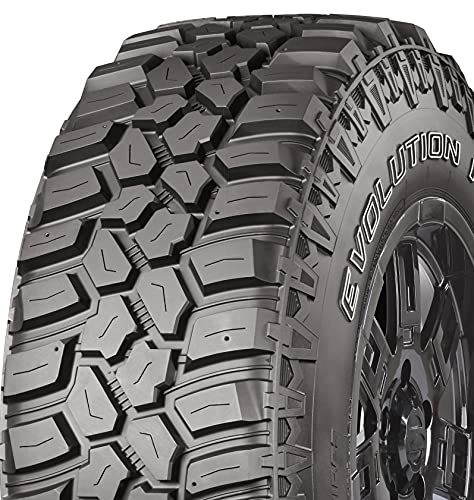
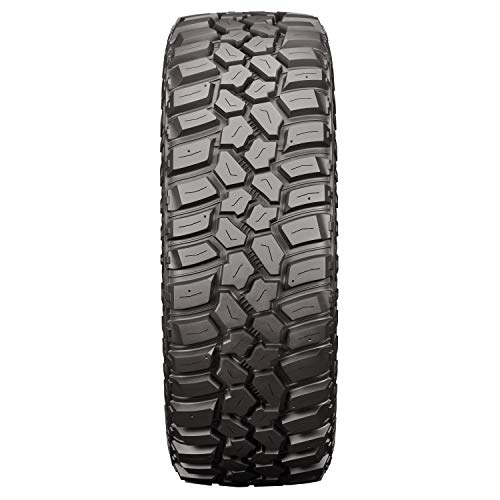
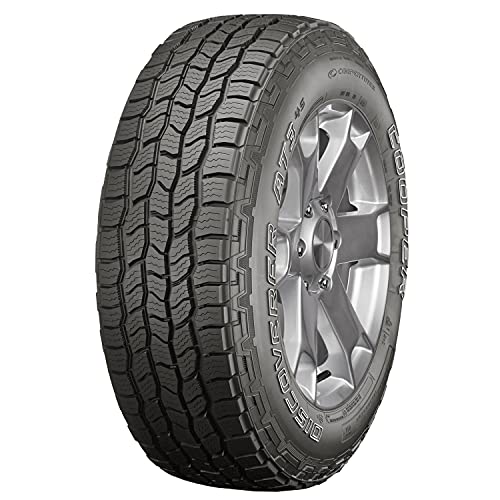
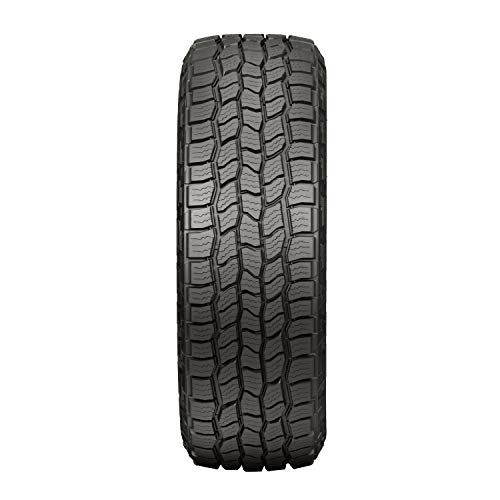
The primary differentiator in Cooper’s all-terrain offerings is the tread geometry. When shopping, you must decide between a 'mild' all-terrain and a 'heavy-duty' all-terrain. Mild A/T tires feature tighter tread patterns and more continuous rubber blocks, which minimize road noise and improve fuel economy. These are ideal for 'overlanders' who spend 80% of their time on asphalt and 20% on light forest service roads. Conversely, aggressive A/T tires feature wider voids (the spaces between tread blocks) and deeper grooves. This allows the tire to 'bite' into loose soil, mud, or snow, but it comes at the cost of increased vibration and humming on the highway. Pay close attention to the rubber compound. A softer compound provides better grip on slick rocks but may wear faster, while a harder compound offers longevity for high-mileage commuters.
The Importance of Sidewall Strength and Protection
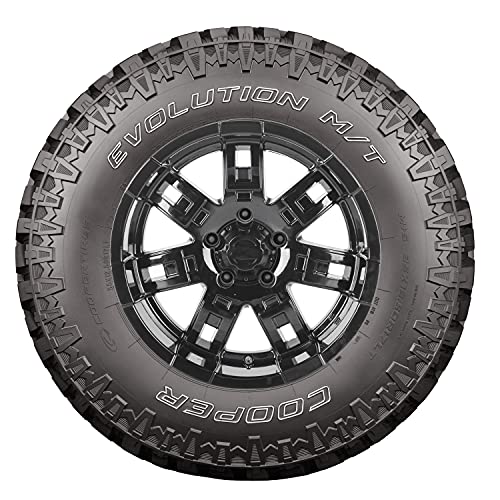
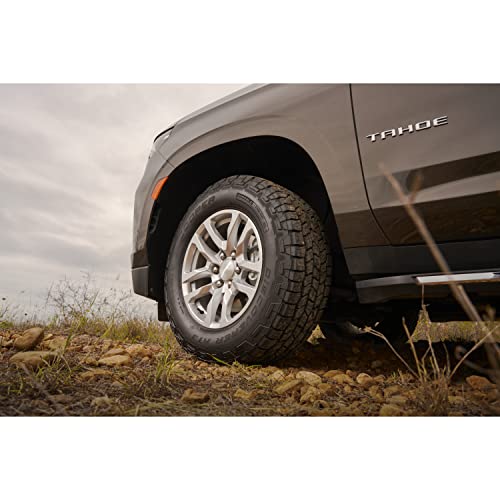
If your SUV trips frequently involve rocky terrain or technical trails, the sidewall is just as important as the tread. Look for tires that feature reinforced sidewall construction. This isn't just about preventing punctures. It’s about lateral stability. A tire with a reinforced sidewall will resist 'squirming' when you take sharp turns on pavement, providing a more predictable steering response. Furthermore, many premium all-terrain tires include specialized shoulder blocks that wrap around the side of the tire. This provides extra traction when aired down for sand or mud and offers a secondary layer of defense against sharp stones that could otherwise slice through the tire's flank.
While all-terrain tires are designed for versatility, not all are created equal when the temperature drops. If you live in a region with significant snowfall, look for tires that carry specific weather ratings or feature high siping density. Sipes are the tiny slits within the tread blocks that act as biting edges to grip ice and slush. A tire with excellent mud performance might actually struggle on packed snow if the tread blocks are too large and blocky. For the SUV driver who needs a 'set it and forget it' solution for all four seasons, prioritizing a tire with high silica content can help maintain flexibility in cold temperatures, ensuring the rubber doesn't harden and lose grip.
Load Index and Rolling Resistance
Finally, do not overlook the technical specifications found on the sidewall regarding load index and rolling resistance. SUVs are heavier than standard sedans, and carrying gear, roof racks, or trailers adds significant stress to the tires. Ensure the load index of your chosen Cooper tires meets or exceeds your vehicle manufacturer's requirements. Additionally, while all-terrain tires inherently have higher rolling resistance than highway tires, modern engineering has made strides in reducing this. If fuel economy is a top priority for your long-distance travels, look for tires designed with optimized tread patterns that reduce air turbulence, helping to mitigate the inevitable dip in MPG that comes with switching to a more aggressive tire.