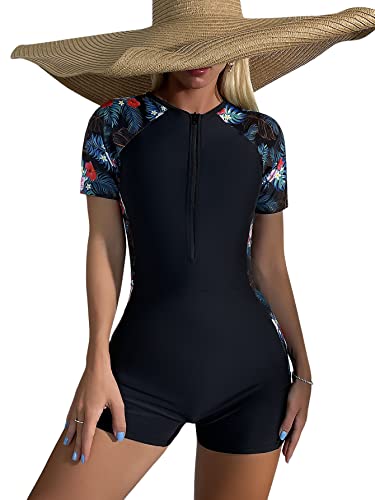
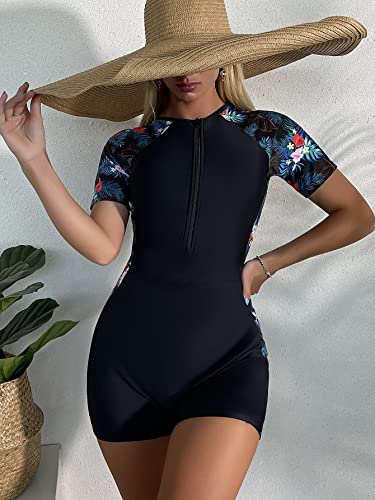
Prioritize Fabric Composition and Stretch Recovery
The longevity of a swimsuit depends heavily on the quality of its textile blend. When selecting Makemechic pieces, look for high percentages of elastane or spandex combined with premium nylon or polyester. A high-quality blend ensures that the suit offers 'stretch recovery'—the ability of the fabric to snap back to its original shape after being stretched over curves or during movement. Avoid fabrics that feel overly thin or translucent when wet, as these lack the density required for durability and modesty. A denser knit provides better compression, which can offer a smoothing effect on the silhouette while resisting the degrading effects of chlorine and salt water.
Evaluate Support and Structural Integrity
One of the most critical decision factors is how the swimsuit manages support. If you are looking at bikini tops or triangle styles, pay close attention to the strap construction and the presence of underwiring or internal linings. For those requiring more security, look for wide, adjustable straps and thicker under-bust bands that distribute pressure evenly rather than digging into the skin. For one-piece designs, check for built-in shelf bras or molded cups. The goal is to find a balance where the suit provides enough tension to remain secure during movement without sacrificing comfort or causing chafing.
Consider Cut and Silhouette for Body Confidence
The 'best' swimsuit is subjective to your personal style and body type, but certain cuts serve specific functional purposes. High-cut leg openings are excellent for elongating the appearance of the legs, while mid-rise bottoms offer more traditional coverage. If you prefer a more secure feeling, look for 'ruched' detailing or thicker side panels, which can provide a flattering, contouring effect. When choosing between a cheeky cut and full coverage, consider the environment. A full-coverage bottom is often more practical for active swimming, while more minimal cuts are ideal for tanning and sunbathing.
Assess Practicality: Lining and Hardware
A common mistake in swimwear shopping is overlooking the internal construction. Always opt for suits that are fully lined, particularly in lighter colors. A double layer of fabric prevents the 'see-through' effect when transitioning from the pool to the sun. Additionally, inspect the hardware—such as rings, sliders, or clasps. Metal hardware should feel substantial and smooth, not flimsy or prone to snagging. Plastic adjusters should be sturdy enough to hold their position under the tension of wet fabric. High-quality hardware ensures that your suit maintains its shape and functionality throughout an entire season of use.
Match the Style to the Activity
Finally, define how you intend to use the suit. A highly decorative, embellished bikini might be perfect for a resort setting, but it may lack the streamlined profile needed for laps or surfing. If your lifestyle involves frequent water sports, prioritize sleek, racerback styles or athletic one-pieces that minimize drag and maximize coverage. If your focus is purely aesthetic, you can lean into bolder prints, cut-outs, and more delicate textures. Matching the design intent to your actual usage ensures you won't find yourself constantly adjusting your suit throughout the day.