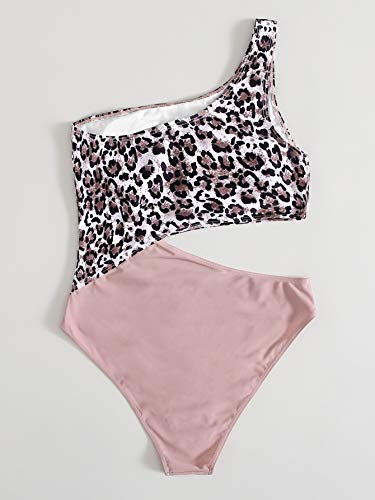
Prioritize Fabric Composition and Recovery
The longevity of your swimwear is dictated primarily by the textile blend. High-quality swimsuits should feature a significant percentage of elastane (often referred to as Spandex or Lycra) blended with premium nylon or polyester. This ensures 'shape memory'—the ability of the suit to stretch over curves and then snap back to its original form without sagging. When evaluating sweatyrocks pieces, look for high-density weaves. A fabric that feels substantial rather than flimsy will resist chlorine degradation and saltwater stretching, ensuring your suit maintains its compression and flattering silhouette through multiple seasons.
Analyze Support and Structural Integrity
Different activities require different levels of structural engineering. If your lifestyle involves more than just sunbathing, pay close attention to the internal construction. For high-impact activities like surfing or beach volleyball, look for wider straps, racerback designs, or under-bust support that prevents shifting. Conversely, for aesthetic-focused lounging, you might prioritize delicate spaghetti straps or halter necks. A key decision factor is the hardware: ensure that any metal rings, sliders, or clasps are made of corrosion-resistant materials. Plastic hardware is often safer for high-salt environments, but premium metal accents must be specifically treated to prevent oxidation and skin irritation.
Evaluate Cut and Silhouette for Body Confidence
The 'best' swimsuit is one that makes you feel empowered, but that starts with understanding how specific cuts interact with your proportions. High-cut legs can create an elongated, editorial look that emphasizes the hips, while mid-rise cuts offer a more classic, athletic feel. For one-piece enthusiasts, consider the neckline. Deep plunges offer a bold, modern vibe, whereas square necks provide more coverage and a structured, sophisticated appearance. Don't overlook the importance of lining. A double-lined swimsuit provides better opacity, smoother lines under the skin, and an extra layer of security when transitioning from water to land.
Consider Versatility and Lifestyle Integration
Modern swimwear is increasingly being treated as part of a cohesive wardrobe. When selecting your pieces, ask yourself if the design allows for easy styling with linen trousers, sarongs, or denim shorts. Minimalist patterns and solid, earthy tones tend to offer the highest versatility, allowing you to transition from a morning swim to a beachside brunch without a complete outfit overhaul. If you are purchasing for travel, prioritize pieces that are quick-drying and resistant to creasing, ensuring they remain pristine in your luggage.
Final Decision Logic
To make your final selection, follow this hierarchy: First, define your primary use case (active vs. lounge). Second, select your silhouette based on the level of support required. Third, verify the fabric density and lining quality. By following this systematic approach, you ensure that your investment in sweatyrocks swimwear provides both the visual impact you desire and the functional reliability you need.