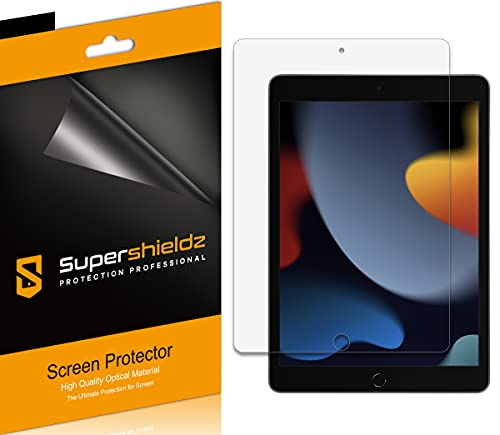
Material Composition: PET vs. Tempered Glass
The first decision you must make is the fundamental material of the protector. Supershieldz typically offers two distinct paths: thin-film PET (Polyethylene Terephthalate) and tempered glass. PET protectors are incredibly thin and lightweight, making them almost invisible once applied. They are excellent for users who want to maintain the original, slim profile of their tablet and are primarily concerned with preventing surface scratches from dust or fingernails. However, they offer minimal impact protection.
On the other hand, tempered glass protectors act as a sacrificial layer. They are significantly thicker and engineered to absorb the energy from direct impacts, such as a drop. If you frequently travel or use your tablet in high-activity environments, tempered glass is the superior choice because it can crack to save your actual tablet screen from shattering. The trade-off is a slightly more noticeable edge, though modern high-quality glass minimizes this effect.
Clarity and Optical Integrity
A tablet screen is meant to be viewed. A common mistake is choosing a protector that introduces a 'rainbow effect' or excessive glare. When evaluating options, look for high-transparency ratings. Clear, high-definition protectors ensure that the pixel density and color accuracy of your tablet remain intact. If you work primarily outdoors, you might consider matte-finish options. While matte finishes reduce glare and fingerprints, they can introduce a slight graininess to the screen. For most users, a glossy, high-clarity protector is preferred to maintain the vibrant colors required for video streaming and photo editing.
Touch Sensitivity and Stylus Compatibility
For tablet users, touch responsiveness is non-negotiable. If you use an active stylus for note-taking or digital art, the thickness and surface friction of the protector become critical. Thicker tempered glass can sometimes create a tiny gap that affects the precision of a stylus. If you are a digital artist, look for protectors that specifically mention high touch sensitivity or a smooth surface texture that mimics the feel of glass. PET films are often favored by stylus users because their thinness allows for near-perfect pressure sensitivity and tip accuracy.
Installation Ease and Bubble Prevention
The biggest hurdle in screen protection is the application process. A poorly applied protector with trapped air bubbles or misalignment can be a permanent eyesore. When selecting your kit, check if it includes an alignment tool or a specialized cleaning kit. Supershieldz products often come with microfiber cloths and dust-removal stickers. These are not mere extras—they are essential. A successful installation requires a completely dust-free environment. Look for protectors that feature an oleophobic coating, which not only repels oils from your fingertips but also helps the adhesive layer settle more smoothly during application.
Decision Logic: Which One Should You Buy?
To simplify your choice, follow this logic: If your goal is purely to prevent scratches and keep the device as thin as possible, go with a PET film protector. If your priority is preventing a cracked screen from a drop, invest in tempered glass. If you are a heavy user of styluses and digital pens, prioritize ultra-thin films to ensure zero lag in your strokes. By matching the material to your specific usage pattern, you ensure that your protection serves your lifestyle rather than hindering it.