Material Composition and Durability
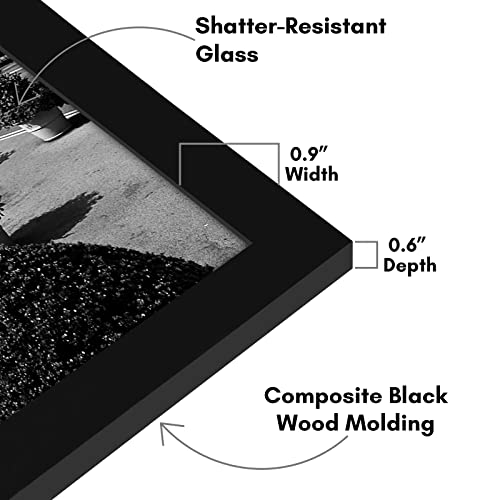
The first decision you must make involves the material of the frame itself. Tabletop frames are subject to different stresses than wall-mounted ones. They are frequently moved, bumped, or adjusted on desks and mantels. You will typically encounter options in wood, MDF (Medium Density Fiberboard), and high-grade plastics. Wood frames offer a premium, tactile feel and organic grain patterns that work beautifully in rustic or classic settings. MDF frames are often more budget-friendly and provide a very smooth, uniform surface that is ideal for high-gloss painted finishes. When choosing, consider the weight of the frame relative to the surface it will sit on. A heavy, solid wood frame looks substantial but requires a sturdy shelf, whereas a lightweight composite frame is perfect for tiered trays or crowded vanity setups.
The Importance of Glazing and Clarity
The 'glazing' refers to the transparent layer protecting your image. In the tabletop category, you will generally choose between real glass and acrylic (often referred to as plexiglass). Real glass is the gold standard for clarity and scratch resistance. It provides a high-end look that won't cloud over time. However, glass is heavier and more fragile if a frame is knocked over. Acrylic is a popular alternative for tabletop use because it is shatterproof and significantly lighter, making it safer for high-traffic areas like dining tables or children's rooms. If you are displaying high-resolution photography where color accuracy is paramount, prioritize glass. If you are looking for durability and ease of transport, acrylic is your best bet.
Stand Stability and Kickstand Design
A tabletop frame is only as good as its ability to stand upright. Unlike wall frames that rely on sawtooth hangers, tabletop frames rely on an easel-back or a kickstand. Pay close attention to the hinge mechanism. A high-quality frame will have a sturdy, metal-reinforced hinge that stays in place once set. Avoid frames where the kickstand feels flimsy or lacks a wide enough base, as these are prone to tipping forward under the weight of the glass and photo. For a more premium look, look for frames with integrated, recessed stands that don't protrude awkwardly from the back, maintaining a sleek profile from all angles.
Matting and Visual Depth
One of the most effective ways to elevate a simple photograph is to use a mat. A mat provides a visual buffer between the image and the frame, creating a professional, gallery-like appearance. When shopping, check if the frame includes a built-in mat or if it is a 'borderless' design. A matted frame is excellent for smaller photos that you want to make appear larger and more significant. It also protects the photo from touching the glass, which prevents moisture buildup and sticking over time. If you prefer a modern, 'edge-to-edge' look, opt for a frameless tabletop design that allows the image to fill the entire aperture.
Style Coordination
Finally, consider the 'vibe' of your space. Minimalist environments benefit from thin, black or white metal-look frames with clean lines. Traditional spaces call for thicker profiles, perhaps in gold, silver, or natural wood tones. Because tabletop frames are often grouped together in 'gallery clusters,' consider buying a set with consistent finishes to create a cohesive look on your mantle or sideboard.