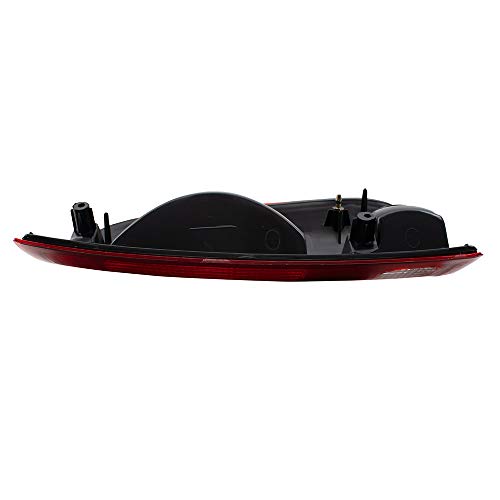
Understanding Light Technology: LED vs. Halogen
The most critical decision you will face is the choice between traditional halogen bulbs and modern LED technology. While halogen assemblies are often more affordable and easier to replace if a single bulb burns out, they lack the instantaneous response time of LEDs. In a braking scenario, those milliseconds of difference in light activation can be the margin between a close call and a collision. LED assemblies offer significantly higher lumen output, a longer lifespan, and a much more aggressive, modern aesthetic. Furthermore, LEDs draw less power from your battery, which is a vital consideration for older motorcycles with sensitive charging systems. If you are looking for longevity and superior visibility, an LED-integrated assembly is the gold standard.
Fitment and Integration Architecture
A tail light is only as good as its fitment. You must distinguish between 'universal fit' assemblies and 'direct-replacement' units. Universal units offer maximum customization but often require drilling new mounting holes, cutting fairings, or fabricating custom brackets, which can compromise the structural integrity of your rear fender. Conversely, direct-replacement assemblies are engineered to match the exact mounting points and wiring harnesses of your specific motorcycle make and model. When evaluating an assembly, pay close attention to the mounting hardware. Look for heavy-duty, vibration-resistant brackets that can withstand the constant oscillation of a motorcycle engine and the impact of road debris.
Lens Quality and Light Diffusion
The quality of the lens dictates how effectively the light is projected. Cheap plastic lenses tend to cloud or yellow over time due to UV exposure, which scatters the light and reduces its effectiveness. Look for assemblies that utilize high-impact, UV-stabilized polycarbonate. A superior assembly will feature precision-engineered internal reflectors designed to focus the beam. You want a light that provides a crisp, sharp signal rather than a muddy, diffused glow. Additionally, consider the 'signature' of the light. Many premium assemblies now feature sequential turn signals or integrated brake lights that use light patterns to communicate more clearly with drivers behind you.
Waterproofing and Environmental Durability
Motorcycles are exposed to the elements in ways cars are not. Your tail light assembly will face high-pressure washes, heavy rain, and road salt. A common failure point in low-end assemblies is moisture ingress, which leads to condensation inside the lens, short-circuiting the electronics and dulling the light output. Prioritize assemblies that feature sealed housings and high-quality rubber gaskets at the mounting points. If the product description mentions IP (Ingress Protection) ratings, pay close attention to those numbers. A higher rating ensures the unit can handle the rigors of long-distance touring and inclement weather without internal corrosion.
Wiring and Plug-and-Play Compatibility
Unless you are an experienced electrical technician, avoid assemblies that require extensive wire splicing. Splicing can introduce resistance into your circuit and create potential fire hazards if not insulated perfectly. The most desirable assemblies feature plug-and-play wiring harnesses that connect directly to your bike's factory connectors. This not only makes installation significantly faster but also ensures that your motorcycle's electrical load remains within the manufacturer's intended parameters, preserving the health of your stator and battery.