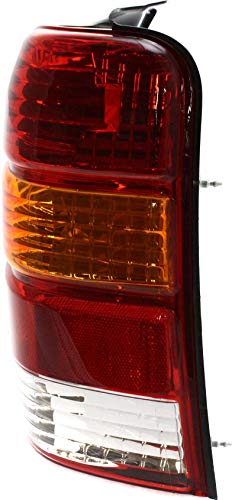
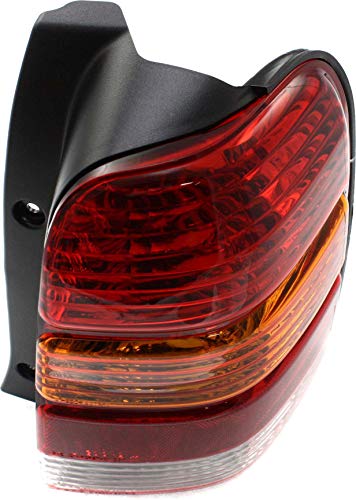
Understanding Assembly vs. Component Replacement
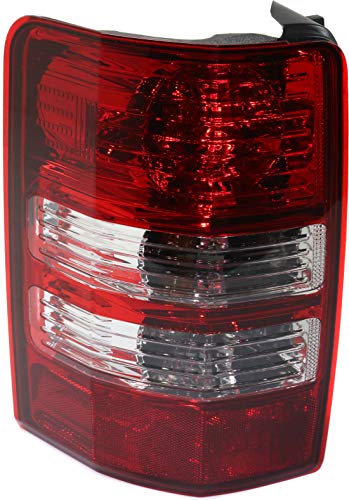
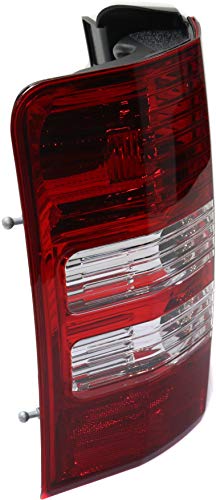
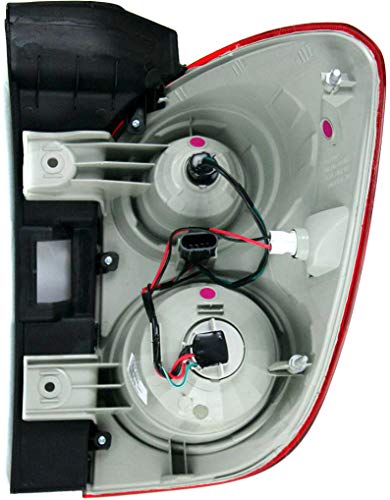
The first decision you must make is whether you need a complete assembly or just a replacement lens or bulb. An assembly includes the entire housing, the internal reflectors, the mounting brackets, and often the wiring harness and socket. Choosing a full assembly is the superior route if the plastic housing is cracked or if the internal reflective coating has degraded. A cracked housing allows moisture to seep in, which can lead to short circuits and electrical issues. By replacing the entire unit, you ensure a watertight seal and a uniform look that matches the rest of the vehicle's lighting system.
Prioritizing Lens Clarity and Material Quality
The most visible part of any tail light is the lens. When evaluating Evan Fischer assemblies, look for high-quality polycarbonate construction. Polycarbonate is preferred over cheaper plastics because it is significantly more resistant to impact and UV radiation. Low-quality lenses tend to turn yellow or become cloudy (oxidized) within a few months of sun exposure, which not only looks terrible but also reduces the lumen output of your brake lights. High-quality assemblies will feature UV-resistant coatings that maintain a crystal-clear finish, ensuring your brake and turn signals are visible from a distance even in bright daylight.
Fitment and Sealing Integrity
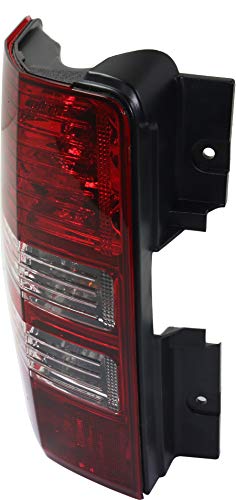
A tail light is only as good as its seal. A poor-fitting assembly can lead to condensation buildup inside the housing, which creates a 'foggy' effect and can eventually corrode the electrical connections. When selecting your assembly, ensure it is designed as a direct-fit replacement. This means the mounting tabs, screw holes, and electrical connectors align perfectly with the factory specifications of your vehicle. Avoid 'universal' assemblies if you want to maintain the factory aesthetic. Instead, look for units that replicate the exact contours and dimensions of the original equipment to ensure there are no gaps between the light housing and the vehicle's body panels.
Light Output and Electrical Compatibility
Modern vehicle safety standards require specific brightness levels for brake lights, running lights, and turn signals. When reviewing assembly options, consider the internal reflector design. A well-engineered assembly uses precision-molded reflectors to direct light outward in a wide, consistent pattern. Furthermore, check the electrical compatibility. Most Evan Fischer assemblies are designed to be plug-and-play, meaning they utilize the existing factory wiring. This eliminates the need for splicing wires or adding aftermarket adapters, which reduces the risk of electrical failure and preserves your vehicle's wiring integrity.
Final Decision Logic
To make the best purchase, follow this logic: First, inspect your current housing for cracks or moisture. If present, go for the full assembly. Second, prioritize polycarbonate lenses with UV protection to avoid premature yellowing. Third, verify that the unit is a direct-fit replacement to ensure a weather-tight seal. By focusing on these three pillars—material durability, precise fitment, and electrical ease—you will ensure your vehicle remains safe, visible, and aesthetically sharp for years to come.