Understanding Frame Construction and Material
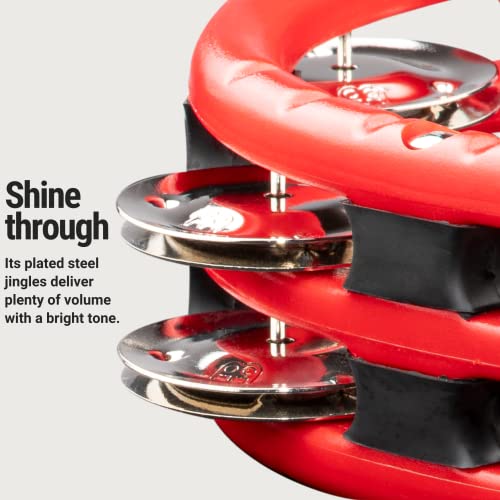
The foundation of any tambourine is its frame, and this is where the primary tonal differences begin. Meinl offers several distinct frame styles. Wood frames, often crafted from hardwoods, provide a warmer, more grounded resonance. These are ideal for acoustic settings, folk music, or when you want the instrument to blend seamlessly with organic tones. On the other hand, synthetic or plastic frames are built for durability and high-frequency response. These are the workhorses of modern pop and rock, capable of withstanding heavy hitting and providing a crisp, bright attack that cuts through a dense mix. If you are looking for a professional-grade feel, look for frames that offer a balanced weight. A frame that is too light can feel 'toy-like' and lack projection, while one that is too heavy may fatigue your wrists during long sets.
Jingle Selection: The Soul of the Sound
The most critical decision factor in selecting a Meinl tambourine is the jingle. The jingles (or zils) determine the instrument's character. Meinl categorizes these into several sonic profiles: Bright/Cutting, Warm/Dark, and Dry/Crisp. If you are playing in a loud rock band, you will likely want heavy-gauge metal jingles that produce a high-frequency shimmer capable of piercing through electric guitars. For jazz or Latin percussion, you might prefer thinner, lighter jingles that offer a more nuanced, shimmering decay. Pay attention to the spacing of the jingles as well. Tighter spacing often results in a more continuous, 'washy' sound, whereas wider spacing creates distinct, rhythmic accents.
Mounting Options: Handheld vs. Mounted
How you intend to play the instrument dictates the mounting style you should purchase. Traditional handheld tambourines are perfect for soloists or those who want to utilize both hand and finger techniques to create varied textures. However, if you are a drummer, you need a mounting solution. Meinl produces tambourine mounts designed to clip onto rims or cymbal stands. When shopping, ensure the mounting hardware is compatible with your current setup. Some models feature integrated mounting holes in the frame, while others require a separate bracket. For studio work, a handheld model offers more expressive control, but for live stage performance, a mounted version allows you to integrate the tambourine into your existing rhythmic workflow without losing a hand.
Skin and Head Types
Not all tambourines rely solely on the jingles for sound. Many premium Meinl models feature a drumhead (or skin) stretched over the frame. A tambourine with a skin allows you to play it like a small frame drum, providing a deep, resonant 'thump' when struck in the center, or a sharp 'snap' when hit on the edge. Synthetic heads are incredibly consistent and weather-resistant, making them perfect for outdoor gigs or touring. Natural skins, such as goat or calfskin, offer a unique, complex harmonic profile that synthetic heads struggle to replicate, though they are more sensitive to changes in humidity and temperature. Consider your playing environment before deciding between a head-equipped model and a simple jingle-only frame.