Understanding Material and Weave Density
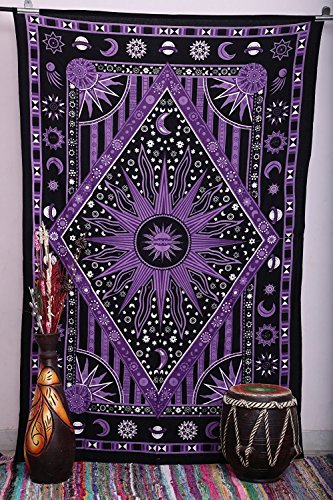
The most critical factor in determining the longevity and aesthetic impact of a tapestry is the fiber content. Natural fibers like cotton, wool, and linen offer a premium, organic feel and tend to age gracefully. Wool tapestries, in particular, are prized for their weight and ability to hold intricate dye patterns, making them ideal for statement pieces. On the other hand, synthetic blends like polyester are often used for printed tapestries. While these are more affordable and easier to clean, they lack the structural depth of a woven piece. When shopping, look for 'woven' rather than 'printed' if you want a piece that feels like a true handicraft. A woven tapestry has the design integrated into the structure of the fabric, whereas a printed tapestry is simply a design applied to the surface of a flat sheet.
Scale, Proportion, and Visual Weight
A common mistake is choosing a tapestry that is either too small, making it look like an afterthought, or too large, overwhelming the furniture. Consider the 'visual weight' of the piece. A heavy, thick-woven tapestry has significant visual weight and should be placed above larger furniture items, such as a sofa or a bed, to act as a focal point. If you are decorating a smaller nook, a lightweight, sheer cotton tapestry or a delicate macramé hanging provides texture without making the space feel cramped. Always measure your intended wall space and account for the 'drape'—how the fabric hangs—as a tapestry will naturally sag slightly under its own weight.
Artistic Technique: Woven vs. Macramé vs. Printed
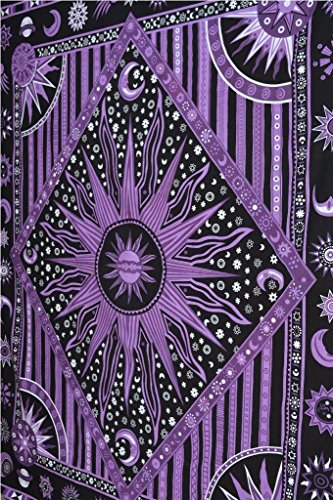
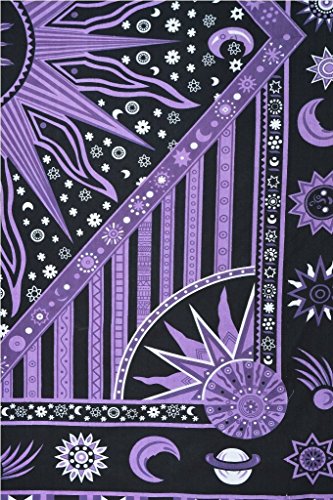
Handicraft tapestries generally fall into three stylistic categories. Woven tapestries (such as Jacquard or Gobelin styles) are the gold standard for traditional artistry, featuring complex patterns created through interlacing threads. Macramé tapestries utilize knotting techniques to create sculptural, three-dimensional textures, perfect for minimalist or boho-chic aesthetics. Printed fabric hangings are the most common modern variant. While they allow for photographic realism, they lack the artisanal soul of a hand-knotted or hand-loomed piece. Decide whether you want a piece that serves as a 'painting in fabric' (woven) or a piece that serves as 'textural sculpture' (macramé).
Installation and Maintenance Considerations
How you hang a tapestry is just as important as the piece itself. For heavy woven pieces, avoid simple tacks, which can tear the fibers over time. Look for tapestries that include a sleeve at the top for a wooden dowel or rod, which distributes the weight evenly and provides a professional, gallery-like finish. Regarding maintenance, natural fiber tapestries should be handled with care. Avoid machine washing heavy wool pieces, as they can shrink or lose their shape. Instead, opt for gentle steaming to remove wrinkles and light vacuuming to remove dust. If you choose a synthetic printed tapestry, machine washing is usually safe, but be mindful of color bleeding in cheaper dyes.