Stovetop vs. Electric: Choosing Your Power Source
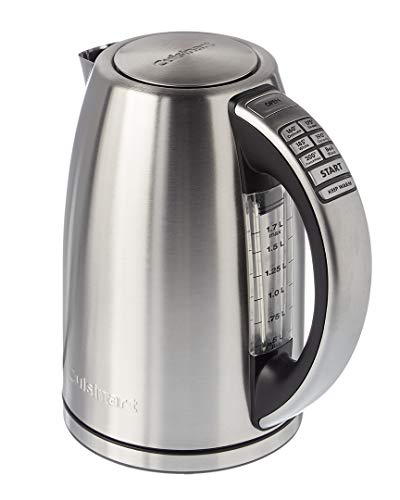
The first and most significant decision is whether you want a stovetop kettle or an electric one. Stovetop kettles are often preferred by those who enjoy the visual and auditory ritual of watching water come to a boil. They are typically more durable and offer a timeless aesthetic that complements traditional kitchens. However, they require a heat source (gas, electric, or induction) and offer less precision in temperature control. Electric kettles, on the other hand, are the champions of convenience. They boil water faster and, in higher-end models, allow for precise temperature settings, which is crucial for preventing the scalding of green or white teas. If speed and accuracy are your priorities, go electric; if you value tradition and longevity, go stovetop.
Material Matters: Stainless Steel, Copper, and Glass
The material of your kettle affects not only its appearance but also its heat retention and durability. Stainless steel is the industry standard for a reason: it is highly resistant to corrosion, easy to clean, and incredibly durable. It is a neutral choice that works well in almost any setting. Copper is a premium option favored for its exceptional thermal conductivity, meaning it heats up incredibly fast. However, copper requires more maintenance to prevent tarnishing and is often more expensive. Glass kettles are a beautiful choice for those who want to monitor the boiling process visually. Glass provides a pure taste experience as it is non-reactive, but it is more fragile and can be prone to limescale buildup, which becomes immediately visible against the clear walls.
Capacity and Ergonomics
When considering size, think about your household needs. A small 0.5-liter kettle is perfect for a single person or a small office, while a 1.7-liter or larger model is better suited for families or entertaining guests. Beyond capacity, pay close attention to the ergonomics of the handle and the spout. A well-designed kettle should have a handle that stays cool to the touch and provides a balanced grip to prevent wrist strain during pouring. The spout design is equally important; look for a 'gooseneck' spout if you practice pour-over coffee or precise tea brewing, as it allows for a controlled, steady stream. For standard tea making, a wide spout with a drip-free lip is essential to prevent messy spills on your countertop.
Safety Features and Advanced Functionality
If you opt for an electric model, safety features should be your top priority. Look for 'auto-shutoff' functionality, which ensures the kettle turns itself off once the water reaches a boil, and 'boil-dry protection,' which prevents the heating element from burning out if there is no water in the vessel. For enthusiasts, variable temperature control is a game-changer. Different tea leaves require different temperatures—boiling water can ruin delicate leaves, while lukewarm water won't extract flavor from robust black teas. Investing in a model with preset temperature stages ensures you get the most out of every leaf you brew.