Material Matters: Ceramic, Glass, or Cast Iron?
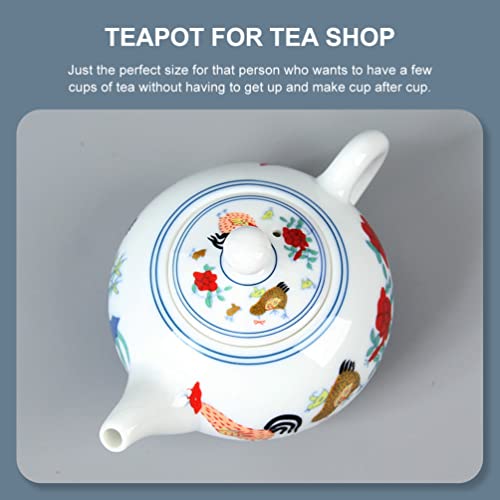
The most critical decision you will make is choosing the material of your teapot, as each interacts with heat and light differently. Ceramic and porcelain are the gold standards for traditional tea drinkers. Porcelain, in particular, is excellent for delicate teas because it is non-porous and does not retain flavors from previous brews, ensuring a clean taste every time. Ceramic tends to have thicker walls, which provides superior heat retention for longer steeping sessions.
If you prefer a modern, visual experience, glass teapots are an exceptional choice. They allow you to observe the 'agony of the leaves'—the beautiful way tea leaves unfurl and dance in hot water. However, glass is generally less efficient at holding heat than ceramic, so these are best suited for lighter teas meant to be consumed quickly. Finally, cast iron teapots (often referred to as tetsubin style) are the heavyweights of the category. They are incredibly durable and retain heat for an extended period, making them ideal for hearty brews, though they require a bit more care to prevent staining or mineral buildup.
Capacity and Scale for Your Lifestyle
Before committing to a design, consider your serving needs. A single-serving teapot, often designed with a built-in infuser, is perfect for solo morning rituals or office settings. These are compact and easy to clean but offer little flexibility if a guest arrives. Conversely, larger teapots with capacities of 1 liter or more are better suited for social gatherings or families. When selecting a larger model, ensure the handle remains cool to the touch even when the vessel is filled with boiling water, as the thermal conductivity of the material can vary.
The Importance of the Infuser System
A teapot is only as good as its ability to separate the leaves from the liquid. Look for teapots that feature high-quality, fine-mesh stainless steel infusers. A mesh that is too coarse will allow small leaf particles (fannings) to escape into your cup, creating a gritty texture. A mesh that is too fine may restrict water flow, leading to uneven steeping. Ideally, you want an infuser that is easily removable, allowing you to stop the brewing process precisely when the tea reaches its peak strength. Some premium models offer removable baskets that sit inside the pot, which provides excellent control over the steeping time.
Ergonomics and the Perfect Pour
A beautiful teapot that drips or feels unbalanced in the hand is a frustration you want to avoid. Pay close attention to the spout design. A well-engineered spout should provide a steady, laminar flow without any 'glugging' or splashing. Test the balance of the teapot by imagining how it feels when full; the weight should be distributed so that the handle doesn't strain your wrist. Additionally, ensure the lid fits snugly. A loose-fitting lid allows steam to escape too quickly, which can cause the temperature to drop and result in an under-extracted brew.
Maintenance and Longevity
Finally, consider the long-term care required. Glass and porcelain are generally easy to clean but can be prone to cracking under extreme temperature shifts (thermal shock). Cast iron requires specific seasoning and drying to prevent rust. When choosing your teapot, match the maintenance level to your lifestyle to ensure your new centerpiece remains a functional part of your kitchen for years to come.