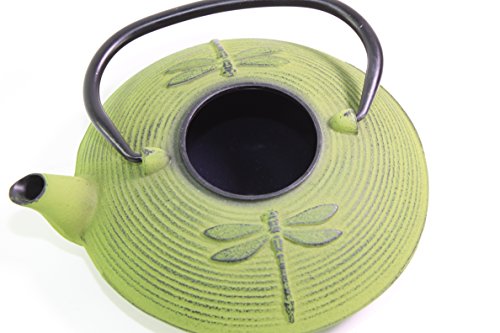
Material Matters: Flavor and Heat Retention
The material of your teapot is the most significant factor in how your tea tastes. Each substance interacts differently with heat and tannins. Ceramic and Porcelain are the most versatile options. Porcelain is non-porous and neutral, making it ideal for delicate green or white teas where you want the pure flavor of the leaf to shine without interference. Stoneware, on the other hand, is thicker and offers better heat retention, which is perfect for darker, more robust black teas.
Clay enthusiasts often look toward Yixing or similar unglazed earthenware. These vessels are porous, meaning they 'season' over time by absorbing the oils of the tea, which can enhance the flavor of subsequent brews. However, this means you should never use a seasoned clay pot for anything other than the specific tea it was intended for. For those seeking modern elegance and extreme heat stability, Glass teapots allow you to witness the 'agony of the leaf' as it unfurls, though they lack the insulation properties of thicker ceramic.
Capacity and Ritual Scale
Before purchasing, consider how you actually consume tea. If you are a solo drinker who enjoys a single, concentrated cup, a small 100ml to 200ml teapot is ideal. This prevents the tea from over-steeping and becoming bitter while you aren't drinking it. If you are hosting guests or prefer a large mug of tea to last an hour, look for capacities in the 600ml to 1000ml range. Always account for the 'displacement factor'—a teapot that looks large may actually hold less once you account for the space taken up by the tea leaves and the lid.
The Mechanics of the Pour
A beautiful teapot is useless if it drips or pours unevenly. When evaluating a teapot, pay close attention to the spout design. A well-engineered spout should have a sharp, clean edge to ensure a precise stream. Look for 'drip-free' designs where the spout is slightly offset from the body to prevent liquid from running down the side of the pot. Additionally, check the fit of the lid. A lid that sits securely without being difficult to remove is essential for safety and ease of cleaning. For those who prefer a more modern approach, consider infuser teapots that feature built-in stainless steel mesh strainers, which allow for easy removal of leaves once the desired strength is reached.
Maintenance and Longevity
Finally, consider the lifestyle fit. Glass and porcelain are generally easy to clean but can be fragile. Clay pots require a specific care regimen, often involving only hot water and no soap to preserve the seasoning. If you want a 'set it and forget it' vessel, a high-fired stoneware pot offers the best balance of durability and thermal performance, standing up to daily use while maintaining its structural integrity for years to come.