#TOP1
Entering the world of amateur astronomy is a journey that spans from the backyard to the deep reaches of the cosmos. While a high-quality optical instrument is the gateway to the stars, the true depth of celestial observation is unlocked through knowledge. Choosing the right telescope book is not just about finding a collection of pretty star charts. It is about finding a mentor in print that aligns with your specific level of expertise, your observational goals, and your technical curiosity. Whether you are a novice trying to distinguish Jupiter's moons from a smudge on your lens or an advanced astrophotographer mastering long-exposure tracking, the right literature serves as your essential field guide.
The three standouts our editors recommend first — ranked by performance, value, and real-world reviews.


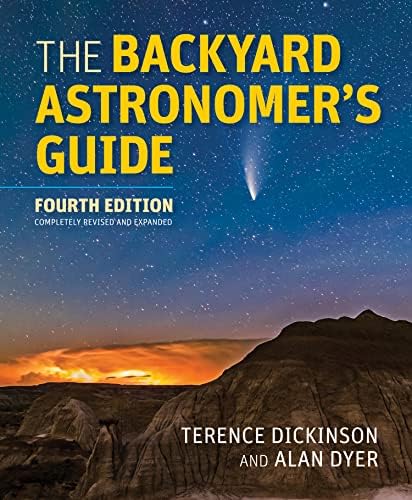
The Backyard Astronomer's Guide
| SELLER | SELLER SCORE | AMAZON FULFILLED | PRIME | FREE SHIPPING |
|---|---|---|---|---|
| Amazon.com | 9.68 | Yes | Yes | Yes |
The Backyard Astronomer's Guide serves as an essential roadmap for anyone looking to navigate the night sky from their own lawn. This Firefly Books publication simplifies the complexities of celestial observation, making the cosmos feel accessible rather than intimidating. While many astronomy texts can feel overly academic or dense, this guide focuses on practical application for the casual enthusiast. It is the kind of resource you keep on your coffee table or by your telescope to quickly identify constellations and planetary movements. It stands as a solid investment for hobbyists wanting to transition from mere stargazing to true celestial understanding. It turns a dark backyard into a personal observatory.

Astronomy for Kids: How to Explore Outer Space with Binoculars, a Telescope, or Just Your Eyes!
| SELLER | SELLER SCORE | AMAZON FULFILLED | PRIME | FREE SHIPPING |
|---|---|---|---|---|
| Amazon.com | 9.68 | Yes | Yes | Yes |
Most parents settle for static picture books that fail to ignite a true passion for the cosmos, but this guide turns a simple backyard glance into a genuine scientific expedition. Rockridge Press has crafted a manual that scales perfectly to a child's current equipment, whether they are peering through high-end telescope lenses or simply scanning the night sky with their naked eyes. It bridges the gap between basic curiosity and actual observational skill by teaching kids how to navigate the stars effectively. Instead of just memorizing facts, young explorers learn the practical application of using binoculars and optical tools to uncover the mysteries of outer space. It is a refreshing, hands-on approach to science literacy that makes the vastness of the universe feel accessible and exciting.

National Geographic Backyard Guide to the Night Sky, 2nd Edition
| SELLER | SELLER SCORE | AMAZON FULFILLED | PRIME | FREE SHIPPING |
|---|---|---|---|---|
| Amazon.com | 9.68 | Yes | Yes | Yes |
Most people look up at a dark sky and see nothing but a void, but this guide transforms that emptiness into a detailed celestial map. Instead of squinting at random pinpricks of light, you can actually identify the constellations and planets passing overhead. This second edition from National Geographic serves as a practical companion for anyone wanting to turn their backyard into a personal observatory. It moves beyond the abstract theory found in heavy textbooks, offering a more accessible way to connect with the cosmos from your own lawn. Whether you are a casual stargazer or a curious beginner, having this level of clarity makes the nighttime experience feel much more intentional and rewarding.
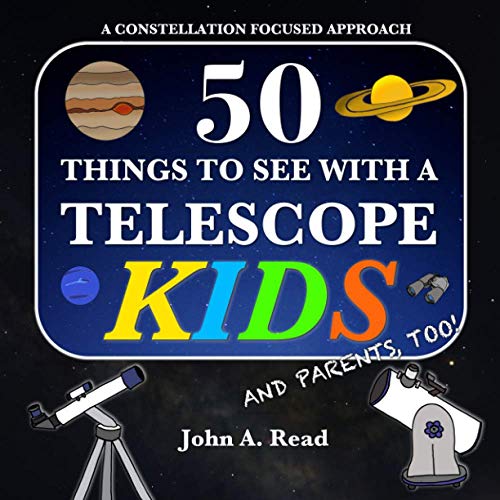


50 Things To See With A Telescope - Kids: A Constellation Focused Approach
| SELLER | SELLER SCORE | AMAZON FULFILLED | PRIME | FREE SHIPPING |
|---|---|---|---|---|
| Amazon.com | 9.68 | Yes | Yes | Yes |
Most parents assume a telescope is enough to spark a child's interest in astronomy, but without a roadmap, that expensive piece of glass often ends up gathering dust in a closet. John A Read solves this problem by shifting the focus from blurry blobs of light to recognizable celestial stories. This guide specifically targets a younger audience by centering on fifty distinct objects through a constellation-focused lens. Instead of overwhelming a beginner with complex coordinates, it provides a structured way to navigate the night sky. It turns a confusing expanse of stars into a manageable scavenger hunt, making the transition from casual looking to actual stargazing much more intuitive for young learners.
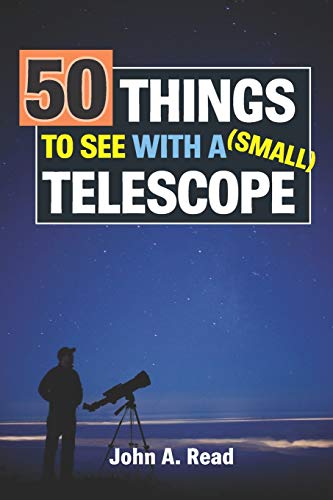


50 Things To See With A Small Telescope
| SELLER | SELLER SCORE | AMAZON FULFILLED | PRIME | FREE SHIPPING |
|---|---|---|---|---|
| Amazon.com | 9.68 | Yes | Yes | Yes |
You are standing in your backyard on a crisp, clear night, peering through an eyepiece and wondering why that faint smudge in the sky isn't looking like the glossy photos in magazines. John A Read solves this exact frustration by turning a confusing expanse of stars into a curated scavenger hunt. This guide acts as a practical roadmap for amateur astronomers who have invested in entry-level gear but feel overwhelmed by the sheer scale of the cosmos. Instead of endless scrolling through complex star charts, you get a focused list of fifty specific targets that are actually achievable with modest equipment. It transforms a lonely hobby into an intentional mission, making every backyard observation session feel purposeful rather than aimless.

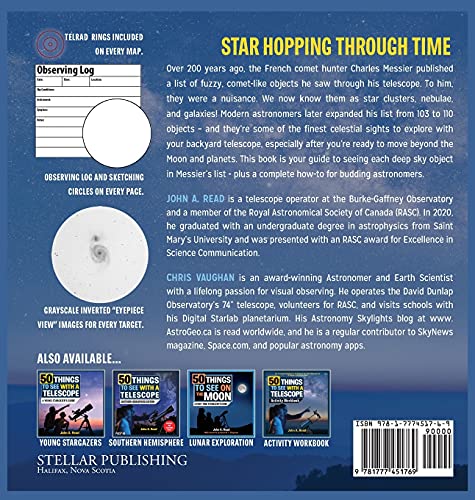
110 Things to See With a Telescope: The World's Most Famous Stargazing List
| SELLER | SELLER SCORE | AMAZON FULFILLED | PRIME | FREE SHIPPING |
|---|---|---|---|---|
| Amazon.com | 9.68 | Yes | Yes | Yes |
After weeks of searching for targets through my eyepiece, I finally realized that having a roadmap is just as important as having a high-quality lens. This guide serves as a curated celestial checklist that cuts through the overwhelming vastness of the night sky. Instead of aimlessly scanning the darkness, you can follow this specific list of 110 famous objects to ensure your stargazing sessions are actually productive. It transforms a hobby that can often feel frustrating into a structured, rewarding adventure. Whether you are a beginner trying to find your first nebula or an enthusiast looking to check off a classic moon crater, this book provides the essential direction needed to make every clear night count.
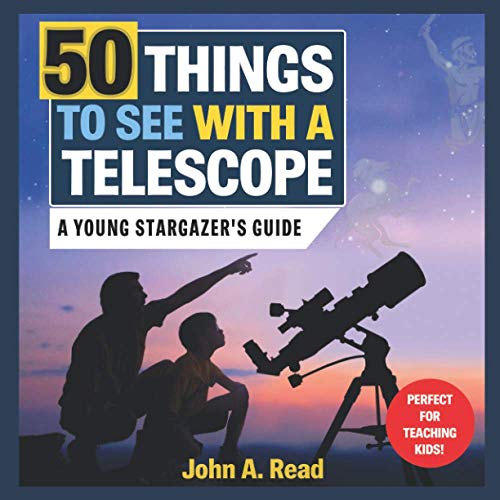

50 Things to See with a Telescope: A young stargazer's guide
| SELLER | SELLER SCORE | AMAZON FULFILLED | PRIME | FREE SHIPPING |
|---|---|---|---|---|
| Amazon.com | 9.68 | Yes | Yes | Yes |
How many young astronomers lose interest because they simply don't know what they are looking at through the eyepiece? 50 Things to See with a Telescope: A young stargazer's guide solves this exact problem by providing a curated roadmap for backyard exploration. Instead of staring blankly at a dark sky, kids can follow a structured path to discover specific celestial wonders. It transforms a potentially overwhelming hobby into a series of achievable, exciting milestones. At a very accessible price point, this guide acts as the perfect companion for any beginner's first telescope kit. It turns a piece of glass and metal into a gateway for genuine scientific curiosity and nighttime adventure.
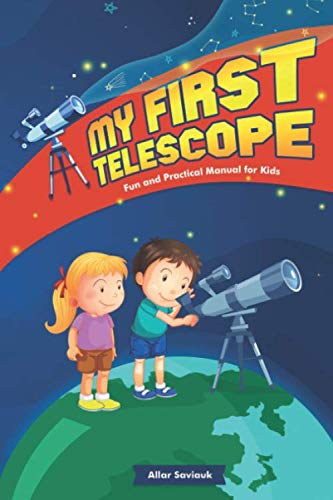

My First Telescope: Fun and practical manual for kids
| SELLER | SELLER SCORE | AMAZON FULFILLED | PRIME | FREE SHIPPING |
|---|---|---|---|---|
| Amazon.com | 9.68 | Yes | Yes | Yes |
My First Telescope: Fun and Practical Manual for Kids serves as an essential gateway for young astronomers looking to move beyond mere observation and into true understanding. This guide bridges the gap between looking through a lens and actually comprehending the celestial wonders being viewed. It functions more like a companion tool than a dry textbook, making the complex world of stargazing feel approachable for beginners. While it doesn't come with hardware, it provides the necessary context to make any starter telescope setup feel much more rewarding. It is a smart, low-cost investment for parents wanting to turn a backyard hobby into a genuine educational adventure.



Telescopes for Kids: A Junior Scientist's Guide to Stargazing, Constellations, and Discovering Far-Off Galaxies
| SELLER | SELLER SCORE | AMAZON FULFILLED | PRIME | FREE SHIPPING |
|---|---|---|---|---|
| Amazon.com | 9.68 | Yes | Yes | Yes |
Tiny hands will find a universe of wonder within these pages. This book acts as a perfect companion for any young astronomer looking to move beyond just looking up at the night sky. Instead of just pointing a lens at a bright dot, kids learn the actual science behind what they are seeing, from identifying specific constellations to understanding the vastness of distant galaxies. It strikes that difficult balance of being educational without feeling like a heavy textbook, making it an ideal gift for curious minds. At just under nine dollars, it is an incredibly accessible entry point for a budding scientist to start their journey into deep space exploration.

The Optimist's Telescope: Thinking Ahead in a Reckless Age
| SELLER | SELLER SCORE | AMAZON FULFILLED | PRIME | FREE SHIPPING |
|---|---|---|---|---|
| Audible, Inc. (US) | 3.10 | No | No | No |
The Optimist's Telescope stands as a vital intellectual companion for anyone feeling overwhelmed by the chaotic pace of modern life. This Audible production offers a refreshing perspective on navigating a reckless era, providing listeners with the mental tools to look toward the future with more clarity and less dread. Instead of falling into the trap of constant doomscrolling, this title encourages a more proactive, thoughtful way of engaging with the world around us. It is an incredibly accessible way to consume deep, philosophical insights while you are commuting, exercising, or simply winding down for the day. It serves as an affordable investment in your own mental resilience and long-term outlook.


50 Things to See with a Telescope: Activity Workbook
| SELLER | SELLER SCORE | AMAZON FULFILLED | PRIME | FREE SHIPPING |
|---|---|---|---|---|
| Amazon.com | 9.68 | Yes | Yes | Yes |
Staring through a telescope lens often feels overwhelming when you have no idea what you are actually looking for in the vast expanse of the night sky. This activity workbook solves that exact problem by providing a structured roadmap for amateur astronomers. Instead of aimlessly scanning the darkness, you get a curated list of fifty specific celestial targets to hunt for. It transforms a passive viewing session into an interactive scavenger hunt, making the hobby much more engaging for beginners or kids. At a very accessible price point, it serves as a practical companion that turns a piece of hardware into a meaningful educational experience. It is a simple but effective way to bridge the gap between owning equipment and actually mastering the art of stargazing.
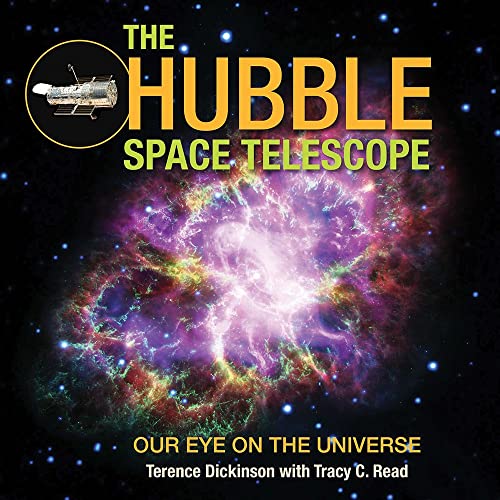

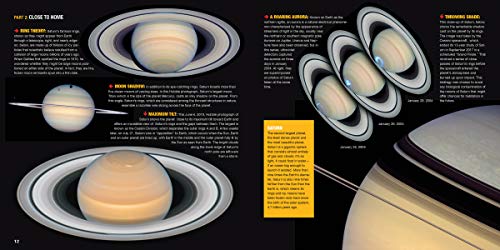

The Hubble Space Telescope: Our Eye on the Universe
| SELLER | SELLER SCORE | AMAZON FULFILLED | PRIME | FREE SHIPPING |
|---|---|---|---|---|
| Amazon.com | 9.68 | Yes | Yes | Yes |
Aspiring astronomers and curious stargazers require this specific volume to bridge the gap between complex astrophysics and visual wonder. Firefly Books has delivered a focused look at one of humanity's greatest scientific achievements, making the cosmos feel accessible rather than intimidating. At just under ten dollars, it serves as an incredibly low-barrier entry point for anyone wanting to understand how we peer into the deep reaches of space. I found that the subject matter hits that sweet spot where it provides enough substance to be educational without becoming a dense academic textbook. It is a perfect addition to a bedside table or a classroom library for those who want a quick, inspiring glimpse into our universe.
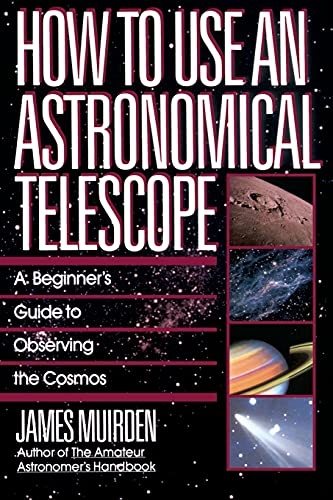
How To Use An Astronomical Telescope
| SELLER | SELLER SCORE | AMAZON FULFILLED | PRIME | FREE SHIPPING |
|---|---|---|---|---|
| Amazon.com | 9.68 | Yes | Yes | Yes |
Staring at a blurry patch of sky after spending hundreds on a new telescope is a frustrating rite of passage for most amateur astronomers. Touchstone’s guide exists to bridge that gap between owning expensive optics and actually seeing the rings of Saturn or distant nebulae. Instead of wrestling with confusing manuals that come in the box, this book provides the foundational knowledge needed to master your equipment. It breaks down the complexities of celestial observation into digestible steps, making the transition from a curious beginner to a confident stargazer much smoother. If you want to stop squinting at darkness and start truly exploring the cosmos, having a dedicated instructional resource like this is a total game-changer for your backyard sessions.


How to use a telescope for beginners
| SELLER | SELLER SCORE | AMAZON FULFILLED | PRIME | FREE SHIPPING |
|---|---|---|---|---|
| Amazon.com | 9.68 | Yes | Yes | Yes |
Aspiring backyard astronomers often find themselves staring at expensive equipment they don't actually know how to operate, making this guide an absolute necessity for any new hobbyist. Instead of struggling through confusing technical manuals that come with most optics, this book provides a direct path to understanding your gear. It bridges the gap between owning a telescope and actually seeing the craters on the moon or the rings of Saturn. At under ten dollars, it serves as a low-cost entry point into a complex science, ensuring you don't waste your first few clear nights in frustration. It is the perfect companion for anyone who wants to spend more time looking at the stars and less time fighting with their tripod.

LATEST DISCOVERIES, MYSTERIES, AND PHOTOS FROM THE JAMES WEBB SPACE TELESCOPE: A detailed look at how far we've come!
| SELLER | SELLER SCORE | AMAZON FULFILLED | PRIME | FREE SHIPPING |
|---|---|---|---|---|
| Amazon.com | 9.68 | Yes | Yes | Yes |
You might wonder if a book on space photography is just a collection of glorified screen grabs, but this volume proves there is much more substance beneath the surface. This book offers a deep dive into the most recent breakthroughs and unexplained phenomena captured by the James Webb Space Telescope. Instead of just glancing at pretty pictures, you are guided through the scientific journey of how far our observational technology has actually progressed. It bridges the gap between high-level astrophysics and visual storytelling, making the complex mysteries of the cosmos feel accessible. Whether you are a casual stargazer or a dedicated science enthusiast, the detailed look at these cosmic discoveries provides a sense of scale that is truly hard to find elsewhere.

Observing With Small Telescopes
| SELLER | SELLER SCORE | AMAZON FULFILLED | PRIME | FREE SHIPPING |
|---|---|---|---|---|
| Amazon.com | 9.68 | Yes | Yes | Yes |
Most beginners assume they need a massive, expensive Dobsonian to see anything meaningful in the night sky, but that mindset actually limits your potential. Observing With Small Telescopes proves that portability and technique matter far more than raw aperture when you are starting out. This book serves as a practical roadmap for navigating the cosmos without breaking the bank or needing a massive backyard. It focuses on the nuances of using compact equipment to find deep-sky objects and planetary details that often get overlooked. Instead of getting bogged down in complex physics, you get actionable advice that turns a modest setup into a serious astronomical tool. It is a refreshing take for anyone who wants to start stargazing immediately rather than waiting for a massive budget windfall.

The most common mistake in selecting astronomy literature is purchasing a book that is either too rudimentary or overly academic. If you have just unboxed your first refractor or Newtonian reflector, look for books categorized as 'beginner guides' or 'field manuals.' These prioritize visual identification, basic constellation navigation, and 'how-to' instructions for setting up equipment. Conversely, if you are already comfortable with equatorial mounts and celestial coordinates, you should bypass the introductory texts in favor of deep-sky catalogs or technical manuals on optical physics and atmospheric seeing. A book that explains the 'why' behind light refraction is vastly different from one that simply tells you 'where' to point your tube.
Astronomy is a broad discipline, and your reading material should reflect your specific interest. Most books fall into one of three primary categories:
For a book intended for field use, the quality of the star charts is paramount. Look for books that use modern, high-resolution data rather than outdated celestial maps. Furthermore, consider the physical format. A heavy, coffee-table style book is wonderful for learning the theory of stellar evolution in your living room, but it is useless in the field. If you intend to take your book to a dark-sky site, prioritize lightweight, compact manuals or those with waterproof, durable bindings that can withstand the elements of an outdoor observation session.
Modern astronomy books are increasingly incorporating digital elements. While we recommend physical books for the actual observation process (to avoid screen glare and battery issues), a book that offers supplemental digital content—such as downloadable star maps, software tutorials, or interactive celestial models—provides much higher value. The best guides bridge the gap between the printed page and the digital tools used in modern stargazing, creating a holistic learning experience that evolves with your hobby.
Quick answers about Telescopes Books before you buy.
Share of top-ranked products by brand, from our editorial analysis.
We've carried out a comprehensive analysis of 16,176 reviews on Telescopes Books, using our selection criteria to identify the best options in the science & math. Our findings reveal that most customers typically select Telescopes Books priced around $16.82, with top brands including national geographic, john a read, firefly books, rockridge press and audible and touchstone.
Our team of expert editors reviewed these high-quality items and handpicked the top 16 Telescopes Books for your consideration. We've also done extensive research on numerous sellers, identifying the best ones in the science & math category — including and amazon.com and audible, inc. (us).
We are dedicated to assisting our users in finding the right astronomy Products based on their needs, saving them considerable time when choosing which Telescopes Books to buy. We take pride in the number of satisfied users we've helped through our thorough and insightful reviews.
Compare the top 16 picks at a glance — select a column to sort.


