Prioritize Fabric Texture and Durability
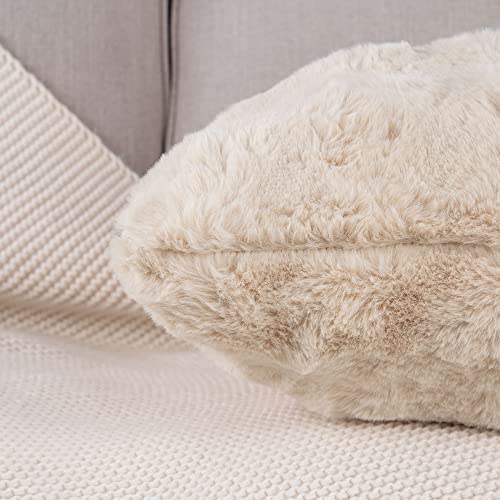
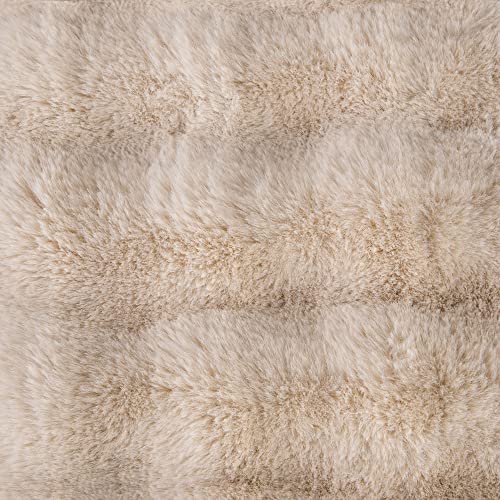
The first decision you must make is selecting the material that aligns with your lifestyle and the room's primary function. If you are decorating a high-traffic area like a family room sofa, look for heavier, more resilient fabrics such as woven cotton or linen blends. These materials hold their shape well and can withstand the daily friction of lounging. Conversely, if you are styling a formal sitting area or a bedroom, you might opt for softer, more delicate textures like velvet or faux silk. Velvet offers a luxurious sheen and a deep color saturation that can make a room feel instantly more sophisticated, but it requires more careful maintenance to prevent crushing or dust accumulation. Always consider the 'hand-feel' of the fabric. A quality cover should feel substantial, not thin or translucent.
Evaluate Zipper Quality and Construction
One of the most overlooked aspects of a pillow cover is the closure mechanism. A cheap, poorly placed zipper can ruin the aesthetic of an expensive pillow insert and make the cover difficult to slip on and off. Look for hidden or 'invisible' zippers that are sewn into the seam. This ensures that the hardware doesn't create a bulky protrusion or a visual distraction in the center of your pillow. Furthermore, check the stitching along the edges. High-quality covers will feature reinforced seams that prevent fraying, especially in corners where the tension of the pillow insert is highest. If the stitching looks loose or uneven, the cover will likely lose its shape after only a few uses.
Mastering Pattern Scale and Color Coordination
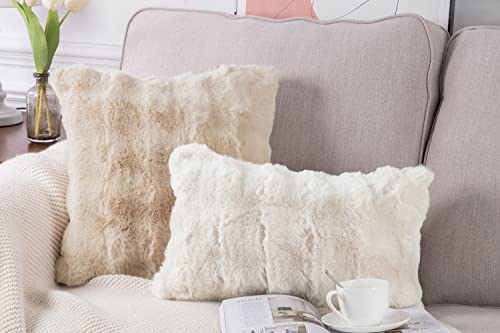
When selecting Madizz covers, avoid the mistake of choosing multiple pillows that all share the exact same pattern scale. If every pillow on your couch has a large, bold floral print, the space will feel chaotic and overwhelming. Instead, follow the rule of variety: pair one large-scale pattern (like a wide stripe or oversized botanical) with one medium-scale geometric and one solid-colored textured cover. This creates visual depth and allows the eye to rest. Regarding color, consider your base palette. If your sofa is a neutral grey or beige, you have the freedom to use the covers as your primary pop of color. If your room is already vibrant, opt for covers in complementary tones or subtle textures to add layers without clashing.
Sizing and Insert Compatibility
To achieve that professional, 'plump' look seen in interior design magazines, you should always buy an insert that is slightly larger than your cover. For example, if you are purchasing 18-inch covers, consider using 20-inch feather or down-alternative inserts. This fills out the corners completely and prevents the dreaded 'deflated' look that occurs when a cover is too loose for its filling. Be mindful of the difference between polyester fiberfill and down. Down inserts provide a more organic, slouchy shape that works beautifully with linen covers, while firm polyester inserts are better suited for structured, geometric designs.