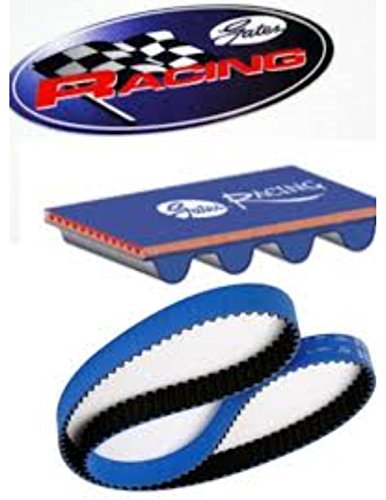
Evaluate Kit Completeness and Component Quality
When shopping for a timing belt kit, the first thing to scrutinize is what is actually inside the box. A 'bare-bones' kit might only include the belt itself, but this is a mistake for any serious mechanic. A professional-grade kit should include the timing belt, the primary tensioner, and all necessary idler pulleys. In many modern engine configurations, it is also highly recommended to look for kits that include the water pump. Because the water pump is often driven by the timing belt, replacing it at the same time as the belt saves you from the massive labor cost of tearing the engine down a second time just a year later. Look for components made from high-grade materials: the belt should be made of high-strength EPDM (Ethylene Propylene Diene Monomer) to resist cracking and heat, and the tensioners should feature robust internal spring mechanisms or hydraulic dampening that can withstand high-frequency vibrations.
Consider Engine Compatibility and Interference Risks
Timing belt kits are highly specific to engine architecture. You cannot simply choose a belt based on length. The tooth profile (pitch) must match your engine's gears exactly. Before purchasing, verify that the kit is specifically designed for your engine's displacement and valve train configuration. This is especially critical if you drive an interference engine. In these engines, the timing must be perfect. If the kit components are even slightly out of spec, the timing can jump, causing the pistons to strike the valves. When choosing between different kit brands, prioritize those that adhere to or exceed Original Equipment Manufacturer (OEM) specifications. The goal is to replicate the factory-installed reliability, ensuring the belt's tension remains consistent across varying ambient temperatures and engine loads.
Assess Installation Ease and Precision Features
A great timing belt kit can actually make a difficult job easier. Some premium kits include specialized alignment tools or locking pins that help you set the engine to Top Dead Center (TDC) more accurately. This precision is vital for preventing timing drift. Furthermore, pay attention to the quality of the seals and gaskets included in the kit if a water pump is part of the package. A kit that provides high-quality, pre-lubricated bearings in its pulleys will reduce the risk of installation errors. If a kit requires you to source extra hardware or specialized lubricants, it may not be the most efficient choice for a streamlined repair.
Long-Term Reliability vs. Initial Cost
It is tempting to opt for the most budget-friendly kit available, but with timing components, the 'buy once, cry once' philosophy is the smartest financial move. A cheap belt may save you fifty dollars today, but if it snaps at 50,000 miles instead of the expected 90,000, you will spend thousands on engine reconstruction. When weighing your options, look for kits that offer a clear mileage or year-based warranty. The best value is found in kits that strike a balance between premium EPDM rubber construction and a comprehensive list of included peripherals, ensuring that your entire timing system is refreshed in a single, cohesive service interval.