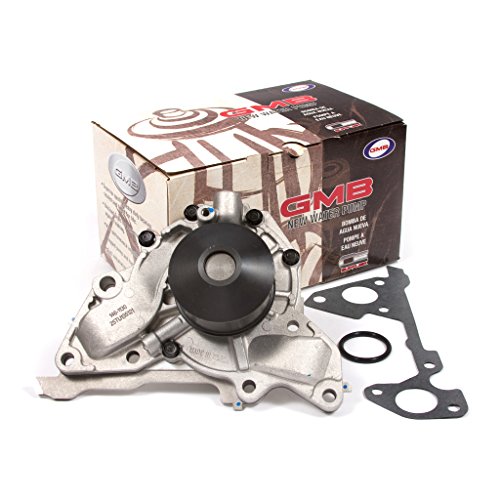
Comprehensive Kit Contents
The primary advantage of purchasing a kit rather than individual components is the assurance of compatibility and completeness. A high-quality domestic timing belt kit should go beyond just the belt itself. You should look for kits that include the tensioner, idler pulleys, and, most importantly, the necessary gaskets and seals. When an engine is opened to replace a belt, it is the ideal time to replace the water pump and front crankshaft seals. If a kit lacks these critical peripheral components, you may find yourself performing the entire labor-intensive job a second time just a few months later when a cheap seal begins to weep oil. Always verify that the kit includes all hardware required to restore the timing system to factory-spec tension and alignment.
Material Composition and Belt Construction
Not all belts are created equal. For domestic engines, which often prioritize torque and durability, look for belts constructed with high-strength EPDM (Ethylene Propylene Diene Monomer) rubber. EPDM is superior to older neoprene compounds because it offers better resistance to heat, cracking, and ozone degradation. Furthermore, examine the reinforcement structure. A premium belt will feature high-tensile cords—often aramid or fiberglass—that prevent the belt from stretching under high RPMs. Stretching is the enemy of precision. If the belt stretches, the engine's timing drifts, leading to poor fuel economy, rough idling, or even valve-to-piston contact.
Gasket Integrity and Sealing Quality
Since you are specifically looking at gasketed kits, the quality of the sealing materials is paramount. Domestic engines are prone to vibration, which can cause inferior gaskets to shift or fail. Look for kits that utilize multi-layer steel (MLS) or high-density composite materials for their gaskets. These materials provide a more consistent seal against the uneven surfaces of an engine block or cylinder head. A kit that includes high-quality valve cover gaskets and timing cover seals ensures that once the timing is set, the engine remains dry and free of oil leaks that could contaminate the new belt.
Brand Reputation and OE Specification Alignment
When selecting a kit, the logic should always favor 'Original Equipment (OE) Equivalent' or 'OE Remanufactured' standards. Domestic manufacturers have specific requirements for the tensioner spring rates and the tooth profile of the belt. A kit that claims to meet or exceed these specifications is safer than a generic budget alternative. While budget kits may save money upfront, the cost of a single failed tensioner or a leaking gasket far outweighs the initial savings. Prioritize brands that specialize in engine components and have a proven track record for longevity in high-heat environments.
Final Decision Logic
To make the best decision, weigh the 'Total Cost of Ownership' against the 'Purchase Price.' A mid-range kit that includes a high-quality water pump and all necessary gaskets is almost always a better value than a bottom-tier kit that only contains the belt. If your vehicle has high mileage, lean toward the most robust kit available, as older engine tolerances require the most reliable sealing and tensioning components to maintain performance.