Material Composition and Durability
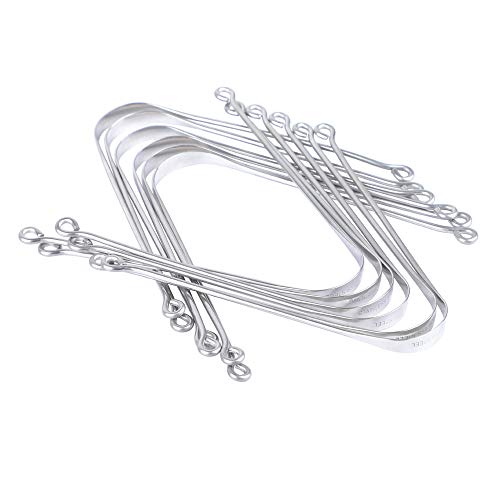
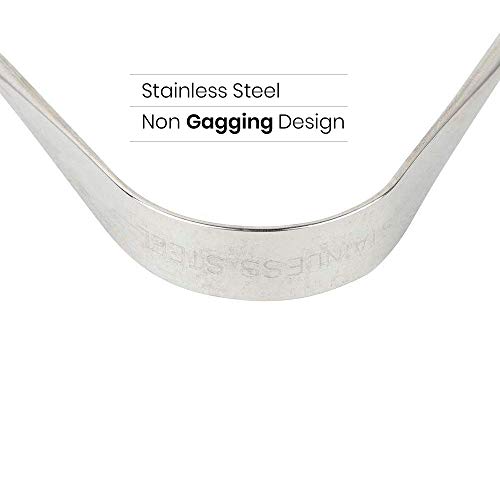
The first decision factor is the material of the cleaner. Most high-quality scrapers fall into two categories: medical-grade stainless steel or food-grade silicone/plastic. Stainless steel is the gold standard for longevity and hygiene. It is non-porous, meaning it won't harbor bacteria over time, and it can be sterilized easily with boiling water. However, it has a firmer feel on the tongue. Silicone scrapers offer a more flexible, cushioned experience, which is ideal for those with a sensitive gag reflex. While plastic options are lightweight and affordable, they tend to wear down faster and may develop micro-scratches that can trap bacteria, making stainless steel or high-density silicone the superior long-term investments.
Scraper Geometry and Surface Design
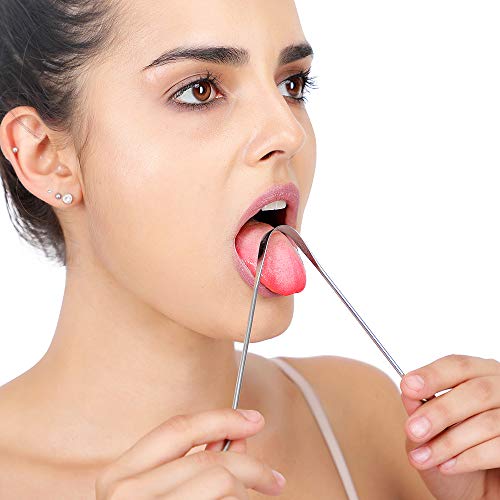
Not all scrapers are shaped the same, and the geometry of the tool dictates how effectively it clears the tongue. Look for a design that features a wide, ergonomic head. A wider head allows you to clean the entire surface area of the tongue in fewer strokes, reducing the time the tool is in your mouth. Some cleaners feature a 'U-shaped' profile with ridged edges, while others use a flat, slightly curved blade. Ridged edges are excellent for 'grabbing' thick biofilm, whereas a smooth, curved blade is better for a gentle, sweeping motion. If you struggle with a heavy coating, a scraper with textured or serrated edges can provide the extra mechanical action needed to lift stubborn buildup.
Ergonomics and Grip Control
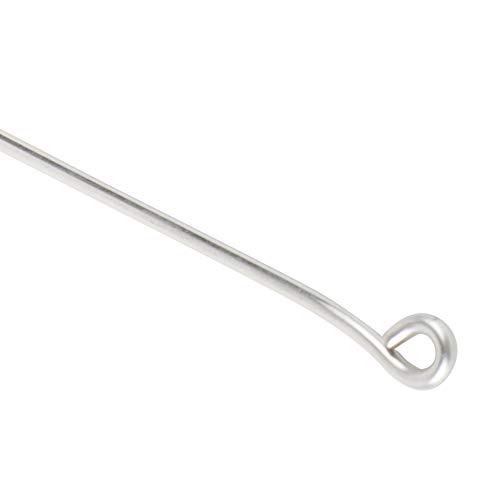
Since tongue scraping requires a steady, controlled motion to avoid slipping or causing discomfort, the handle design is critical. A tool that is too thin or slippery can be difficult to maneuver, especially when your hands are wet from morning routines. Look for handles with non-slip grips or a weighted balance. An ergonomic, contoured handle allows you to apply consistent, even pressure across the tongue without needing to squeeze too hard, which helps prevent fatigue and ensures a more thorough cleaning session.
Sensitivity and Gag Reflex Management
For many users, the primary barrier to consistent tongue cleaning is the gag reflex. If you are highly sensitive, avoid stiff, rigid metal scrapers that feel 'sharp' against the soft palate. Instead, opt for scrapers with rounded edges and a more flexible profile. A tool that can slightly bend with the natural contour of your tongue will feel much less intrusive. Additionally, consider the thickness of the scraper head. A thinner profile is often easier to navigate toward the back of the tongue without triggering a gag response.
Maintenance and Hygiene Standards
A tongue cleaner is only effective if it stays clean. When selecting a product, consider how easy it is to sanitize. Stainless steel tools are the easiest to maintain as they are virtually indestructible and can handle high-heat sterilization. If you choose a silicone or plastic model, ensure it is labeled as BPA-free and easy to rinse thoroughly under running water. Avoid tools with complex crevices or multiple moving parts, as these can become breeding grounds for the very bacteria you are trying to eliminate.