Material Composition and Bristle Texture
When evaluating a tongue cleaner, the first decision factor is the material used for the scraping surface. Most high-quality options fall into two camps: silicone or traditional nylon bristles. Silicone scrapers are increasingly popular due to their non-porous nature, which makes them more hygienic and easier to sanitize. They tend to be gentler on the delicate papillae of the tongue, making them ideal for users with sensitive mouths or those prone to gagging. On the other hand, bristled cleaners offer a more vigorous mechanical action that can reach deeper into the microscopic crevices of the tongue's surface. If your primary goal is deep cleaning a heavy coating, a firm bristle may be superior. If your goal is daily maintenance without irritation, silicone is the smarter investment.
Scraper Geometry and Ergonomics
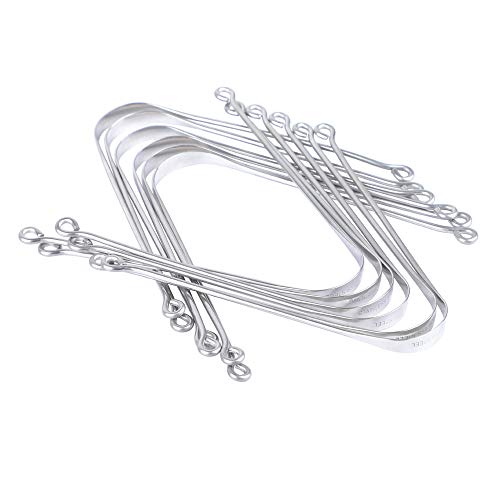
The physical shape of the brush head dictates how effectively you can navigate the back of the oral cavity. A flat, wide scraper is excellent for covering large surface areas quickly, but it can be difficult to maneuver around the sides of the tongue. Look for designs that feature a contoured or slightly curved head, which mimics the natural anatomy of the mouth. Furthermore, consider the handle ergonomics. A tongue brush should feel like an extension of your hand. A handle that is too thin may cause cramping during use, while one that is too bulky might trigger a gag reflex when you attempt to reach the posterior third of the tongue. A non-slip grip is a significant advantage, especially when the tool is wet.
The Gag Reflex Factor
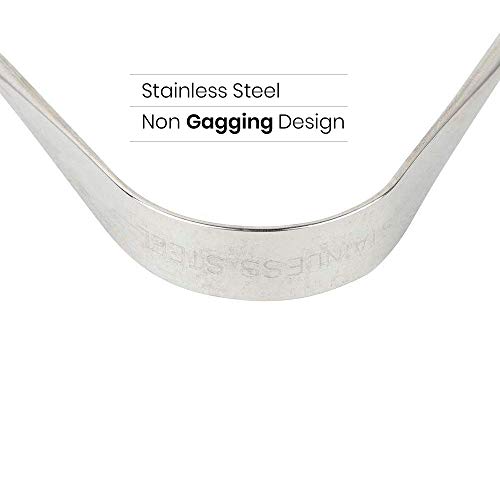
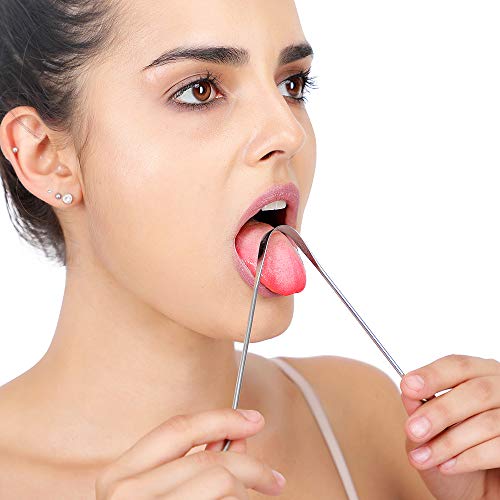
One of the most common barriers to consistent tongue cleaning is the involuntary gag reflex. To mitigate this, look for brushes that prioritize a low profile. A bulky brush head occupies too much space in the mouth, pressing against the soft palate and triggering a reaction. Slimmer, more streamlined designs allow for better control and deeper access with less physical intrusion. Some advanced designs also incorporate textured edges that help guide the tool along the tongue without making unnecessary contact with the throat area.
Durability and Hygiene Maintenance
Because tongue brushes are used in a high-bacteria environment, longevity and ease of cleaning are paramount. Avoid brushes with complex, multi-part assemblies where food particles can become trapped in crevices. A single-piece construction is the gold standard for hygiene. Additionally, consider the durability of the material. Silicone should be thick enough to resist tearing, while bristles should be densely packed to prevent shedding. If you are looking for a long-term solution, prioritize tools that are dishwasher-safe or can withstand high-temperature sanitization without degrading.
Summary of Recommendation Logic
To make your final selection, follow this logic: If you have a highly sensitive mouth or a strong gag reflex, prioritize a slim, medical-grade silicone scraper. If you struggle with persistent white coating and prefer a more aggressive clean, opt for a dense, fine-bristle nylon brush. Regardless of your choice, ensure the handle provides a secure grip to maintain precision during your oral care routine.