Material Composition and Durability
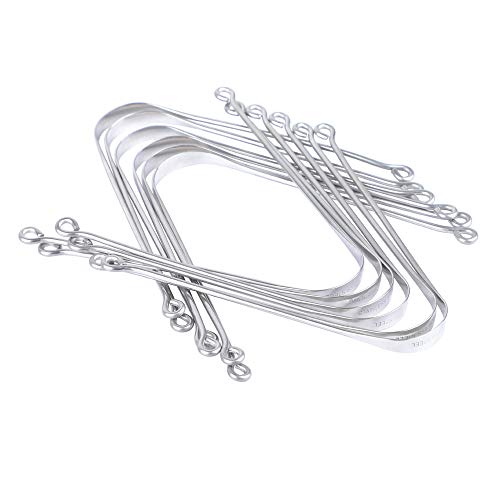
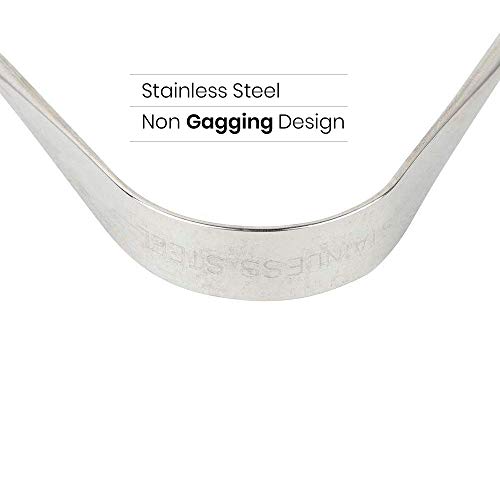
The first decision factor in selecting a high-quality tongue cleaner is the material. Most professional-grade cleaners fall into two camps: medical-grade stainless steel or high-density thermoplastic. Stainless steel is the gold standard for longevity and hygiene. It is non-porous, meaning it won't harbor bacteria over time, and it can be thoroughly sanitized with boiling water. If you prefer a softer tactile experience, high-quality plastic or silicone cleaners offer a bit more 'give,' which can be beneficial for those with a sensitive gag reflex. However, keep in mind that plastic models may require more frequent replacement to ensure the surface remains smooth and free of microscopic scratches that can trap bacteria.
Scraper Geometry and Edge Profile
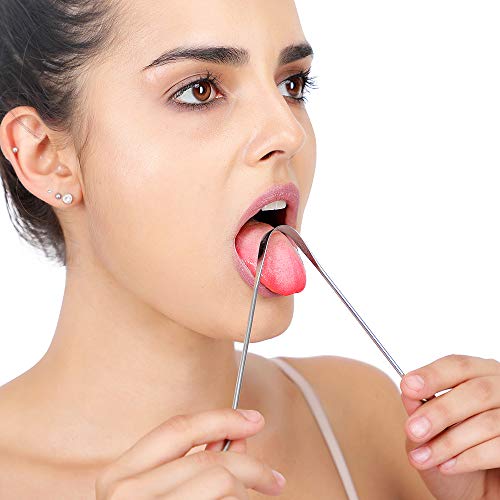
Not all scrapers are shaped the same, and the geometry of the cleaning head dictates how effectively it reaches the posterior (back) of the tongue. Look for a design that features a wide, slightly curved head. A wider head allows you to cover more surface area in fewer strokes, reducing the time the tool spends in your mouth. Pay close attention to the 'edge profile.' An effective cleaner should have a blunt, rounded edge. If the edge is too sharp, it can irritate the delicate papillae. If it is too dull, it will simply slide over the biofilm without lifting it. The ideal profile provides enough pressure to 'plow' through the buildup without causing micro-trauma to the tongue tissue.
Ergonomics and Grip Control
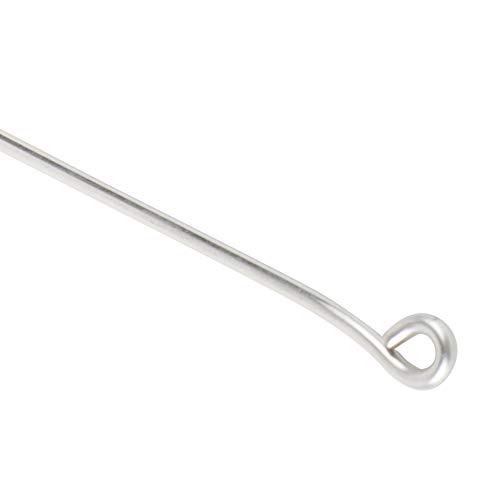
A common mistake in choosing oral tools is ignoring the handle. Tongue cleaning requires a steady hand and controlled pressure, especially when reaching toward the back of the mouth. A thin, slippery handle can lead to instability, increasing the risk of accidental slipping. Look for cleaners with ergonomic, non-slip grips or weighted handles that provide a sense of control. A handle that is contoured to fit the natural grip of your fingers will allow you to apply consistent, even pressure across the tongue's surface, which is essential for preventing the 'streaking' effect where some areas are cleaned more deeply than others.
Sensitivity and the Gag Reflex
For many users, the primary barrier to consistent tongue cleaning is the gag reflex. When shopping, consider the thickness of the scraper head. Thinner, more streamlined profiles tend to be less intrusive and are often easier for those with high sensitivity to manage. Furthermore, the length of the handle plays a role. A longer handle allows you to maintain more distance from the soft palate, providing a safer margin of error. If you are a beginner, starting with a tool that emphasizes a gentle, wide-surface approach is often more successful than jumping straight into a heavy-duty, narrow scraper.
Recommendation Logic
When making your final selection, use this logic: If your priority is lifetime value and maximum hygiene, prioritize a stainless steel model with a wide, blunt edge. If you struggle with oral sensitivity or a sensitive gag reflex, opt for a streamlined, lightweight plastic or silicone model that offers a more forgiving contact point. For those who want a professional, deep-clean feel, look for a weighted, ergonomic tool that allows for precise pressure application.