Material Durability and Hygiene
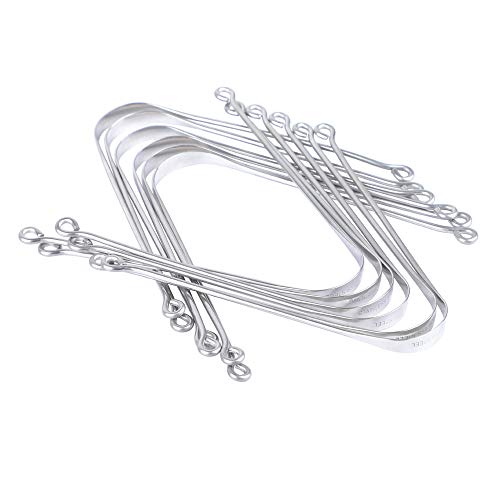
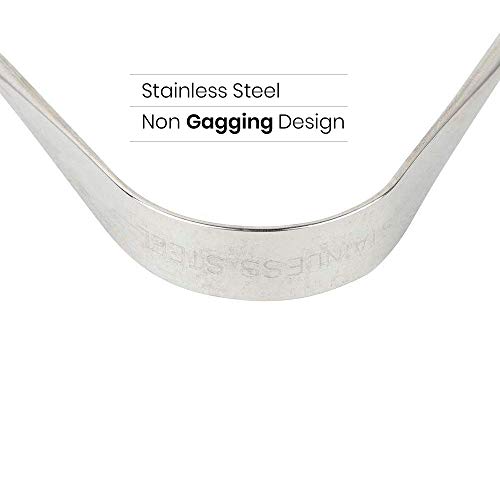
The first decision factor in selecting a high-quality tongue scraper is the material. You will generally find two categories: plastic and metal. Metal scrapers, typically crafted from stainless steel or copper, are the gold standard for long-term oral care. They are non-porous, meaning they do not harbor bacteria as easily as plastic, and they are incredibly durable, lasting for years without degrading. Copper, in particular, is celebrated for its natural antimicrobial properties, which can assist in keeping the tool itself clean. Plastic scrapers are often more affordable and lightweight, making them excellent for travel, but they tend to wear down over time and can develop microscopic scratches that trap bacteria. If you are looking for a lifetime investment in your oral health, prioritize medical-grade stainless steel.
Scraper Shape and Ergonomics
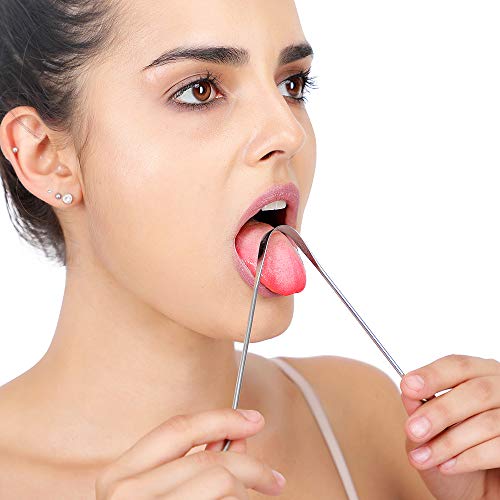
The geometry of the scraper dictates how effectively it reaches the posterior (back) of the tongue, where most odor-causing bacteria reside. Look for a design with a curved, ergonomic handle that provides a secure grip, even when your hands are wet. A scraper that is too thin may feel flimsy and lack the necessary leverage to lift thick biofilm, while one that is too bulky might trigger a strong gag reflex. The 'head' of the scraper should be wide enough to cover a significant surface area in a single stroke, reducing the number of passes required. Some models feature a U-shape for broad coverage, while others have a more streamlined profile for easier maneuvering in smaller mouths. Test or research the curvature to ensure it mimics the natural contour of your tongue.
Edge Profile and Sensitivity
One of the biggest fears regarding tongue scraping is the potential for irritation or micro-abrasions on the delicate tissue of the tongue. Therefore, the edge profile is a critical specification. You want a tool that has a slightly rounded, smooth edge rather than a sharp, thin blade. A well-designed scraper uses a gentle scraping action rather than a cutting action. If the edge is too aggressive, it can damage the taste buds. If it is too dull, it will simply slide over the debris without removing it. The ideal scraper provides enough tension to lift the coating while remaining soft enough to be used daily without causing discomfort.
Ease of Maintenance
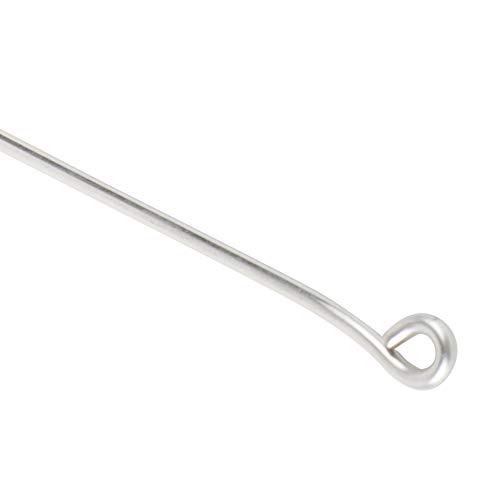
Because this tool lives in a moist environment, ease of cleaning is paramount. Avoid designs with complex hinges, crevices, or multi-part assemblies that can trap organic matter. A single-piece construction is always preferable. Ensure the material is dishwasher-safe or can be easily sanitized with boiling water or a gentle antiseptic rinse. A scraper that is difficult to clean quickly becomes a source of bacteria rather than a solution for it. When selecting your tool, aim for simplicity in design to ensure maximum sanitary efficiency.