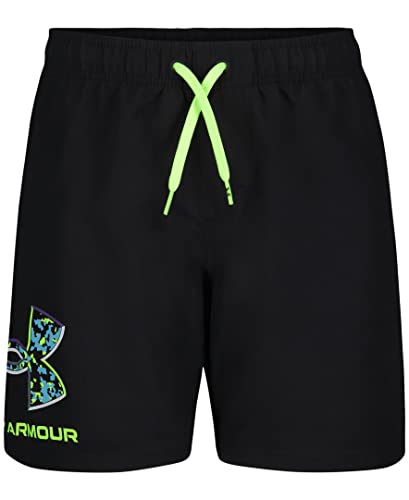
Prioritize Fabric Technology and Moisture Management
The hallmark of any premium Under Armour trunk is its ability to handle sweat. When browsing the category, look closely at the fabric composition. Most high-end options utilize a blend of synthetic fibers designed for rapid evaporation. You want to seek out technology that emphasizes 'wicking'—the ability to pull moisture away from your skin to the surface of the fabric where it can evaporate quickly. This prevents the heavy, soggy feeling that occurs with standard cotton underwear. If your primary use case is intense training, prioritize blends that offer enhanced breathability and quick-dry properties to maintain core temperature and skin health.
Understand the Fit: Compression vs. Relaxed
One of the most critical decision factors is the level of compression you require. Under Armour typically offers two distinct experiences. Compression trunks are designed to sit tight against the skin, providing muscle support and minimizing movement. This is ideal for running or sports where friction and bouncing are concerns. On the other hand, if you are looking for something for casual wear or recovery, look for styles that offer a more 'relaxed' or 'standard' fit. These provide the benefits of technical fabric without the restrictive sensation of a second skin. Always consider your activity level before choosing between a high-compression fit and a more ergonomic, standard cut.
Evaluate the Waistband and Construction
A common pain point with athletic trunks is a waistband that rolls, slides, or pinches. Under Armour generally utilizes wide, elasticated waistbands that are designed to stay secure during lateral movements. Look for designs where the waistband is integrated seamlessly into the garment to prevent irritation. Furthermore, pay attention to the seam construction. For high-movement activities, flatlock seams are a non-negotiable requirement. These seams lay flat against the body, significantly reducing the risk of chafing caused by repetitive motion. If you are prone to skin irritation during long workouts, avoid any trunks that feature bulky or raised stitching.
Consider Durability and Longevity
Since athletic trunks undergo frequent, heavy laundering and intense physical stress, durability is a key metric. Synthetic blends are generally more resistant to losing their shape than natural fibers, but you should look for reinforced stitching in high-stress areas like the crotch and leg openings. A high-quality pair of trunks should maintain its elasticity and 'snap-back' ability even after dozens of wash cycles. Investing in a pair that retains its compression level will save you money in the long run compared to cheaper alternatives that sag after a few months of use.
Decision Logic Summary
To make the final selection, follow this logic: If you are training for performance, go with high-compression, moisture-wicking synthetics with flatlock seams. If you are looking for daily comfort, opt for a standard fit with a focus on breathability and a soft-touch waistband. By matching the specific technical feature to your intended activity, you ensure that your underwear works with your body rather than against it.