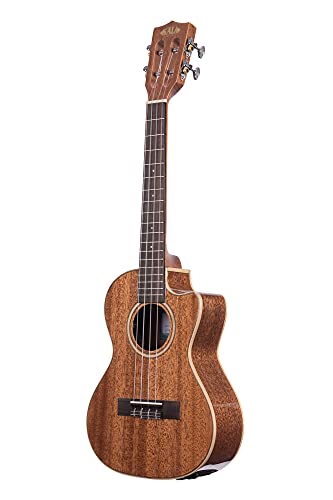
Understanding Ukulele Sizes and Scale Lengths
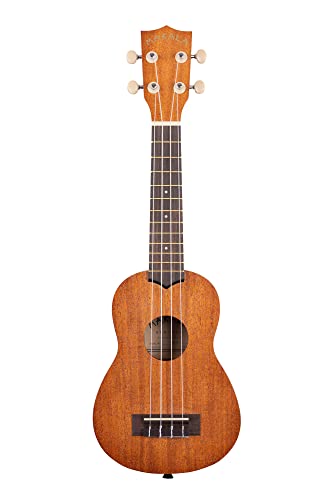
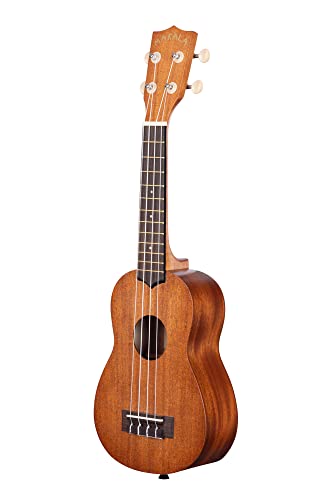
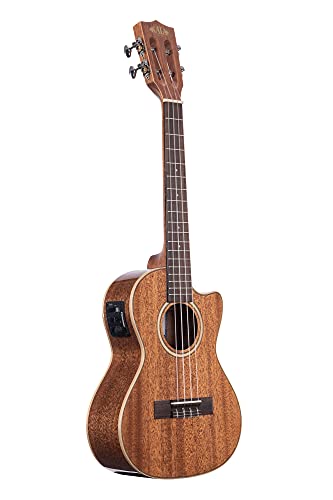
The most fundamental decision you will make is choosing the body size. Kala offers a spectrum of sizes, each dictating the instrument's volume, pitch, and playability. The Soprano is the classic choice. It is small, portable, and produces that iconic, bright 'island' sound. However, because the fretboard is shorter, it can feel cramped for those with larger hands. The Concert size is widely considered the 'sweet spot.' It offers a slightly larger body and longer scale length, providing more room for fingerwork and a fuller tone without becoming cumbersome. If you require even more projection and a deeper bass response, the Tenor is the professional's preference. Finally, the Baritone is a different beast entirely. It is tuned differently (closer to a guitar) and offers a rich, mellow resonance that sits beautifully in a band setting.
Wood Selection: Solid vs. Laminate
Kala utilizes various wood combinations to achieve different acoustic properties. You will often see a distinction between laminate and solid-top construction. Laminate ukuleles are made of layers of wood pressed together. While they lack the complex harmonic evolution of solid wood, they are incredibly durable, resistant to changes in humidity, and much more forgiving for travelers. This makes them an excellent entry-level choice. Solid-top ukuleles, on the other hand, feature a single piece of wood for the soundboard. As you play a solid-top instrument, the wood 'opens up,' meaning the tone actually improves over time. If you are looking for an instrument that will grow with you as a musician, investing in a solid-top model is a wise long-term move.
Tonal Profiles and Wood Species
The type of wood used for the back and sides will significantly influence your instrument's 'color.' Kala frequently uses Mahogany, which provides a warm, balanced, and woody tone that is perfect for folk and traditional styles. Koa, a wood native to Hawaii, is the premium choice. It offers a bright, complex, and highly responsive sound that is both beautiful to look at and listen to. For those seeking something punchier and more percussive, Spruce tops can provide a crisp, clear projection. When choosing, consider the genre you intend to play: a bright, rhythmic strumming style might benefit from Koa or Spruce, while a fingerstyle player might prefer the mellow warmth of Mahogany.
Key Features to Inspect
Beyond the wood, pay attention to the 'feel' of the instrument. Check the nut width and fret spacing. If you have larger fingers, a Concert or Tenor will be much more comfortable than a Soprano. Additionally, look at the fretwork. High-quality Kala models will have smooth, level frets that prevent buzzing. Finally, consider the hardware. High-quality geared tuners are essential for keeping your instrument in tune during long playing sessions. A well-built Kala should feel balanced in your lap and have a neck profile that feels natural to your grip.