Understanding Light Output and Lumens
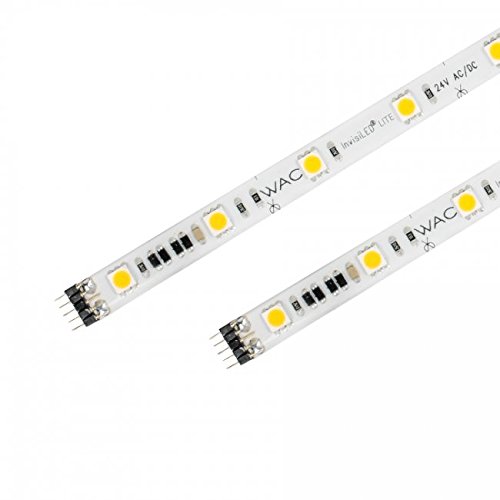
When shopping for under-cabinet fixtures, the most common mistake is focusing solely on aesthetics while ignoring the actual light output. For task-heavy areas like kitchen prep stations, you need a higher lumen count to ensure you can see fine details while chopping or reading recipes. WAC Lighting offers various intensities; for a standard kitchen, aim for fixtures that provide a bright, even wash. If the lighting is intended for a bar area or a decorative display cabinet, you can opt for lower-lumen options that prioritize mood over utility. Consider the 'throw' of the light—wider beam angles are better for general illumination, while more focused beams can highlight specific backsplash textures.
Color Temperature and CRI (Color Rendering Index)
The 'feel' of your kitchen is dictated by Kelvin (K) ratings. For most residential applications, a warm white (around 2700K to 3000K) creates an inviting, cozy atmosphere. However, if you have modern, cool-toned cabinetry or white marble, a neutral white (3500K to 4000K) may prevent the space from looking too yellow. Crucially, look for a high Color Rendering Index (CRI). WAC Lighting is known for high CRI ratings (typically 90+), which means colors—especially the hues of your food and countertop materials—will appear vibrant and true to life rather than washed out or gray.
Mounting Styles and Installation Constraints
The physical footprint of the fixture is a major decision factor. You will generally choose between surface-mounted fixtures, which sit directly against the underside of the cabinet, and recessed or 'puck' style lights that require drilling into the cabinet base. Surface-mounted linear fixtures are excellent for providing a continuous line of light that minimizes dark spots between units. If you have shallow cabinets or want a completely seamless look, recessed options are superior. Always measure the depth of your toe-kick or the clearance between your countertop and the cabinet bottom to ensure the fixture won't interfere with appliances or create glare at eye level.
Dimming and Control Integration
To achieve a truly professional look, your under-cabinet lights must be dimmable. This allows you to switch from 'work mode' during meal prep to 'ambient mode' during dinner parties. When selecting WAC fixtures, verify if they are compatible with your existing dimmer switches. Some high-end LED fixtures require specific ELV (Electronic Low Voltage) or MLV (Magnetic Low Voltage) dimmers to prevent flickering or buzzing. If you are planning a smart home integration, check if the specific fixture line supports wireless control or integrates with centralized lighting systems, allowing you to adjust brightness via voice or smartphone.
Efficiency and Longevity
Since under-cabinet lights are often left on for extended periods, energy efficiency is paramount. Integrated LED technology in WAC fixtures offers a significant advantage over older halogen models, providing much higher brightness with a fraction of the heat output. Lower heat dissipation is critical because excessive heat can damage the finish of your cabinetry or the adhesive used in your backsplash. Opting for high-quality LED drivers ensures that the light remains consistent over years of use without the rapid degradation often seen in budget-grade lighting solutions.