Understanding Safety Rating Standards
The most vital decision factor in safety footwear is the protection rating. Not all work boots are created equal, and selecting a boot that lacks the necessary certification for your environment can lead to injury. Most professional-grade footwear falls into two primary categories: impact protection and compression protection. If you work in environments where heavy objects are frequently handled or dropped, you must prioritize boots featuring reinforced toe caps. These are typically made of steel, composite, or carbon fiber. While steel offers the highest level of puncture resistance and impact protection, composite materials are often preferred by those working in extreme temperatures or those who need to pass through metal detectors frequently, as they are lighter and do not conduct heat or cold.
Prioritizing Ergonomics and Toe Box Volume
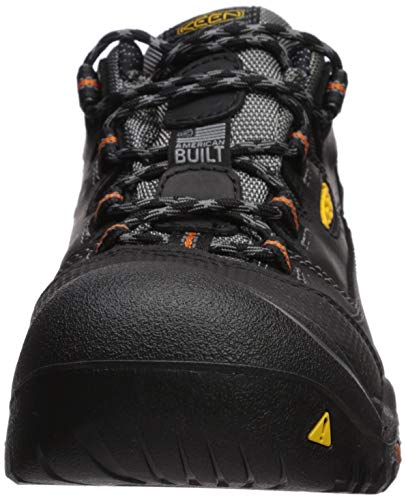
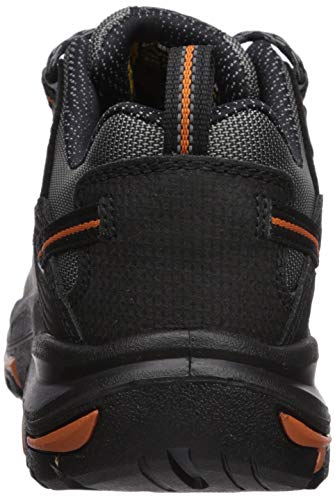
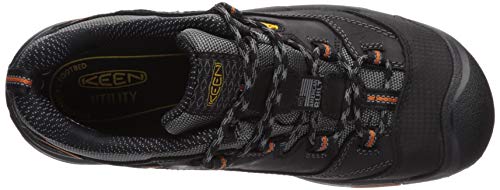
One of the standout features of this specific brand of utility footwear is the anatomical design. Traditional safety boots are often criticized for being narrow and cramped, which can lead to bunions, blisters, and circulation issues during a ten-hour shift. When shopping, look for models that emphasize a wide toe box. This allows your toes to splay naturally, which is essential for maintaining balance on uneven surfaces and reducing fatigue. If your job involves a lot of kneeling or squatting, pay close attention to the heel cushioning and the arch support. A boot that mimics the natural shape of the foot will significantly reduce the cumulative stress on your ankles and lower back.
Traction and Outsole Composition
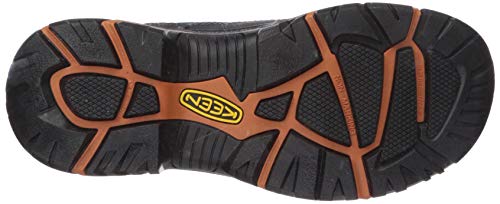
The environment beneath your feet dictates the required outsole technology. If you are working in a warehouse or a kitchen, you need slip-resistant soles designed to grip oily or wet surfaces. These outsoles often feature specialized tread patterns that channel liquids away from the contact point to prevent hydroplaning. Conversely, if your work is primarily outdoors on gravel, mud, or timber, you should look for deep, multidirectional lugs that provide mechanical grip. Furthermore, consider the durability of the rubber compound. A softer rubber might provide better grip but will wear down much faster on abrasive concrete surfaces.
Weatherproofing and Material Durability
Your choice of upper material—whether it be full-grain leather or high-performance synthetic textiles—will determine how well the boot handles the elements. For those working in wet, muddy, or snowy conditions, waterproof membranes are non-negotiable. These membranes allow moisture vapor (sweat) to escape while preventing external water from entering. If you work in high-heat environments, such as asphalt paving or foundry work, look for breathable materials that promote airflow to prevent overheating. For general heavy-duty use, full-grain leather remains the gold standard for abrasion resistance and longevity, as it can be conditioned to maintain its structural integrity over years of use.
The Decision Logic: Matching Boot to Task
To make the final selection, use this logic: First, identify your primary hazard (impact, puncture, or slip). Second, assess your environment (indoor/dry, indoor/wet, or outdoor/rugged). Third, consider your physical comfort needs (wide foot vs. narrow foot). A construction worker on a residential site needs a waterproof, heavy-tread boot with a composite toe, whereas a logistics professional in a distribution center would benefit more from a lightweight, slip-resistant, and highly breathable low-cut shoe.