Prioritize the Vitamin B Complex Profile
The 'B' in these supplements refers to a suite of essential nutrients, including B1 (Thiamin), B2 (Riboflavin), B3 (Niacin), B5 (Pantothenic Acid), B6 (Pyridoxine), and B12 (Cobalamin). When selecting a supplement, look for a formula that includes a broad spectrum of these vitamins rather than just one or two. B vitamins are crucial for converting food into cellular energy and supporting neurological function. If you are using these supplements specifically for fatigue management alongside immune support, ensure the B6 and B12 concentrations are robust, as these are the primary drivers of energy metabolism.
Evaluate the Vitamin C and Bioavailability
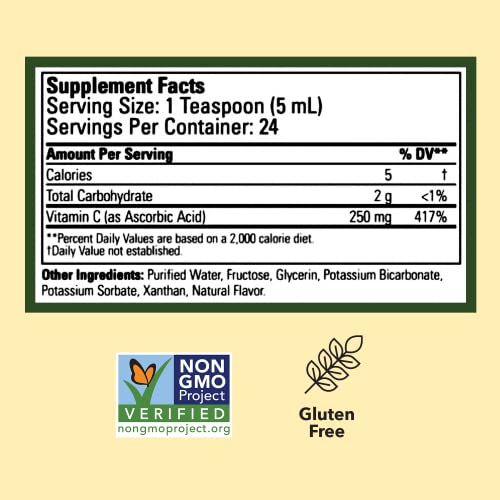
Vitamin C is the heavy hitter in these formulations. However, pay attention to the form of Vitamin C used. While ascorbic acid is standard, some premium formulations include buffered Vitamin C or acerola cherry extracts, which can be gentler on the stomach. Furthermore, because these are typically effervescent powders, the liquid delivery method significantly increases bioavailability. The rapid dissolution allows the nutrients to pass through the digestive system more efficiently than a standard compressed tablet, making them an excellent choice for when you need quick nutritional intervention.
Check for Electrolyte and Mineral Integration
A high-quality immune supplement should do more than just provide vitamins. It should support hydration. Many of the most effective formulas include electrolytes like potassium, magnesium, and sodium. This is particularly important if you are feeling run down due to dehydration or physical exertion. A supplement that combines Vitamin C and B-complex vitamins with a balanced electrolyte profile acts as a functional recovery drink, helping to stabilize your body's internal environment while the vitamins work on your immune response.
Beware of Hidden Sugars and Artificial Additives
Because these supplements are meant to be dissolved in water, manufacturers often use sweeteners to mask the natural tartness of the citric acid. Always scrutinize the ingredient list for high amounts of cane sugar or corn syrup. If you are monitoring your glycemic index, look for versions sweetened with stevia or monk fruit. Additionally, be wary of excessive artificial dyes (like Red 40 or Blue 1) which are often used to make the drink visually appealing but offer no nutritional value. A cleaner label with natural fruit flavors is always the superior choice for long-term wellness.
Consider Flavor and Solubility
Practicality matters. If a powder does not dissolve completely, it can leave a gritty residue at the bottom of the glass, which discourages regular use. Look for brands that boast 'instant solubility.' Additionally, since these are often consumed during times of discomfort, flavor profiles like ginger, lemon-lime, or raspberry can be more palatable than overly medicinal-tasting options. A supplement you actually enjoy drinking is one you are more likely to use consistently when it matters most.