One of the first decisions you must make when browsing this brand is whether you need a single-ingredient supplement or a complex blend. Piping Rock excels in both, but they serve very different purposes. Single-ingredient supplements (such as pure Vitamin D3 or Magnesium Citrate) are ideal if you have already had blood work done and know exactly what deficiency you are correcting. These allow for precise dosing without the risk of consuming excess nutrients you don't need. On the other hand, complex blends—like their various 'Daily Wellness' or 'Immune Support' formulas—are designed to provide synergistic effects, where multiple vitamins work together to enhance absorption or efficacy. If you are looking for general maintenance, go for a complex. If you are targeting a specific deficiency, stick to the single ingredient.
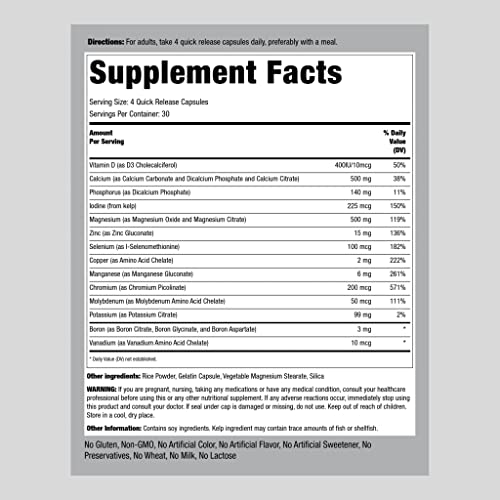
Not all vitamins are created equal, and the chemical form of the nutrient dictates how well your body can actually use it. When selecting a supplement from this category, look closely at the specific salt or compound listed. For example, in the magnesium category, you will see a difference between Magnesium Oxide and Magnesium Glycinate. The former is often cheaper but can cause digestive upset and is less absorbable, while the latter is much gentler on the stomach and more bioavailable. Similarly, when looking at B-vitamins, methylated forms (like Methylcobalamin for B12) are generally superior to synthetic versions because they bypass certain metabolic hurdles in the body. Always prioritize the form that offers the highest absorption rate for your specific digestive profile.
Check for Purity and Allergen Transparency
Since supplements are ingested daily, the 'inactive' ingredients are just as important as the active ones. A high-quality supplement should be free from unnecessary fillers, artificial colors, and harsh binders. When reviewing a product, check the 'Other Ingredients' section. If you have sensitivities, look for labels that specify being non-GMO, gluten-free, or soy-free. Piping Rock offers a wide variety of dietary formats, so if you struggle with swallowing large capsules, look for their tablet or powder alternatives. High-quality supplementation should feel clean. If a label is cluttered with synthetic dyes and complex chemical stabilizers, it may not be the best choice for long-term daily use.
Align Dosage with Your Lifestyle Goals
The final step in your decision-making process is matching the potency to your activity level and age. A high-potency antioxidant formula might be perfect for an athlete dealing with oxidative stress from intense training, but it might be overkill for someone with a sedentary lifestyle. Likewise, consider the serving size. Some products require multiple capsules to reach the stated dosage, which can be inconvenient and more expensive over time. Look for a balance where the dosage is therapeutic enough to make a difference but not so high that it approaches the tolerable upper intake level (UL) for your demographic. Always aim for consistency over sheer volume. The best supplement is the one you can actually stick to every single day.