Prioritize Midsole Cushioning and Energy Return
The most important component of a walking shoe is the midsole. Unlike running shoes, which require high-impact shock absorption for vertical landings, walking shoes need responsive cushioning that supports a rolling motion. Look for materials like EVA (Ethylene Vinyl Acetate) or specialized foam blends that offer a balance between softness and firmness. If the sole is too soft, your foot will feel unstable. If it is too hard, you will feel every pebble on the pavement. The ideal walking shoe provides enough compression to absorb the impact of your heel strike but enough rebound to assist your foot as it transitions to the toe-off phase.
Analyze Arch Support and Internal Geometry
Not all arches are created equal. When selecting your shoes, identify your foot type: flat feet (low arches), neutral arches, or high arches. For those with flat feet, look for stability or motion-control shoes that feature a firmer medial post to prevent overpronation (the inward rolling of the foot). For those with high arches, seek out maximalist cushioning to compensate for the lack of natural shock absorption. A well-designed walking shoe will have an anatomical footbed that contours to your arch, distributing pressure evenly across the entire plantar surface rather than concentrating it on specific pressure points.
Upper Material and Breathability
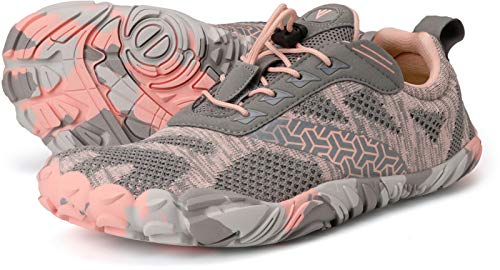
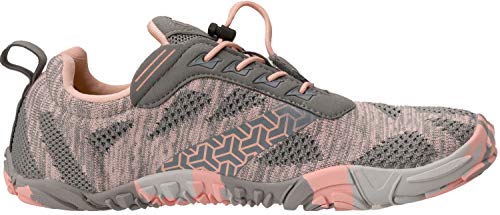
The upper part of the shoe determines how well your foot stays secure and how much heat is dissipated during use. Engineered mesh is the gold standard for walking shoes because it offers a lightweight structure and superior airflow, preventing moisture buildup and blisters. If you plan on walking in colder climates, a synthetic leather or water-resistant upper may be preferable, though these often sacrifice breathability. Ensure the toe box is wide enough to allow your toes to splay naturally. A cramped toe box is a primary cause of bunions and neuromas during long-distance walking.
Outsole Durability and Traction
The outsole is your primary contact point with the ground. For urban walkers, a rubber outsole with multi-directional tread patterns provides the necessary grip on slick sidewalks and uneven pavement. If your walking route includes gravel paths or light trails, look for deeper lugs that offer better traction. Additionally, consider the flexibility of the outsole. A walking shoe should be flexible at the forefoot to facilitate the natural roll of the foot, but it should remain rigid through the midfoot to provide structural integrity.
The Importance of the Heel Counter
A high-quality walking shoe will feature a firm heel counter—the internal structure surrounding your heel. This component is vital for stabilizing the rearfoot and preventing the heel from sliding side-to-side within the shoe. A secure heel lock ensures that your gait remains efficient and reduces the friction that leads to blisters. When trying on shoes, ensure your heel feels snug and supported without being restrictive.