Identify Your Design Theme
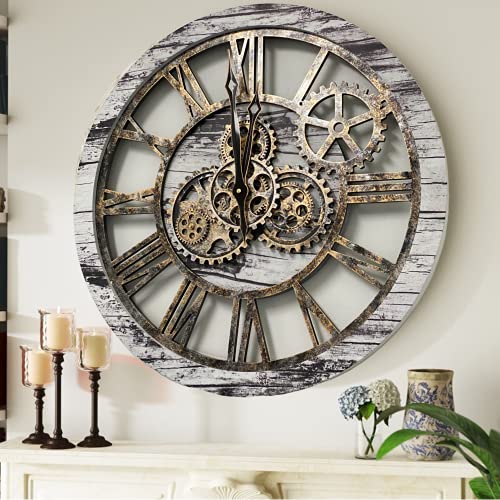
The most critical step in choosing an Allen Designs clock is identifying the stylistic 'soul' of your room. Unlike traditional manufacturers that produce subtle, neutral timepieces, this brand thrives on themed storytelling. If you are decorating a coastal-themed sunroom, look for ocean-inspired motifs such as sea life or nautical elements. For a more traditional or rustic setting, seek out wood-grain textures and earthy tones. Because these clocks are often sculptural, they act as much as decor as they do instruments of time. Before purchasing, visualize how the silhouette of the clock will interact with your existing furniture. A highly detailed, multi-dimensional clock works best as a standalone statement piece on a large, unobstructed wall, whereas simpler designs can blend more seamlessly into a gallery wall.
Consider Dimensionality and Scale
One of the defining characteristics of high-quality themed clocks is their three-dimensional depth. Many designs feature protruding elements—such as wings, fins, or decorative flourishes—that extend outward from the clock face. When selecting a piece, you must account for this physical footprint. A clock that looks manageable in a photograph might actually cast significant shadows or require extra clearance from nearby shelving. Additionally, scale is paramount. A small, intricate clock will get lost on a large accent wall, while an oversized sculptural piece may overwhelm a compact hallway. Measure your intended wall space and consider the 'visual weight' of the clock. Darker, more complex designs feel heavier and more commanding than lighter, more streamlined models.
Materiality and Durability
While the visual impact is the primary draw, the materials used dictate the longevity and maintenance of the clock. Most themed timepieces utilize high-quality resins or engineered woods that allow for intricate, lifelike detailing that traditional metal or glass cannot achieve. When evaluating a clock, consider the environment where it will live. A clock intended for a high-traffic area or a room with varying humidity (like a kitchen or entryway) should be inspected for finish quality to ensure the colors remain vibrant and the structure stays true. High-quality resin is excellent for capturing fine textures, but it requires a dust-free environment to maintain its pristine appearance.
Functionality and Movement Type
A clock that looks beautiful but runs poorly is a disappointment. When browsing, pay attention to the movement mechanism. Most modern wall clocks utilize quartz movement, which is prized for its accuracy and low maintenance. Some premium models may offer 'silent sweep' technology, which eliminates the rhythmic ticking sound—an essential feature if the clock is being placed in a bedroom, home office, or study where silence is required for focus or sleep. Furthermore, ensure the clock design allows for easy battery access. You do not want to have to take down a heavy, complex sculptural piece every time you need to change a battery.
Recommendation Logic
When making your final decision, use the following hierarchy: First, prioritize the Theme Match (does it fit the room's story?). Second, evaluate Scale (is it the right size for the wall?). And third, confirm Movement Type (is it silent or ticking?). If you are buying for a child, prioritize whimsical shapes and bright colors. If you are buying for an adult living space, prioritize sophisticated textures and silent movements to ensure the clock enhances the atmosphere rather than disrupting it.