Defining Your Aesthetic Direction
The primary strength of this category lies in its stylistic diversity. Before browsing, you must decide whether you want the mirror to be a subtle accent or a commanding focal point. If your interior design leans toward Bohemian or maximalist, look for mirrors featuring intricate metalwork, sunburst patterns, or distressed finishes that suggest a storied history. For those pursuing a more minimalist or mid-century modern aesthetic, prioritize mirrors with clean geometric lines, thin metallic frames, or simple wooden borders. A mirror should either complement the existing furniture or serve as the 'statement piece' that anchors a bare wall.
Materiality and Frame Construction
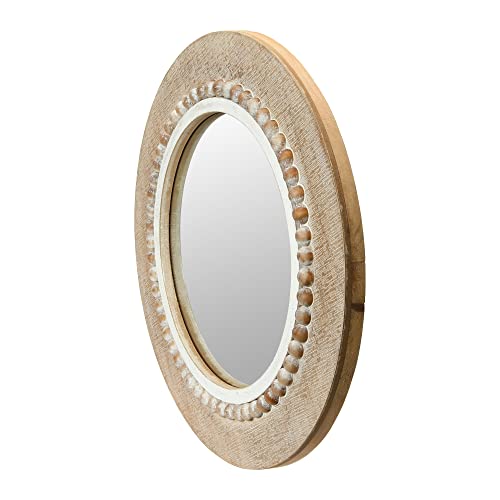
The frame is what distinguishes a standard mirror from a piece of art. Pay close attention to the materials used in the construction. Metal frames often provide a more structured, industrial, or glamorous feel, especially when finished in gold, brass, or antique bronze. Wood frames offer warmth and an organic touch, making them ideal for farmhouse or Scandinavian-inspired rooms. When evaluating quality, consider the weight of the frame. A heavier frame often indicates a more substantial build that will hang securely, though it may require more robust mounting hardware. Additionally, consider the texture—be it hammered metal, carved wood, or smooth lacquer—as this will dictate how the mirror catches ambient light.
Scale, Proportion, and Placement
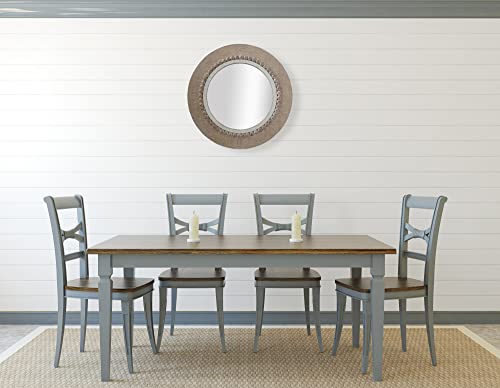
One of the most common mistakes in mirror selection is miscalculating scale. A mirror that is too small for a large wall can look lost and insignificant, while an oversized mirror in a cramped entryway can feel overwhelming. Use the 'rule of thirds' or consider the height of your furniture when planning placement. For instance, a mirror placed above a console table should generally be about two-thirds to three-quarters the width of the table to maintain visual balance. Furthermore, consider the viewing angle. A mirror intended for a hallway should be positioned at eye level to maximize utility, whereas a decorative mirror in a dining room might be placed higher to reflect light from a chandelier.
The Science of Light and Reflection
The ultimate purpose of a mirror is to manipulate light. If your goal is to brighten a dim corner, look for mirrors with larger surface areas and minimal framing to allow for maximum light bounce. If you are placing a mirror opposite a window, be mindful of 'glare zones'—you want to bounce light into the room, not create a blinding reflection of the sun. Additionally, check the clarity of the glass. High-quality mirrors should provide a crisp, distortion-free reflection. If you notice any waviness in the glass, it may indicate a thinner, lower-quality substrate that will detract from the premium feel of your decor.
Installation Considerations
Finally, always account for the mounting requirements. Creative Co-op designs vary significantly in weight due to their unique frames. Some may come with pre-installed sawtooth hangers, while others may require heavy-duty D-rings or even wall anchors. Before purchasing, check if the mirror is intended for vertical or horizontal orientation, as some decorative shapes are specifically designed for one direction only. Ensuring you have the correct hardware on hand will prevent damage to your walls and ensure your new centerpiece hangs perfectly level.