Material Composition: Peel-and-Stick vs. Traditional Paste
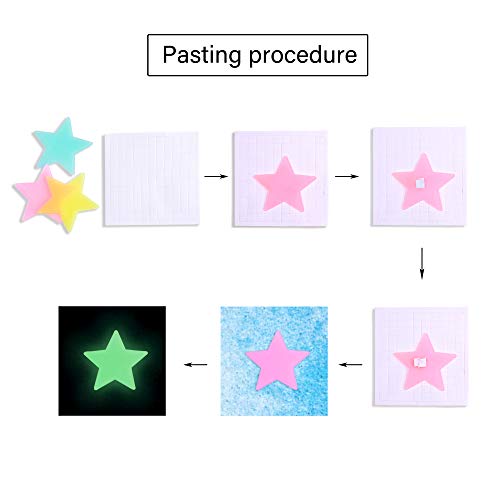
The most critical decision you will make is choosing between self-adhesive (peel-and-stick) vinyl and traditional non-woven fabric that requires wallpaper paste. Peel-and-stick murals are the gold standard for renters or those who enjoy frequent decor updates. They are essentially high-quality decals that allow for easy repositioning and removal without leaving sticky residue. However, they require a very smooth, primed wall surface to adhere correctly. If your walls have heavy texture, the adhesive may fail in certain spots. Traditional paste-on murals, often made of non-woven fabric, are generally more durable and better suited for high-traffic areas or rooms with slight wall imperfections. They offer a more seamless, 'integrated' look that feels like a permanent part of the architecture.
Resolution and Print Quality
Because murals are viewed from varying distances, the DPI (dots per inch) and the source image resolution are paramount. A low-resolution image might look fine on a small phone screen, but when scaled up to cover a six-foot wall, it will appear pixelated and blurry. When browsing, look for descriptions that emphasize high-definition printing and photographic-grade clarity. This is especially important for realistic landscapes or abstract designs with fine gradients. Poor print quality will result in 'banding'—visible lines where the colors transition—which ruins the illusion of depth.
Scale, Proportion, and Focal Points
A common mistake is selecting a mural that is too small for the wall, making it look like a misplaced poster rather than an intentional design element. Conversely, a mural that is too busy can overwhelm a small room. Consider the 'focal point' of your furniture. If you are placing a bed in front of the mural, ensure the most interesting part of the design (like a mountain peak or a floral cluster) isn't obscured by your headboard. For small rooms, opt for murals with 'atmospheric perspective'—images that feature receding horizons or misty backgrounds—as these create an illusion of expanded space. For large, cavernous rooms, bold, high-contrast geometric patterns can help ground the space and make it feel more intimate.
Surface Texture and Light Reflection
Don't overlook how your room's lighting will interact with the mural. Matte finishes are generally preferred for murals because they diffuse light, preventing harsh glares from windows or overhead lamps that can obscure the design. A glossy finish might look striking in a dark hallway, but in a sun-drenched living room, the reflections can make the image difficult to view from certain angles. Additionally, consider the texture of the material. Some fabric-based murals have a subtle linen-like weave that adds a premium, tactile feel to the room, elevating the mural from a simple print to a sophisticated design feature.