Understanding Frame Profiles and Depth
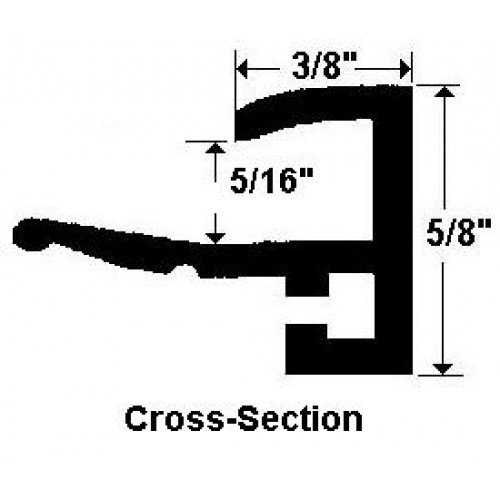
The defining characteristic of a quadro frame is its profile. When shopping, you must decide between a flat profile and a shadow-box or deep-set profile. A flat profile offers a contemporary, sleek look that sits flush against the wall, making it ideal for minimalist or Scandinavian-inspired interiors. However, if you are framing textured art, such as canvas paintings or heavy watercolor paper, a deep-set quadro frame is essential. This depth prevents the glass from pressing against the artwork, which can cause damage over time due to moisture or pressure. Pay close attention to the 'lip' of the frame—the part that holds the art in place—to ensure it doesn't obscure too much of your visual content.
The Role of the Mat Board
A high-quality quadro frame is rarely used without a mat. The mat serves two purposes: it provides a visual buffer between the art and the frame, and it prevents the artwork from touching the glass, which is vital for long-term preservation. When selecting frames, look for 'acid-free' or 'archival quality' matting. Acidic materials can cause yellowing or discoloration of your prints over several years. For a classic look, opt for a wide white or off-white mat that creates a generous border. For a more modern, avant-garde aesthetic, consider a 'floated' look where the art is mounted on top of a mat rather than behind it, creating a subtle shadow effect that adds dimension to the wall.
The material of your frame dictates both its durability and its stylistic tone. Real wood frames, such as oak, walnut, or ash, offer organic textures and a sense of warmth that is difficult to replicate. These are best for traditional or rustic settings. Metal frames, typically aluminum, provide a sharp, industrial edge that works perfectly in modern lofts or professional offices. If you are on a budget or need lightweight frames for large-scale installations, high-grade synthetic resins can mimic the look of wood or metal while offering superior moisture resistance, making them a smart choice for humid environments or high-traffic areas.
Glass and Glazing Options
Don't overlook the glazing. Standard glass is heavy and prone to shattering, but it is cost-effective. If you are placing your frames in a room with significant natural light, such as a sunroom or a room with large windows, investing in anti-reflective or UV-protective glass is non-negotiable. UV protection prevents your photos and art from fading, while anti-reflective coatings eliminate the distracting glare that can make a beautiful piece of art impossible to see from certain angles. While acrylic is a lighter, shatterproof alternative, ensure it is of high quality to avoid the 'scratched' look that cheap plastics often acquire over time.
Cohesion in Gallery Walls
If your goal is to build a gallery wall using multiple quadro frames, you have two strategic paths: uniformity or intentional eclecticism. Uniformity involves selecting the exact same frame color, width, and matting for every piece, which creates a sense of calm and order. Intentional eclecticism involves mixing different frame widths or materials while maintaining a common thread, such as using the same color matting across different frame styles. This approach feels more collected and lived-in, but it requires a more discerning eye to ensure the collection doesn't feel cluttered.